



Dear Esther vs Dream
Side-by-side comparison of features, pricing, ratings, and alternatives.
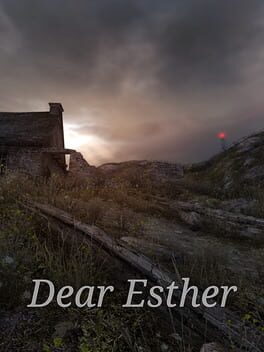
Dear Esther immerses you in a remote, windswept island where a disembodied voice recites fragments of a letter to a woman named Esther. The game abandons traditional mechanics, focusing instead on atmospheric exploration and a haunting soundtrack that guides the emotional journey. As you wander cliffs, tunnels, and beaches, the story of love, loss, and guilt unfolds through poetic narration, making each walk a unique, introspective experience.
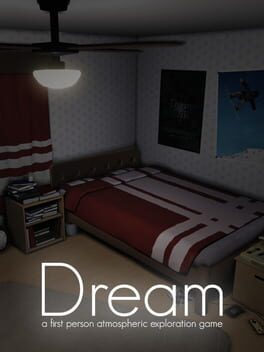
Dream puts you in the shoes of Howard Phillips, a directionless graduate obsessed with his own dreams. The game blends exploration, puzzle‑solving, and horror as you wander through surreal environments inspired by titles like Yume Nikki and LSD. Inspired by narrative‑heavy experiences such as Dear Esther and Deus Ex, Dream offers non‑linear storytelling, atmospheric moments, and challenging puzzles that reveal deeper meanings about Howard's life. Single‑player adventure for PC.
- Deeply immersive atmosphere
- Beautifully composed soundtrack
- Thought‑provoking narrative
- Cross‑platform availability
- Rich, atmospheric dream environments
- Deep, non‑linear storytelling
- Challenging and varied puzzles
- Strong indie aesthetic and design
- No traditional gameplay may deter some players
- Linear progression can feel passive
- Limited replay value after story is known
- Limited replayability after story completion
- Occasional cryptic puzzles may frustrate some players
- No multiplayer or co‑op options
More alternatives & similar tools
Alternatives to Dear Esther
View all →

Alternatives to Dream
View all →
Navigate deadly nightmares and relationship drama in this thrilling puzzle-platformer.


A terrifying first‑person horror puzzle adventure that haunts your mind.
The Verdict
AI-generated from listing dataDream delivers atmospheric puzzles and a non‑linear story for $14.99, while Dear Esther offers a pure, linear narrative walk with no puzzles.
Key differences
- •Dream includes over 30 varied puzzles; Dear Esther has none.
- •Dream’s story is non‑linear and choice‑driven; Dear Esther’s narrative is linear and triggered by landmarks.
- •Dream is priced at $14.99; Dear Esther’s price is not specified.
- •Dream targets PEGI 16 players; Dear Esther is PEGI 12.
- •Dream focuses on horror‑themed ambience; Dear Esther emphasizes poetic, desolate atmosphere.
Gameplay & fun factor
Dream provides puzzles and branching exploration; Dear Esther offers only passive exploration.
Platform availability
Both are single‑player PC titles; no platform differences are listed.
Price & value
Dream’s price is known ($14.99); Dear Esther’s price is not specified, making Dream the clearer value.
Multiplayer / co‑op
Both are single‑player only.
Content & replayability
Dream offers non‑linear paths and puzzles, giving slightly more replay potential than Dear Esther’s linear story.
Difficulty & accessibility
Dear Esther has no puzzles, making it easier for players seeking low difficulty; Dream has cryptic puzzles that may frustrate.
Graphics & performance
Both describe high‑fidelity or atmospheric visuals; no comparative performance data provided.
Choose Dear Esther if…
Players who prefer a pure, passive narrative experience.
Choose Dream if…
Players who want interactive puzzles and a branching story.
Common questions
Which game has puzzles?
Dream includes over 30 distinct puzzles; Dear Esther has none.
What is the price of each game?
Dream costs $14.99; Dear Esther’s price is not specified in the provided data.
Are either game suitable for younger players?
Dear Esther is rated PEGI 12, while Dream is rated PEGI 16.