



Contrast vs Dream
Side-by-side comparison of features, pricing, ratings, and alternatives.
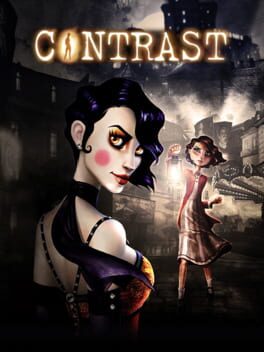
The game blends narrative storytelling with innovative mechanics, letting you manipulate light sources to stretch, enlarge, or contract the shadow world and solve intricate puzzles. Its atmospheric soundtrack and striking visual contrast create an immersive experience that rewards curiosity and clever thinking.
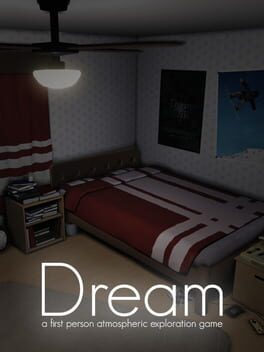
Dream puts you in the shoes of Howard Phillips, a directionless graduate obsessed with his own dreams. The game blends exploration, puzzle‑solving, and horror as you wander through surreal environments inspired by titles like Yume Nikki and LSD. Inspired by narrative‑heavy experiences such as Dear Esther and Deus Ex, Dream offers non‑linear storytelling, atmospheric moments, and challenging puzzles that reveal deeper meanings about Howard's life. Single‑player adventure for PC.
- Innovative 2D/3D switching mechanic
- Strong atmospheric art and music
- Engaging narrative tied to puzzles
- Well‑designed single‑player experience
- Rich, atmospheric dream environments
- Deep, non‑linear storytelling
- Challenging and varied puzzles
- Strong indie aesthetic and design
- Some puzzles can feel obtuse
- Occasional camera issues in 3D sections
- Limited replay value after story completion
- Limited replayability after story completion
- Occasional cryptic puzzles may frustrate some players
- No multiplayer or co‑op options
More alternatives & similar tools
Alternatives to Contrast
View all →
Build triangular platforms to solve mind‑bending puzzles in a mystical world.
Explore an impossible mind-bending world of non-Euclidean puzzles and psychological exploration.
Alternatives to Dream
View all →
Navigate deadly nightmares and relationship drama in this thrilling puzzle-platformer.
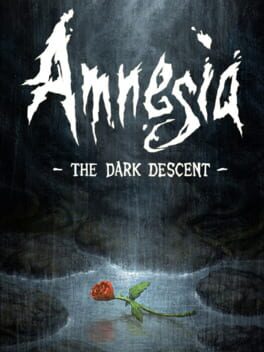
A terrifying first‑person horror puzzle adventure that haunts your mind.
The Verdict
AI-generated from listing dataDream offers a cheaper, atmospheric indie puzzle adventure with strong narrative, while Contrast provides a unique 2D/3D mechanic and richer audiovisual style at a higher price.
Key differences
- •Dream costs $14.99 vs. Contrast $19.99.
- •Contrast features a toggleable 3D/2D world; Dream stays in a single dreamscape style.
- •Contrast includes a period‑accurate jazz soundtrack and hand‑drawn silhouettes; Dream emphasizes ambient sound design.
- •Contrast lists a critic score (57/100); Dream provides no critic score.
- •Both are single‑player only, but Dream’s puzzles are described as more varied and challenging.
Pricing & value
Dream is $14.99, $5 cheaper than Contrast's $19.99, offering better price‑to‑content ratio.
Gameplay & fun factor
Contrast’s innovative 2D/3D switching adds a novel puzzle layer absent in Dream.
Multiplayer / co‑op
Both are single‑player only.
Content & replayability
Both note limited replay value after story completion.
Difficulty & accessibility
Dream mentions occasional cryptic puzzles but no specific accessibility features; Contrast notes some obtuse puzzles and camera issues.
Graphics & performance
Contrast combines hand‑drawn 2D silhouettes with detailed 3D models; Dream’s graphics are described only as atmospheric.
Platform availability
Not specified for either product.
Choose Contrast if…
Buyers who value a unique 2D/3D puzzle system and stylized audio‑visual presentation, and are willing to pay more.
Choose Dream if…
Buyers who want a cheaper, story‑rich indie puzzle with strong atmosphere and don’t need novel mechanics.
Common questions
Which game is cheaper?
Dream costs $14.99; Contrast costs $19.99.
Do either of the games support multiplayer?
Both are single‑player only.
Is there a notable gameplay mechanic that sets one apart?
Contrast lets you toggle between 3D environments and 2D shadows, a feature Dream does not have.