



Dear Esther vs The Vanishing of Ethan Carter
Side-by-side comparison of features, pricing, ratings, and alternatives.
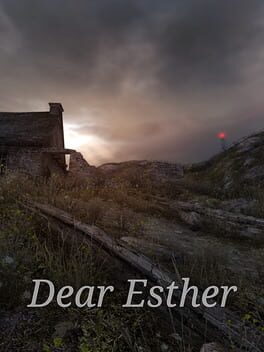

Dear Esther immerses you in a remote, windswept island where a disembodied voice recites fragments of a letter to a woman named Esther. The game abandons traditional mechanics, focusing instead on atmospheric exploration and a haunting soundtrack that guides the emotional journey. As you wander cliffs, tunnels, and beaches, the story of love, loss, and guilt unfolds through poetic narration, making each walk a unique, introspective experience.
Play as occult detective Paul Prospero, who receives a desperate letter from 12‑year‑old Ethan Carter and travels to the eerie Red Creek Valley in 1973. As you explore the atmospheric wilderness, you must piece together clues, solve environmental puzzles, and confront supernatural phenomena to discover what happened to the missing boy. The game blends first‑person exploration with a deep narrative, offering a richly detailed world filled with hidden secrets, tragic murders, and paranormal events. Its indie‑crafted design emphasizes story, mood, and intricate puzzle‑solving rather than combat, delivering a memorable thriller experience for solo players.
- Deeply immersive atmosphere
- Beautifully composed soundtrack
- Thought‑provoking narrative
- Cross‑platform availability
- Stunning visual design and atmospheric world
- Deep, non‑linear narrative that encourages exploration
- Innovative supernatural detective mechanics
- Rich environmental puzzles without combat
- No traditional gameplay may deter some players
- Linear progression can feel passive
- Limited replay value after story is known
- Limited combat may disappoint action‑oriented players
- Some puzzles can be obscure and require trial‑and‑error
- Story pacing is slow for those seeking fast action
More alternatives & similar tools
Alternatives to Dear Esther
View all →


Alternatives to The Vanishing of Ethan Carter
View all →


A dark, cinematic point‑and‑click mystery set in New Orleans

Unravel a gothic murder mystery in a classic point‑and‑click adventure
The Verdict
AI-generated from listing dataThe Vanishing of Ethan Carter adds puzzle‑solving and detective mechanics to its atmospheric story, while Dear Esther offers a pure, walk‑through narrative experience.
Key differences
- •Ethan Carter includes environmental puzzles and supernatural detective abilities; Dear Esther has none.
- •Ethan Carter is rated M/PEGI 18, Dear Esther PEGI 12, reflecting differing content maturity.
- •Critic scores differ: 82/100 for Ethan Carter vs 72/100 for Dear Esther.
- •Ethan Carter’s story is non‑linear and exploration‑driven; Dear Esther follows a more linear, scripted progression.
- •Price is known for Ethan Carter ($19.99); Dear Esther’s price is not specified.
Gameplay & fun factor
Ethan Carter offers puzzles and detective powers, providing interactive challenges beyond pure exploration.
Platform availability
No platform information is provided for either title.
Price & value
Ethan Carter costs $19.99; Dear Esther's price is not specified, preventing a direct comparison.
Multiplayer / co‑op
Both games are single‑player only.
Content & replayability
Ethan Carter’s non‑linear narrative and puzzles encourage multiple playthroughs; Dear Esther is largely linear.
Difficulty & accessibility
Dear Esther has no puzzles, making it more accessible; Ethan Carter’s obscure puzzles raise difficulty.
Graphics & performance
Both feature dynamic lighting, weather effects, and fully rendered 3D environments; no clear superiority is stated.
Choose Dear Esther if…
Players who prefer a pure, passive, atmospheric story walk without gameplay challenges.
Choose The Vanishing of Ethan Carter if…
Players who enjoy narrative adventure with puzzles, detective mechanics, and mature themes.
Common questions
Which game has puzzles?
The Vanishing of Ethan Carter includes environmental puzzles; Dear Esther has none.
What is the age rating?
Ethan Carter is ESRB M / PEGI 18; Dear Esther is PEGI 12.
How do the critic scores compare?
Ethan Carter received 82/100, while Dear Esther received 72/100.