



Amnesia: The Dark Descent vs Dream
Side-by-side comparison of features, pricing, ratings, and alternatives.
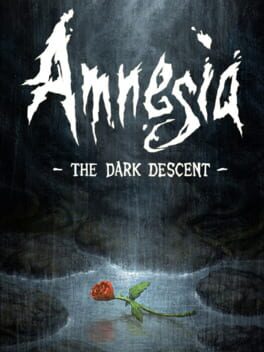
In Amnesia: The Dark Descent, players awaken in a foreboding castle with no memory of how they arrived. The game forces you to explore dark corridors, solve intricate puzzles, and confront nightmarish creatures while managing a sanity meter that reacts to the horrors around you. The experience is built around atmospheric storytelling, immersive sound design, and a relentless sense of dread, delivering a single‑player journey that redefined survival horror when it launched in 2010.
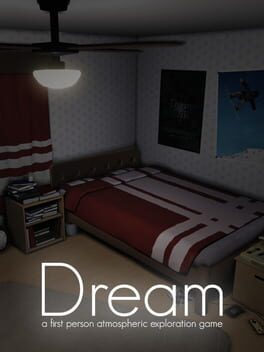
Dream puts you in the shoes of Howard Phillips, a directionless graduate obsessed with his own dreams. The game blends exploration, puzzle‑solving, and horror as you wander through surreal environments inspired by titles like Yume Nikki and LSD. Inspired by narrative‑heavy experiences such as Dear Esther and Deus Ex, Dream offers non‑linear storytelling, atmospheric moments, and challenging puzzles that reveal deeper meanings about Howard's life. Single‑player adventure for PC.
- Deep atmospheric immersion
- Innovative sanity mechanic
- Engaging environmental puzzles
- Strong narrative without combat
- Rich, atmospheric dream environments
- Deep, non‑linear storytelling
- Challenging and varied puzzles
- Strong indie aesthetic and design
- Limited replayability after story completion
- No combat may deter action‑focused players
- Occasional performance issues on older hardware
- Limited replayability after story completion
- Occasional cryptic puzzles may frustrate some players
- No multiplayer or co‑op options
More alternatives & similar tools
Alternatives to Amnesia: The Dark Descent
View all →
Alternatives to Dream
View all →
Navigate deadly nightmares and relationship drama in this thrilling puzzle-platformer.
A terrifying first‑person horror puzzle adventure that haunts your mind.
The Verdict
AI-generated from listing dataBoth are atmospheric single‑player indie horror puzzles, but Amnesia offers a tighter, classic sanity‑driven horror experience at a higher price, while Dream provides a cheaper, more narrative‑focused, non‑linear dream world.
Key differences
- •Amnesia uses a sanity mechanic and binaural audio for tension; Dream relies on shifting dreamscapes and non‑linear story.
- •Price: Amnesia $19.99 vs Dream $14.99.
- •Puzzle count: Dream advertises over 30 distinct puzzles; Amnesia’s puzzle count not specified.
- •Release date: Amnesia (2010) is older, potentially less optimized; Dream (2015) is newer.
- •Critical reception: Amnesia has a documented critic score (89/100); Dream has no critic score listed.
Pricing & value
Dream costs $14.99, $5 cheaper than Amnesia’s $19.99, offering better price‑to‑content ratio.
Gameplay & fun factor
Amnesia’s sanity system, lantern management, and binaural audio create a uniquely tense horror experience.
Multiplayer / co‑op
Both are single‑player only; no multiplayer options for either.
Content & replayability
Both list limited replayability after story completion; no clear advantage for either.
Difficulty & accessibility
Dream’s puzzles are described as varied but may include cryptic sections; Amnesia’s sanity mechanic can be stressful for sensitive players.
Graphics & performance
Amnesia notes occasional performance issues on older hardware; Dream has no such issues reported.
Choose Amnesia: The Dark Descent if…
Players who crave classic, high‑tension horror with innovative sanity mechanics.
Choose Dream if…
Players who prefer a cheaper, story‑driven, non‑linear puzzle adventure.
Common questions
Which game is cheaper?
Dream costs $14.99, while Amnesia costs $19.99.
Do either games have multiplayer?
No, both are single‑player experiences.
Which game has a higher critic rating?
Amnesia has a documented critic score of 89/100; Dream’s critic score is not specified.