



Microsoft Flight Simulator 3.0 vs Microsoft Flight Simulator 5.0
Side-by-side comparison of features, pricing, ratings, and alternatives.
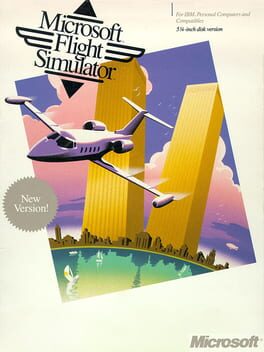
Microsoft Flight Simulator 3.0 builds on the legacy of its predecessors by adding a variety of new aircraft, expanded airport selections, and additional global locations. The game delivers a richer flying experience while retaining the single‑player focus that fans love. Developed by subLOGIC and published by Microsoft in 1988, this version offers improved graphics and more realistic flight physics, making it a timeless choice for aviation enthusiasts seeking a deeper simulation.
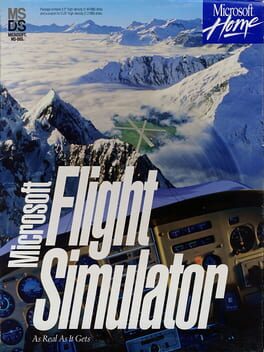
Microsoft Flight Simulator 5.0 is the fifth installment of the iconic series, released for DOS in late 1993. It introduced SVGA graphics, texture mapping in select areas, and sound card support, bringing a more immersive experience to PC pilots. The release added two new flight regions—Paris and Munich—expanding the world for single‑player exploration. As the final DOS‑only version, it remains a nostalgic benchmark for flight simulation enthusiasts.
- Wide variety of new aircraft
- Expanded airport selection
- Improved visual detail for its era
- Accurate flight physics
- SVGA graphics were cutting‑edge for its time.
- Adds new European regions for expanded exploration.
- Sound card support enhances immersion.
- Runs on low‑spec hardware and modern DOS emulators.
- Limited to single‑player only
- Outdated graphics by modern standards
- Runs only on older PC hardware
- Limited to single‑player mode.
- Graphics and textures are dated by modern standards.
- Runs only on DOS; no native support for current OSes.
More alternatives & similar tools
Alternatives to Microsoft Flight Simulator 3.0
View all →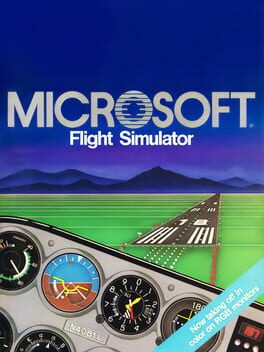
A pioneering 1984 flight sim with expanded hardware support and deeper realism.
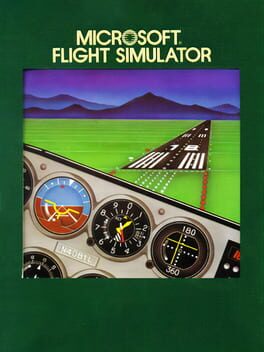
Classic 1982 flight sim meeting FAA standards with full instrument control.
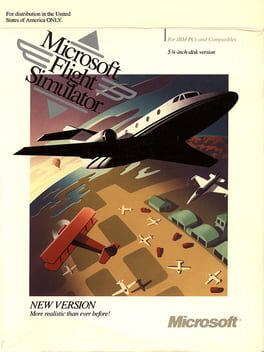
Classic DOS flight sim with SVGA graphics and new European scenery.
Alternatives to Microsoft Flight Simulator 5.0
View all →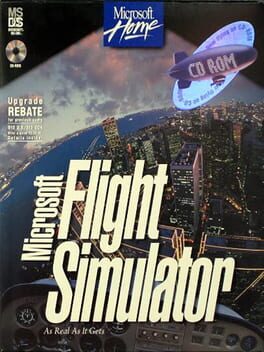
Experience realistic flight with satellite scenery and dynamic weather on classic DOS.
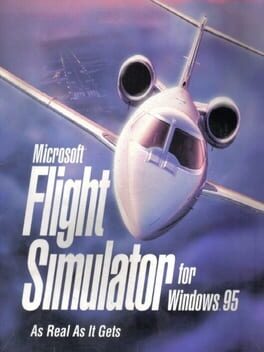
Fly the skies on Windows 95 with realistic planes and photo‑realistic satellite views.
The Verdict
AI-generated from listing dataBoth are single‑player classic flight sims; Flight Simulator 5.0 offers newer SVGA graphics and European scenery, while 3.0 is cheaper but older.
Key differences
- •Graphics: 5.0 supports SVGA (up to 800x600) and texture‑mapped terrain; 3.0 has only upgraded graphics for its era.
- •Content geography: 5.0 adds detailed Paris and Munich regions; 3.0 adds a broader set of airports and generic locations.
- •Release era: 3.0 released 1988 on early PCs; 5.0 released 1993 on DOS with later hardware support.
- •Price info: 3.0 lists MSRP $49.99; 5.0 price not specified.
- •Developer: 3.0 by subLOGIC; 5.0 by The Bruce Artwick Organization.
Gameplay & fun factor
5.0 adds texture‑mapped terrain and European landmarks, offering more varied visual immersion.
Platform availability
3.0 runs on older PC hardware; 5.0 requires DOS, limiting native OS support.
Price & value
3.0 has a clear MSRP of $49.99; 5.0 price not provided, making cost comparison uncertain.
Multiplayer / co-op
Both are single‑player only.
Content & replayability
5.0 includes specific European scenery (Paris, Munich) plus SVGA modes, expanding replay options.
Difficulty & accessibility
3.0 runs on low‑spec hardware, making it easier to launch on legacy machines.
Graphics & performance
5.0’s SVGA (800x600) and texture mapping outclass 3.0’s era‑appropriate graphics.
Choose Microsoft Flight Simulator 3.0 if…
Buyers with very old PCs or who need a known price and simple setup.
Choose Microsoft Flight Simulator 5.0 if…
Buyers wanting better visuals, European scenery, and can run DOS or emulators.
Common questions
Which version is cheaper?
3.0 lists an MSRP of $49.99; 5.0 price is not specified.
Can I run these on a modern Windows PC?
3.0 runs on older PC hardware; 5.0 requires DOS, so you’d need a DOS emulator on modern OSes.
Do either of them support multiplayer?
Both are single‑player only.