Discover, compare, and save the best web development alternatives.
Showing 44 tools
Gatsby is an open‑source framework that lets developers build blazing‑fast websites and apps using React, GraphQL, and modern web technologies. It compiles source files into static assets that can be deployed to any web host, delivering optimal performance and SEO out of the box. With a rich plugin ecosystem and seamless integration with headless CMSs and CI/CD platforms, Gatsby empowers agencies and developers to create scalable, secure, and highly maintainable web experiences while keeping the development workflow familiar and efficient.
✦ Best for experienced react developers
Nuxt is a powerful open‑source framework built on Vue.js that simplifies the development of server‑rendered, statically generated, and progressive web applications. It provides conventions and defaults that let developers focus on features rather than configuration. With built‑in routing, automatic code splitting, and seamless integration with modern tooling like Webpack and Babel, Nuxt enables fast, SEO‑friendly sites that run anywhere on the web, while remaining fully extensible for complex projects.
✦ Best for vue developers building seo‑friendly universal or static apps
Grav is a modern, open‑source flat‑file content management system that delivers speed and simplicity without a database. It uses a powerful file‑based architecture, making it easy to install, version control, and deploy on any web server. Designed for developers and designers, Grav offers a modular plugin system and extensive theming options, allowing you to build highly customized sites for small businesses, portfolios, and more while staying completely free and self‑hosted.
✦ Best for tech-savvy developers
Caddy is an open‑source web server written in Go that simplifies the deployment of web services. It automatically obtains and renews TLS certificates from Let’s Encrypt, letting you serve sites securely with zero manual configuration. Designed for developers and sysadmins, Caddy runs on Windows, macOS, Linux and any platform that supports Go, making it a versatile choice for both development and production environments.
✦ Best for developers needing zero‑config https and simple load balancing
Next.js is an open-source development framework that enables you to build server-side rendered, statically generated, and performance-optimized React applications. It provides a set of built-in features, such as internationalized routing, API routes, and built-in CSS support, to help you build fast, scalable, and maintainable applications.
✦ Best for large-scale react projects and teams
Handsontable is ideal for developers who want to add a spreadsheet-like interface to their web applications. It is highly customizable and can be easily integrated into existing projects. The library is also well-documented, making it easy to get started and find help when needed.
✦ Best for developers seeking customizable spreadsheet interfaces.
oh-my-openagent is an open-source development framework that simplifies the creation, deployment, and management of OpenAgent-powered applications. It provides a modular architecture, clear documentation, and ready-to-use integrations, enabling developers to focus on business logic rather than infrastructure. Designed for self‑hosted environments, the platform runs in any web browser and can be extended with custom plugins. Its free licensing model makes it ideal for teams looking to experiment with automation without vendor lock‑in.
✦ Best for dev teams building openagent workflows who need self‑hosted control
Jekyll is an open‑source static site generator written in Ruby that transforms plain text files into full‑featured websites and blogs. It uses Markdown and Liquid templates to let developers focus on content while handling the build process automatically. Ideal for developers, writers, and anyone who wants fast, secure sites without a database, Jekyll integrates seamlessly with GitHub Pages for free hosting and supports a rich plugin ecosystem for extended functionality.
✦ Best for developers or bloggers comfortable coding with ruby, markdown, and github pages
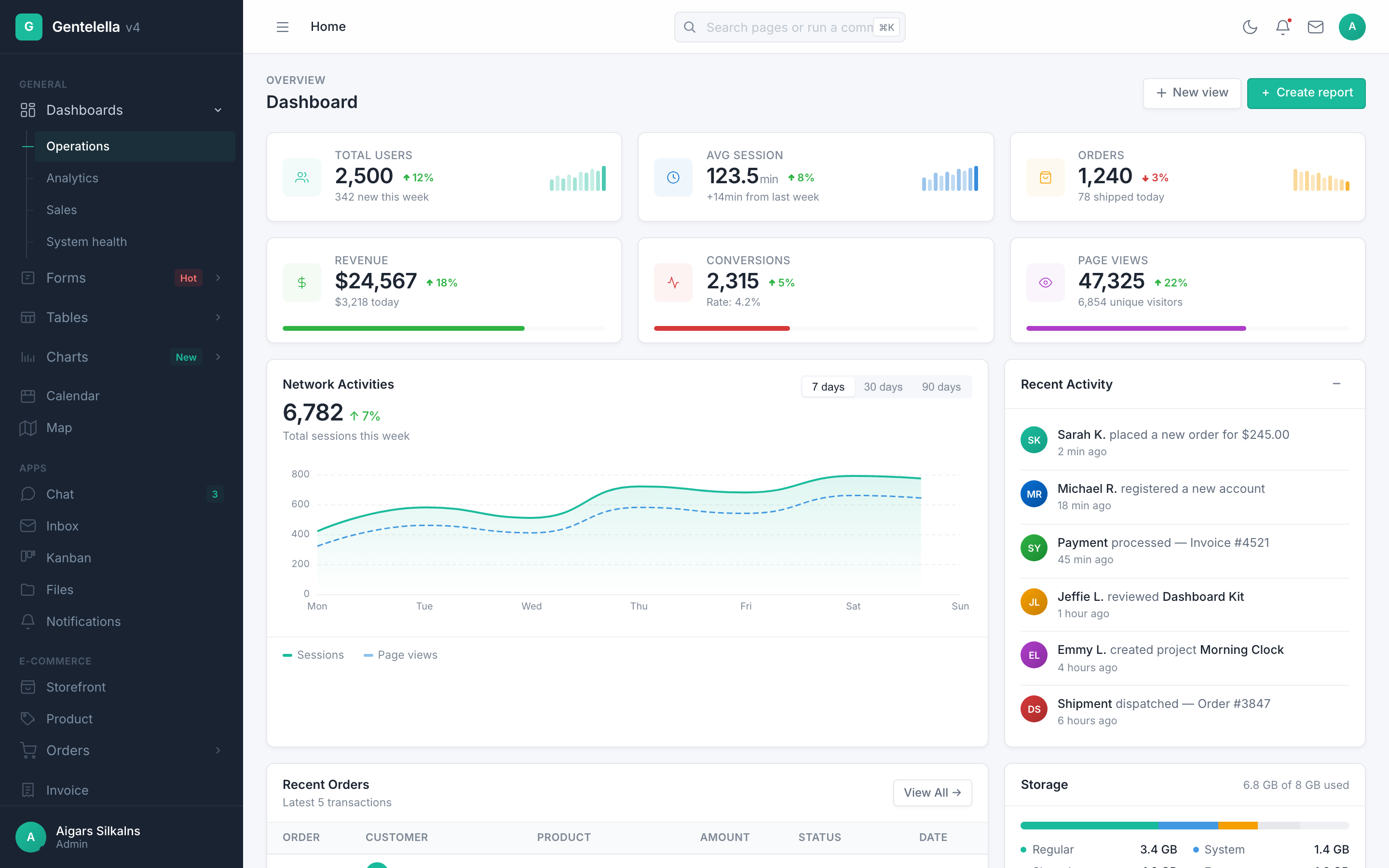
Gentelella is a free Bootstrap 5 admin dashboard template designed to help developers create visually appealing and user-friendly admin panels. It features a clean and modern design, with a focus on simplicity and ease of use. The template is highly customizable, allowing developers to tailor it to their specific needs and requirements.
✦ Best for small to medium-sized web applications
Scrapy is a Python framework for building web scrapers. It provides a flexible and efficient way to extract data from websites and handle common web scraping tasks. Scrapy is designed to be fast and scalable, making it suitable for large-scale web scraping projects.
✦ Best for experienced python developers and data scientists
CakePHP is an open-source web framework for PHP. It provides an extensible architecture for developing, maintaining, and deploying applications. Using commonly known design patterns like MVC and ORM within the context of PHP, CakePHP reduces development time and helps developers write less code.
✦ Best for experienced web developers and agencies
Zola is a modern static site generator that combines speed, simplicity, and powerful templating. Built with Rust, it compiles sites in milliseconds and offers native support for Markdown, Sass, and multiple templating engines. Designed for developers and web designers, Zola provides a zero‑configuration workflow, live-reload preview, and easy deployment to any self‑hosted environment. Its extensible architecture lets you integrate Tera, Handlebars, and Sass seamlessly.
✦ Best for developers needing ultra‑fast builds with rust‑based configs