



Morita Shogi 64 vs Saikyou Habu Shogi
Side-by-side comparison of features, pricing, ratings, and alternatives.
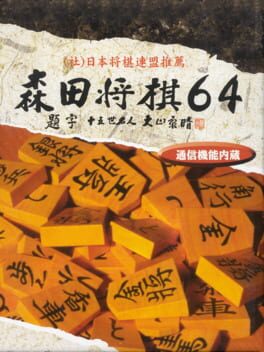
Morita Shogi 64 brings the traditional Japanese board game of shogi to the Nintendo 64, offering both single‑player challenges and competitive multiplayer. Released exclusively in Japan in 1998, it builds on its predecessor Saikyō Habu Shōgi with enhanced features and a built‑in RJ‑42 modem for online matches. The cartridge’s modem port allowed players to connect to nationwide servers, making it one of the earliest console games to support online play. With split‑screen options and AI opponents, the game caters to both casual learners and seasoned shogi masters.
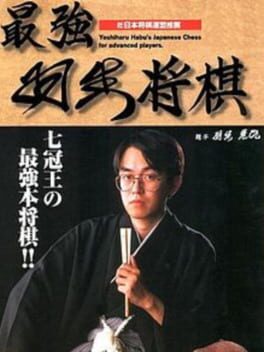
Saikyou Habu Shogi brings the traditional Japanese board game of shogi to the console world, offering authentic rules and strategic depth. Originally a launch title for the Nintendo 64, it showcases the early 3D capabilities of the system while staying true to the classic gameplay. Developed and published by SETA, the game provides a single-player mode where players can challenge the computer AI at various difficulty levels. Its release on June 23, 1996, marks it as a historic entry in the shogi video game genre.
- Pioneering online play for a console board game.
- Authentic Japanese shogi experience.
- Both single‑player and multiplayer modes.
- Historical value for retro collectors.
- Faithful shogi rule set
- Varied AI difficulty
- Historical significance as a launch title
- Simple single-player focus
- Japan‑only release limits accessibility.
- Online servers are now defunct.
- Only available on Nintendo 64 hardware.
- Limited to single-player only
- Outdated graphics by modern standards
- Only available on legacy hardware
More alternatives & similar tools
Alternatives to Morita Shogi 64
View all →
Alternatives to Saikyou Habu Shogi
View all →
The Verdict
AI-generated from listing dataBoth are retro N64 shogi titles, but Saikyou Habu Shogi is a single‑player only launch classic, while Morita Shogi 64 adds split‑screen and pioneering online multiplayer.
Key differences
- •Multiplayer: Saikyou Habu Shogi is single‑player only; Morita Shogi 64 offers split‑screen and online play.
- •Release date: Saikyou Habu Shogi launched in 1996 as an N64 launch title; Morita Shogi 64 arrived later in 1998.
- •Online capability: Only Morita Shogi 64 includes a built‑in RJ‑42 modem for online matches (now defunct).
- •Language/interface: Morita Shogi 64 provides a full Japanese interface and notation; Saikyou Habu Shogi’s language details not specified.
- •Historical significance: Saikyou Habu Shogi is a launch title, giving it early‑N64 prominence; Morita Shogi 64 is notable for early console online play.
Gameplay & fun factor
Both implement authentic shogi rules with AI difficulty options; core gameplay experience is comparable.
Platform availability
Each runs only on original Nintendo 64 hardware; no modern ports for either.
Price & value
Both are paid one‑time purchases; no price differences provided.
Multiplayer / co‑op
Morita Shogi 64 supports split‑screen and online multiplayer; Saikyou Habu Shogi is single‑player only.
Content & replayability
Morita Shogi 64 adds tutorial mode and multiplayer, extending replay value beyond Saikyou Habu Shogi's solo focus.
Difficulty & accessibility
Both offer adjustable AI difficulty; tutorial only mentioned for Morita Shogi 64, but not enough to break tie.
Graphics & performance
Both use retro N64 graphics; Saikyou Habu Shogi notes “retro 3D graphics,” Morita Shogi 64 no specific claim.
Choose Morita Shogi 64 if…
Buyers who want multiplayer options (local or online) and extra tutorial content on N64.
Choose Saikyou Habu Shogi if…
Buyers who want a pure, historically significant single‑player shogi experience on N64.
Common questions
Can I play either game on modern consoles or PC?
No; both are only available on original Nintendo 64 hardware.
Is online play still possible in Morita Shogi 64?
Online servers are now defunct, so online multiplayer is no longer functional.
Do both games support AI opponents with difficulty settings?
Yes; each includes AI opponents with adjustable difficulty levels.