



Microsoft Flight Simulator 2000 vs Microsoft Flight Simulator for Windows 95
Side-by-side comparison of features, pricing, ratings, and alternatives.
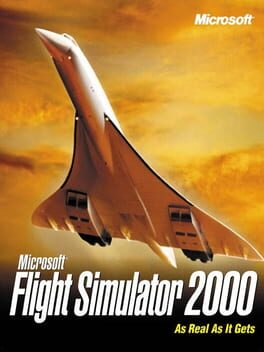
Microsoft Flight Simulator 2000 brings the globe to your desktop with detailed terrain, realistic flight dynamics, and a vast selection of aircraft. Built by ACES Game Studio, it offers both solo and multiplayer flying, letting you explore airports worldwide or share the skies with friends.
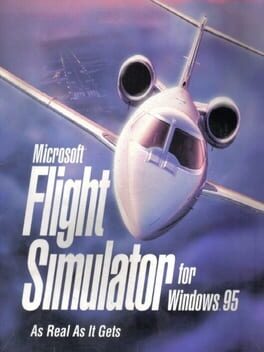
Microsoft Flight Simulator for Windows 95 brings the classic flight simulation experience to the Windows 9x platform, introducing two new aircraft—the Boeing 737-400 and the Extra 300S. The game features a virtual pilot instruction system and a multimedia flight school to help newcomers learn the basics of aviation. Leveraging photo‑realistic satellite imaging, the simulator offers a more immersive world view than previous releases, while remaining a single‑player experience optimized for PC hardware of the mid‑1990s.
- Extensive global scenery for its time
- Realistic flight dynamics
- Multiplayer capability
- Wide variety of aircraft
- Two brand‑new aircraft with detailed cockpits
- Comprehensive virtual pilot instruction
- Photo‑realistic satellite imagery for its time
- Optimized for Windows 95/98 systems
- High system requirements for 1999 hardware
- Limited graphics compared to modern sims
- Steep learning curve for beginners
- Limited to single‑player mode
- Graphics are dated by modern standards
- Requires a compatible Windows 9x environment or emulator
More alternatives & similar tools
Alternatives to Microsoft Flight Simulator 2000
View all →
Fly the skies of a century of aviation history in stunning realism.
Experience the world from the cockpit with stunning realism and global flight missions
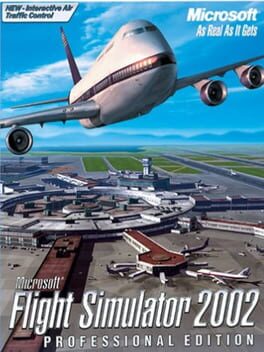
Fly the world with unparalleled realism on your PC
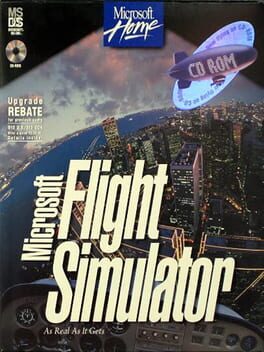
Experience realistic flight with satellite scenery and dynamic weather on classic DOS.
Alternatives to Microsoft Flight Simulator for Windows 95
View all →Experience realistic flight with satellite scenery and dynamic weather on classic DOS.
Experience the world from the cockpit with stunning realism and global flight missions
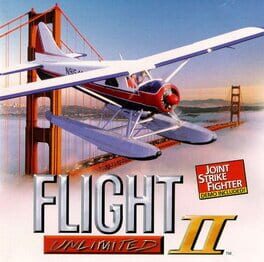
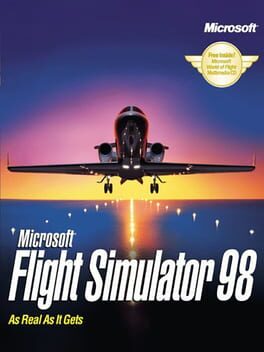
Fly helicopters, stunt planes, and realistic scenery with NASA satellite maps
The Verdict
AI-generated from listing dataProduct A offers broader global scenery, multiplayer, and more aircraft for a known price, while Product B is older, single‑player only, and lacks a listed price.
Key differences
- •Multiplayer: A supports up to 16 pilots; B is single‑player only.
- •Aircraft variety: A includes many aircraft types; B only adds two specific planes.
- •Release date and tech: A (1999) has newer graphics and physics; B (1996) uses older Windows 95/98 graphics.
- •Price transparency: A is $49.99; B’s price is not specified.
- •Content scope: A claims 30,000 real‑world airports; B mentions a wide variety but no specific count.
Gameplay & fun factor
A provides multiplayer and many aircraft, increasing variety and replayability.
Platform availability
B runs natively on Windows 95/98; A’s system requirements are high for 1999 hardware.
Price & value
A lists a clear price of $49.99; B’s price is not specified.
Multiplayer / co‑op
A supports up to 16 pilots; B is limited to single‑player.
Content & replayability
A offers over 30,000 airports and a detailed flight planner; B offers fewer specifics.
Difficulty & accessibility
B’s limited aircraft and single‑player focus make it easier for beginners.
Graphics & performance
A, released later, has more advanced graphics and physics despite higher hardware demands.
Choose Microsoft Flight Simulator 2000 if…
Buyers wanting multiplayer, extensive world coverage, and clear pricing.
Choose Microsoft Flight Simulator for Windows 95 if…
Buyers with legacy Windows 95/98 systems who prefer a simpler, single‑player experience.
Common questions
What is the cost of each game?
Product A costs $49.99; Product B’s price is not specified in the provided data.
Can I play with friends?
Only Product A supports multiplayer (up to 16 pilots); Product B is single‑player only.
Which game has more airports and scenery?
Product A claims over 30,000 real‑world airports; Product B mentions a wide variety but gives no specific number.