



Microsoft Flight Simulator 2000 vs Microsoft Flight Simulator 5.1
Side-by-side comparison of features, pricing, ratings, and alternatives.
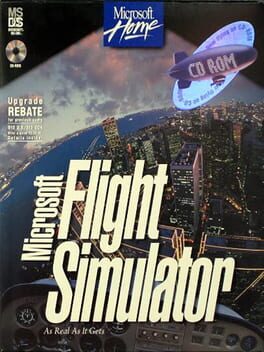
Microsoft Flight Simulator 2000 brings the globe to your desktop with detailed terrain, realistic flight dynamics, and a vast selection of aircraft. Built by ACES Game Studio, it offers both solo and multiplayer flying, letting you explore airports worldwide or share the skies with friends.
Microsoft Flight Simulator 5.1 introduced satellite imagery and extensive scenery libraries, delivering a more authentic visual experience than its predecessors. It was the first in the series to ship on CD-ROM, offering faster load times and improved performance on DOS systems. The edition added true-to-life weather effects such as storms, 3D clouds, and fog, making each flight feel dynamic and immersive. As the final DOS version, it remains a nostalgic classic for flight simulation enthusiasts.
- Extensive global scenery for its time
- Realistic flight dynamics
- Multiplayer capability
- Wide variety of aircraft
- Realistic satellite-based scenery
- Dynamic weather system
- Fast CD-ROM loading
- Extensive support for custom scenery
- High system requirements for 1999 hardware
- Limited graphics compared to modern sims
- Steep learning curve for beginners
- Runs only on DOS
- Limited graphics compared to modern sims
- No multiplayer support
More alternatives & similar tools
Alternatives to Microsoft Flight Simulator 2000
View all →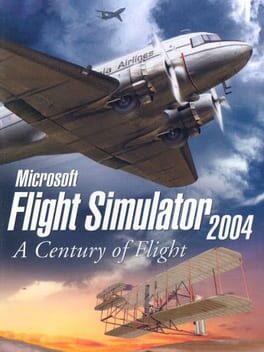
Fly the skies of a century of aviation history in stunning realism.
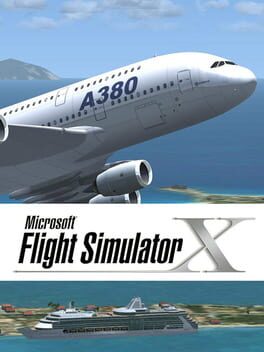
Experience the world from the cockpit with stunning realism and global flight missions
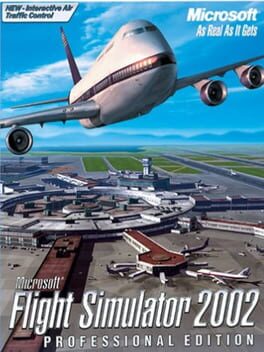
Fly the world with unparalleled realism on your PC
Experience realistic flight with satellite scenery and dynamic weather on classic DOS.
Alternatives to Microsoft Flight Simulator 5.1
View all →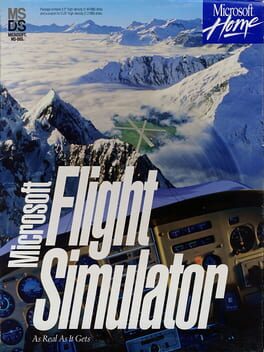
Classic DOS flight sim with SVGA graphics and new European scenery.
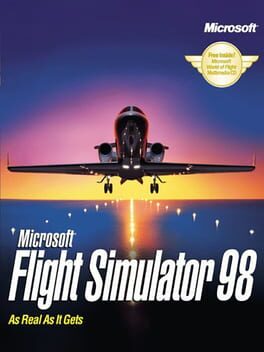
Fly helicopters, stunt planes, and realistic scenery with NASA satellite maps
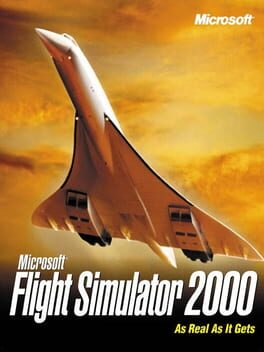
Experience the world from the cockpit in stunning 1999 realism
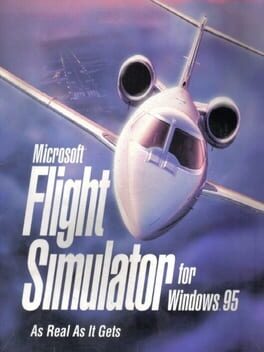
Fly the skies on Windows 95 with realistic planes and photo‑realistic satellite views.
The Verdict
AI-generated from listing dataMicrosoft Flight Simulator 2000 offers more content, multiplayer, and newer technology, while the 5.1 version is a simpler, DOS‑only single‑player experience.
Key differences
- •Multiplayer: 2000 supports up to 16 pilots; 5.1 is single‑player only.
- •World coverage: 2000 includes >30,000 real airports; 5.1 covers the entire globe but with fewer specifics.
- •Aircraft variety: 2000 offers a broader range from trainers to jets; 5.1 provides a limited set.
- •System requirements: 2000 needs higher‑end 1999 hardware; 5.1 runs on 1995 DOS hardware.
- •Release era: 2000 is four years newer, with more modern graphics and physics.
Gameplay & fun factor
2000 adds multiplayer, more aircraft, and extensive airport database, increasing variety and replay value.
Platform availability
Both are PC titles; 5.1 runs on DOS, 2000 runs on 1999 hardware (OS not specified).
Price & value
Both priced at $49.99 one‑time.
Multiplayer / co‑op
2000 supports up to 16 pilots; 5.1 is single‑player only.
Content & replayability
2000 features >30,000 airports, more aircraft, and community add‑ons; 5.1 has a global map but fewer specifics.
Difficulty & accessibility
Both target flight‑simulation enthusiasts; no specific difficulty data provided.
Graphics & performance
2000 marketed as "stunning 1999 realism" and runs on newer hardware, implying better graphics than 1995 DOS version.
Choose Microsoft Flight Simulator 2000 if…
Buyers wanting multiplayer, richer scenery, and more aircraft on newer hardware.
Choose Microsoft Flight Simulator 5.1 if…
Buyers with old DOS PCs or who prefer a lightweight single‑player simulator.
Common questions
Do both games cost the same?
Yes, each is priced at $49.99 one‑time.
Which version supports multiplayer?
Microsoft Flight Simulator 2000 supports up to 16 pilots; 5.1 is single‑player only.
Can I run Flight Simulator 5.1 on modern PCs?
It runs on DOS and is optimized for 1995 hardware; running it on modern systems may require emulation.