



Maestra vs TransDub
Side-by-side comparison of features, pricing, ratings, and alternatives.
Maestra is an AI media localization platform that converts audio and video into transcripts, subtitles, translations, and dubbed voiceovers in more than 125 languages. It generates SRT and VTT subtitle files automatically, translates content with synchronized lip-sync, and produces AI dubbed voiceovers with voice cloning as an alternative to hiring voice talent. The platform also supports real-time live transcription and translation for meetings and broadcasts, and integrates with tools like YouTube, TikTok, Zoom, Microsoft Teams, Slack, and Zapier. Free standalone tools, including a subtitle editor and SRT editor, are available alongside its paid platform.
TransDub is an AI-powered video translation and dubbing platform designed to help creators and businesses reach international audiences. It automates the process of transcribing, translating, and dubbing video content into over 70 languages, offering natural, human-like voices at a significantly reduced cost compared to traditional methods. The platform supports direct uploads, YouTube links, and YouTube account linking, streamlining the workflow from raw video to a multilingual export. With a user-friendly interface, TransDub allows for easy review and correction of translations, and provides fine-grained controls for editing dubbed audio. Features like auto-save, language switching during editing, and the ability to add or change speakers ensure a professional and flexible dubbing experience. The service aims to eliminate language barriers, enabling content to scale globally by providing high-quality exports, including optional SRT subtitles. TransDub is positioned as a cost-effective solution, drastically cutting down expenses associated with hiring translation and dubbing teams. It offers transparent, usage-based pricing starting with a free tier, making it accessible for individual creators and scalable for businesses. The platform is ideal for anyone looking to expand their reach across different linguistic markets without the complexities and high costs of manual localization.
Two plans found: Free and Pro. No annual pricing was shown.
- Wide language coverage for subtitles and dubbing
- Combines transcription, subtitling, translation, and dubbing in one platform
- Free standalone tools available without an account
- Real-time live translation option for broadcasts and meetings
- Significant cost savings compared to traditional dubbing services.
- Supports translation and dubbing into over 70 languages.
- Offers natural, human-like AI voices for dubbing.
- User-friendly interface with features like auto-save and intuitive editing.
- Detailed pricing tiers are not published on the main site
- AI dubbing and voice cloning quality varies by language
- Best suited to teams with recurring localization needs rather than one-off use
- AI-generated voices, while natural, may still lack the full nuance of human voice actors.
- The quality of transcription and translation may require manual review and correction.
- Pricing is usage-based, which could become expensive for high-volume users, although a Pro plan offers bulk minutes.
More alternatives & similar tools
Alternatives to Maestra
View all →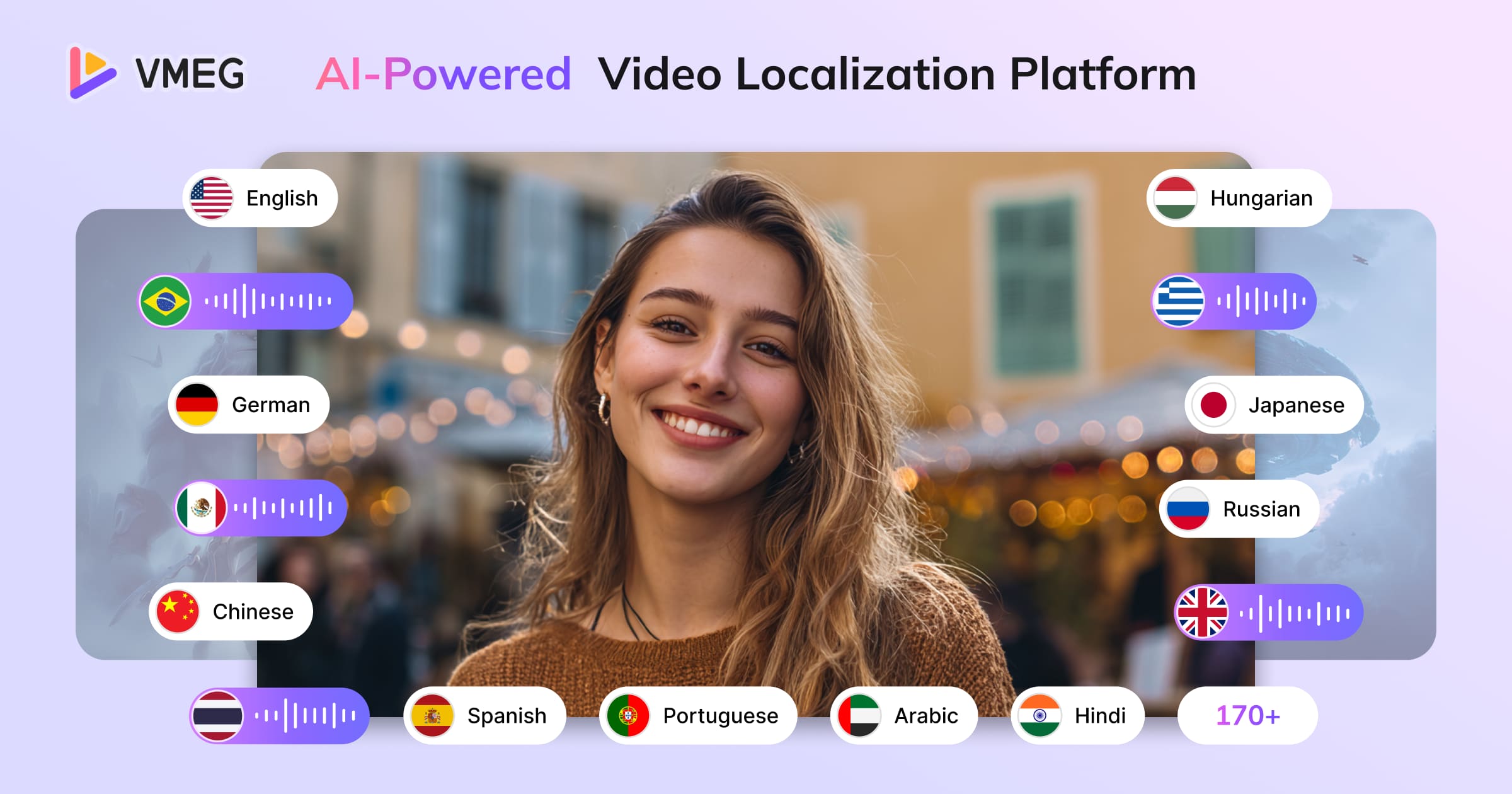
Translate videos into 170+ languages with AI voices, voice cloning, subtitles, and lip-synced dubbing—all in one online studio.
Alternatives to TransDub
View all →
Translate videos into 170+ languages with AI voices, voice cloning, subtitles, and lip-synced dubbing—all in one online studio.
The Verdict
AI-generated from listing dataMaestra offers a broader, integrated suite with many integrations and free tools but hides pricing, while TransDub provides transparent, low‑cost usage‑based pricing and a larger voice library but fewer integrations.
Key differences
- •Maestra includes real‑time live transcription/translation for meetings; TransDub focuses on batch video translation/dubbing only.
- •Maestra supports 125+ languages for subtitles/dubbing; TransDub supports 70+ languages.
- •TransDub’s pricing is usage‑based ($49/month for 30 min, free tier 1 min); Maestra’s subscription pricing is not publicly disclosed.
- •Maestra integrates with YouTube, TikTok, Zoom, Teams, Slack, Zapier; TransDub only integrates directly with YouTube.
- •TransDub offers a massive catalog of 10,000+ AI voices; Maestra’s voice‑cloning quality varies and no count given.
Pricing & value
TransDub shows clear usage‑based pricing ($49/30 min) and a free tier; Maestra’s pricing is undisclosed.
Ease of use / learning curve
TransDub provides an intuitive editor with auto‑save and direct YouTube publishing; Maestra’s broader toolset may be more complex.
Features & depth
Maestra combines transcription, subtitles, translation, dubbing, live transcription, and many integrations in one platform.
Integrations & ecosystem
Maestra integrates with YouTube, TikTok, Zoom, Teams, Slack, Zapier; TransDub only mentions YouTube publishing.
Collaboration
Maestra offers real‑time live transcription for meetings and integrates with collaboration tools like Slack and Teams.
Scalability
TransDub’s usage‑based model scales with minutes purchased; Maestra’s subscription limits are unknown.
Support, Security & privacy
Neither product provides specific support or security details in the supplied facts.
Choose Maestra if…
Teams or businesses needing live transcription, multiple integrations, and an all‑in‑one localization suite.
Choose TransDub if…
Creators or marketers with limited budgets who want straightforward video translation/dubbing and transparent per‑minute pricing.
Common questions
Which tool has clearer pricing information?
TransDub lists a free tier (1 min) and a Pro plan ($49/month for 30 min); Maestra’s subscription pricing is not published.
Do both products support live transcription for meetings?
Only Maestra offers real‑time live transcription and translation for meetings; TransDub does not.
What language coverage do they each provide?
Maestra supports over 125 languages for subtitles and dubbing; TransDub supports over 70 languages.