



Fatal Frame II: Crimson Butterfly vs Fatal Frame III: The Tormented
Side-by-side comparison of features, pricing, ratings, and alternatives.
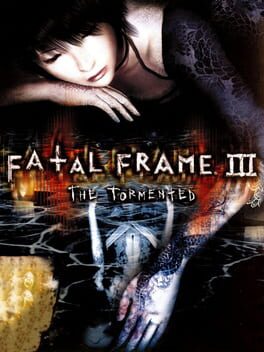
Twin sisters Mio and Mayu explore the cursed Minakami Village, using the Camera Obscura to confront vengeful spirits and unravel a tragic ritual. The atmospheric horror blends puzzle-solving with intense ghost battles, delivering a chilling narrative experience.
Rei Kurosawa is trapped in a recurring nightmare after photographing her dead boyfriend in an abandoned mansion. Each night the dream drags her deeper into the decaying halls, forcing her to confront restless spirits and uncover the truth behind the tragedy. The game blends atmospheric horror with puzzle‑solving, using a special camera to capture and banish ghosts while unraveling a fragmented story through eerie environments and unsettling encounters.
- Atmospheric horror setting
- Innovative camera-based combat
- Compelling twin-protagonist story
- Rich Japanese folklore integration
- Innovative camera‑based combat system
- Deep, atmospheric storytelling
- Challenging puzzles that reward exploration
- Strong replay value with nightly variations
- Limited combat variety
- Occasional camera controls feel clunky
- Linear progression can feel restrictive
- Limited to single‑player mode
- Graphics dated on older hardware
- Occasional control stiffness during camera aiming
More alternatives & similar tools
Alternatives to Fatal Frame II: Crimson Butterfly
View all →A haunting nightmare unfolds as Rei battles spirits in a cursed mansion.
Alternatives to Fatal Frame III: The Tormented
View all →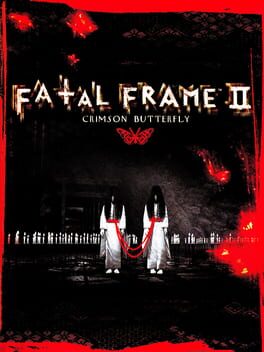
Uncover a haunted village with a camera that captures souls.
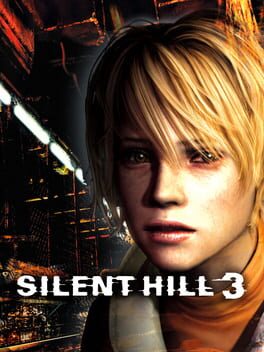
A nightmarish sequel that plunges you deeper into Silent Hill’s terrifying secrets
The Verdict
AI-generated from listing dataBoth games cost the same and offer single‑player horror adventure, but Fatal Frame II: Crimson Butterfly scores higher and adds a dual‑protagonist story, while Fatal Frame III: The Tormented offers nightly dream‑variant levels and stronger replay value.
Key differences
- •Narrative: II uses twin protagonists with multiple endings; III follows a single protagonist with nightly dream variations.
- •Critic reception: II has a higher critic score (87) than III (82).
- •Replayability: III emphasizes nightly corridor changes; II’s replay value hinges on multiple endings and Director’s Cut content.
- •Combat feel: Both use camera combat, but III notes occasional control stiffness, II notes clunky controls.
- •Additional content: II includes a Director’s Cut with extra areas; III has no mentioned DLC.
Pricing & value
Both are paid one‑time titles at $59.99, offering comparable cost.
Gameplay & fun factor
II’s dual‑protagonist story and multiple endings provide broader narrative variety than III’s single‑player dream loops.
Platform availability
Both support PlayStation 2 and PlayStation 3.
Multiplayer / co‑op
Both are single‑player only.
Content & replayability
III offers nightly dream‑sequence changes that increase replay value, whereas II relies mainly on multiple endings.
Difficulty & accessibility
III mentions occasional control stiffness, but II notes clunky camera controls; neither provides explicit difficulty ratings.
Graphics & performance
II’s Director’s Cut adds enhanced graphics; III’s graphics are described as dated on older hardware.
Choose Fatal Frame II: Crimson Butterfly if…
Players who want higher critical acclaim, a richer dual‑character story, and enhanced graphics via the Director’s Cut.
Choose Fatal Frame III: The Tormented if…
Players who prioritize dynamic replay through changing dream levels and don’t mind occasional control stiffness.
Common questions
Do either of these games support multiplayer?
No; both are single‑player only.
Is there any price difference between the two titles?
Both are priced at $59.99 as one‑time purchases.
Which game has better critical reception?
Fatal Frame II: Crimson Butterfly has a higher critic score (87) than Fatal Frame III (82).