



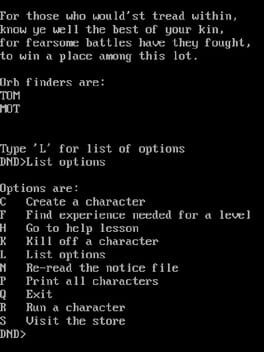
DND is a seminal mainframe classic from 1984 that introduced computer role‑playing games using Dungeons & Dragons rules. It offers a classic, non‑random dungeon crawl experience that laid the groundwork for the rogue‑like genre. Developed by R.O. Software, this single‑player fantasy RPG lets players explore static dungeons, fight monsters, and collect treasure in a text‑based interface reminiscent of early computer gaming.
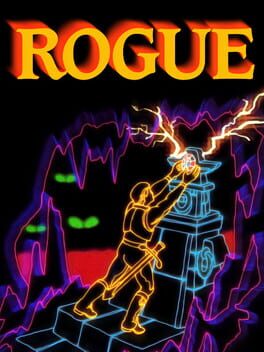
Rogue is a pioneering dungeon‑crawling video game created by Michael Toy and Glenn Wichman in 1980. It introduced procedural level generation and turn‑based exploration that defined the roguelike genre. Played on PC and Mac, the game offers a single‑player experience where every descent is unique, challenging players to survive as long as possible while managing limited resources.
- Authentic early RPG experience
- Faithful D&D rule implementation
- Strategic static dungeon design
- Low system requirements
- Historical significance as the origin of the roguelike genre
- Infinite replayability through procedural dungeons
- Simple controls and low system requirements
- Deep strategic depth despite minimalist presentation
- Text‑only interface may deter modern players
- No random dungeon generation limits replayability
- Limited accessibility on contemporary hardware
- ASCII graphics may deter modern players
- Steep difficulty curve with permanent death
- Limited audio and visual feedback
More alternatives & similar tools
Alternatives to DND
View all →
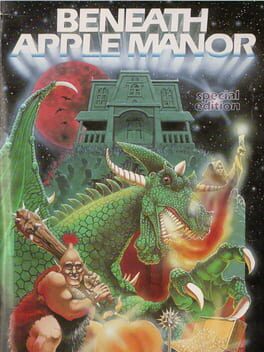
Alternatives to Rogue
View all →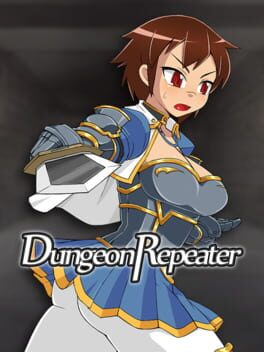
The Verdict
AI-generated from listing dataRogue offers endless, procedurally generated dungeons and broader platform support, while DND delivers a faithful, static Dungeons & Dragons experience with a pure text interface.
Key differences
- •Dungeon design: DND uses a fixed layout; Rogue generates a new map each playthrough.
- •Interface: DND is pure text on mainframe‑style terminals; Rogue uses ASCII graphics on PC/Mac.
- •Rule set: DND implements the original D&D rules; Rogue pioneered the roguelike genre with its own mechanics.
- •Replay value: DND’s static dungeon limits replayability; Rogue’s procedural generation provides infinite runs.
- •Platform reach: DND is limited to legacy terminal environments; Rogue runs natively on modern PC and Mac.
Pricing & value
Both are paid one‑time products; no price differences are specified.
Platform availability
Rogue runs natively on PC and Mac, whereas DND requires mainframe‑style terminals.
Gameplay & fun factor
Rogue’s procedural dungeons and permadeath give deeper strategic depth and endless variety.
Multiplayer / co‑op
Both are single‑player only.
Content & replayability
Rogue offers infinite replayability via procedural generation; DND’s static dungeon limits repeats.
Difficulty & accessibility
DND’s static layout and text‑only UI are less punishing than Rogue’s permanent death and steep curve.
Graphics & performance
Both use minimalistic text/ASCII displays and have low system requirements.
Choose DND if…
Players who crave an authentic early D&D rule set and are comfortable with a static, text‑only experience.
Choose Rogue if…
Players who want endless replay, procedural dungeons, and modern PC/Mac compatibility.
Common questions
What is the price difference between the two games?
Both are sold as a one‑time paid purchase; no price distinction is provided.
Can I play DND on a modern Windows or macOS computer?
DND runs on mainframe‑style terminals with a pure text interface; modern OS support is not specified.
Which game offers more replay value?
Rogue provides infinite replayability through procedurally generated dungeons, while DND has a fixed layout.