



Directory Opus vs Dolphin
Side-by-side comparison of features, pricing, ratings, and alternatives.
Directory Opus is a feature‑rich file manager for Windows that lets users customize the interface, automate tasks, and boost productivity. It offers dual‑pane browsing, advanced file operations, and extensive scripting capabilities, making it a favorite among power users and IT professionals. With a highly configurable UI, built‑in image viewer, archive handling, and FTP support, Opus streamlines everyday file management while providing deep integration with Windows Explorer and the shell.
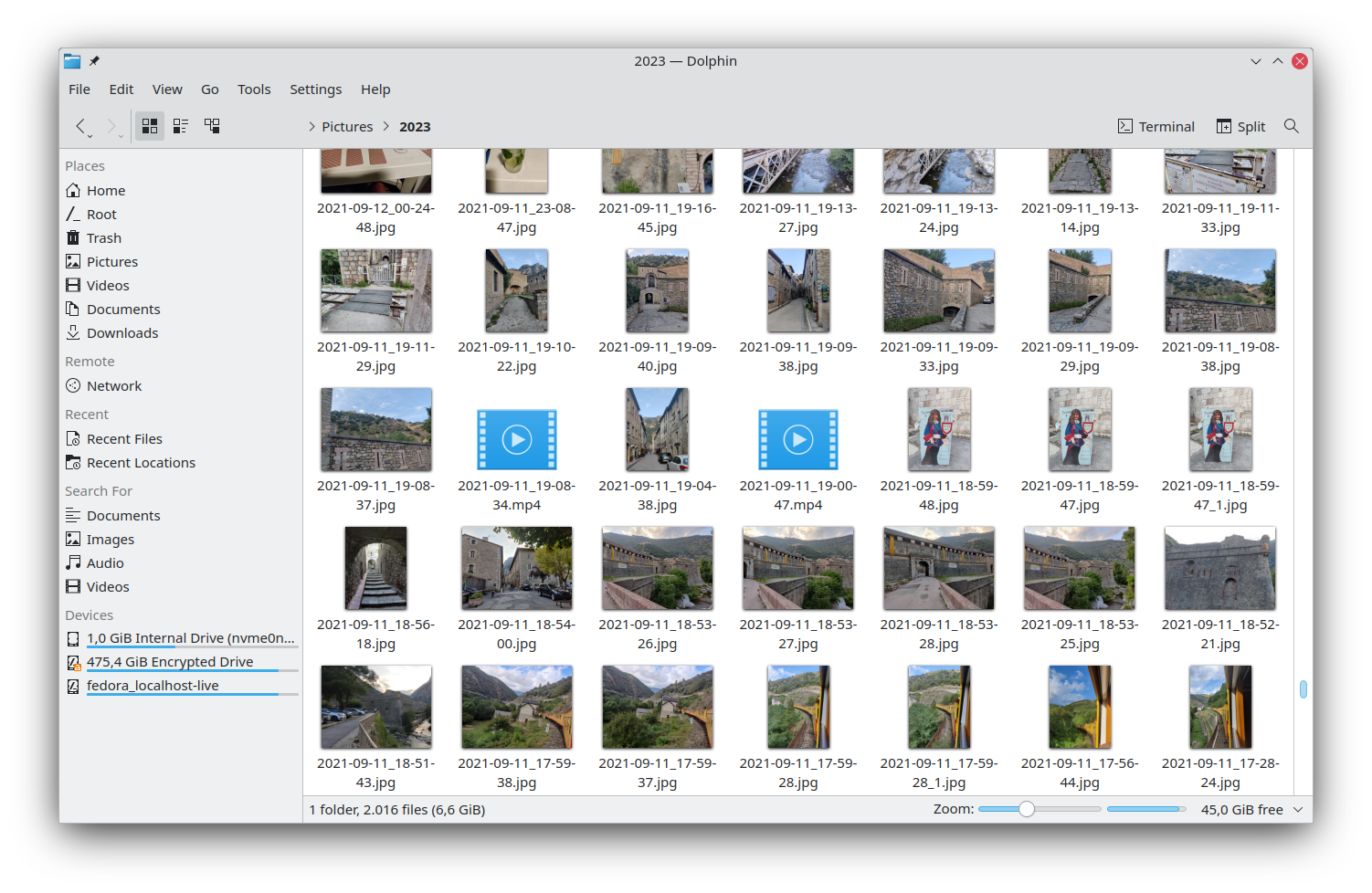
Dolphin is the default file manager for the KDE Plasma desktop, offering a clean interface and powerful navigation tools. It integrates tightly with KDE technologies to provide a seamless experience on Linux systems. Designed for both casual users and power users, Dolphin supports tabbed browsing, split view, and extensive customization through plugins and scripts, making file management efficient and adaptable.
- Highly customizable UI
- Robust batch processing tools
- Integrated FTP and archive support
- Extensive scripting and automation
- Highly customizable via service menus and plugins
- Native integration with KDE Plasma
- Supports multiple tabs and split view
- Free and open‑source
- Windows‑only, no macOS or Linux version
- Steeper learning curve for beginners
- Higher upfront cost compared to free alternatives
- Limited to Linux/KDE environments
- No official Windows/macOS native version
- Lacks a public API for external extensions
More alternatives & similar tools
Alternatives to Directory Opus
View all →Alternatives to Dolphin
View all →
The Verdict
AI-generated from listing dataDolphin is a free, Linux‑only file manager tightly integrated with KDE, while Directory Opus is a paid, Windows‑only manager with richer automation and scripting features.
Key differences
- •Operating system support: Dolphin runs on Linux/KDE, Directory Opus runs on Windows only.
- •Cost: Dolphin is free and open‑source; Directory Opus requires a one‑time purchase.
- •Automation: Directory Opus offers a full scripting engine (JScript, VBScript, PowerShell); Dolphin has no public API for extensions.
- •Remote access: Both support FTP/SFTP, but Directory Opus also includes built‑in archive handling and folder sync.
- •Customization depth: Directory Opus provides extensive UI customization (toolbars, hotkeys, menus); Dolphin relies on KDE service menus and plugins.
Pricing & value
Dolphin is free and open‑source, whereas Directory Opus requires a paid license.
Ease of use / learning curve
Dolphin’s UI follows standard KDE conventions; Directory Opus has a steeper learning curve due to extensive customization options.
Features & depth
Directory Opus includes scripting, folder sync, and built‑in archive handling not present in Dolphin.
Integrations & ecosystem
Dolphin integrates natively with KDE Plasma, Qt, KIO, and GVfs; Directory Opus integrates only with Windows Shell and PowerShell.
Support
Directory Opus offers email, forum, and knowledge‑base support; Dolphin provides community forums and a mailing list only.
Choose Directory Opus if…
Windows power users or IT professionals needing advanced automation, scripting, and built‑in archive tools.
Choose Dolphin if…
Linux power users who need KDE integration and want a free, open‑source solution.
Common questions
Can I use Dolphin on Windows or macOS?
No, Dolphin is limited to Linux/KDE environments.
Does Directory Opus support batch renaming with regular expressions?
Yes, it offers a powerful batch rename tool with regex and metadata support.
Is there a free version of Directory Opus?
No, Directory Opus is a paid, one‑time‑purchase product.