



Datadog vs Glances
Side-by-side comparison of features, pricing, ratings, and alternatives.
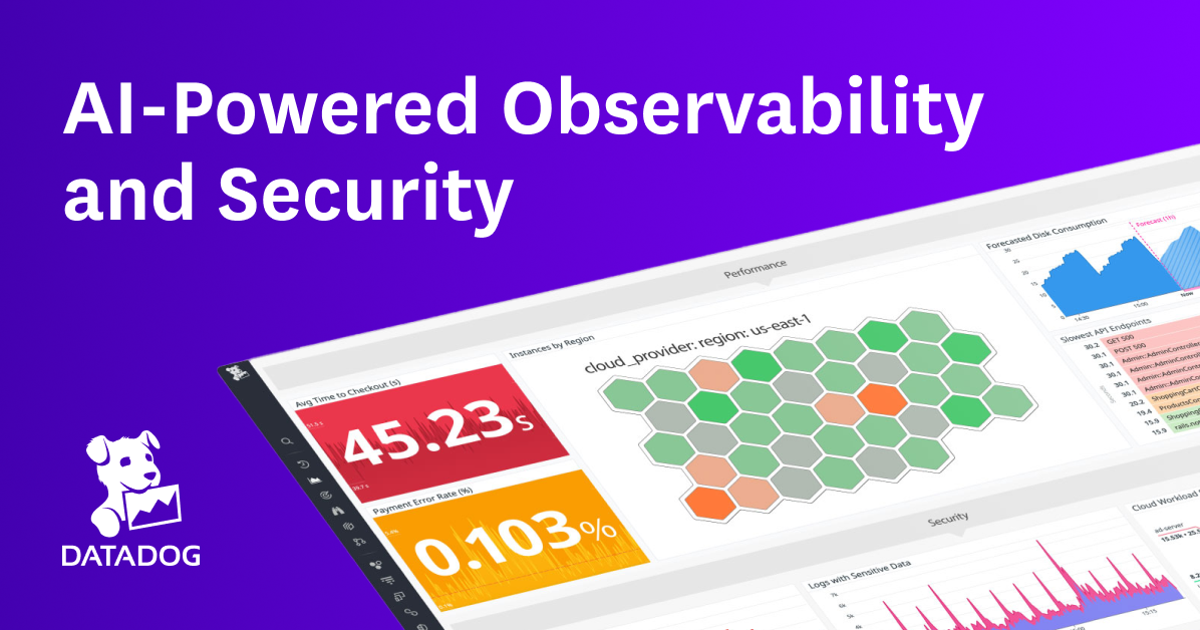
Datadog is a cloud‑based observability platform that provides monitoring of servers, containers, databases, and services. It aggregates metrics, traces, and logs into a single pane. The service offers real‑time dashboards, AI‑driven alerts, and integrations with major cloud providers, helping teams troubleshoot performance issues and ensure reliability.
Glances is an open‑source, cross‑platform monitoring tool that provides a concise, real‑time view of system resources such as CPU, memory, disk I/O, network, and processes. It runs on Linux, Windows, macOS and can be accessed via a web interface, making it ideal for both local and remote monitoring. Designed for system administrators and DevOps teams, Glances aggregates metrics into a single dashboard, supports customizable alerts, and integrates with scripts or APIs for automated workflows. Its lightweight design ensures minimal overhead while delivering comprehensive performance insights.
- Comprehensive integration library
- Unified view of metrics, logs, and traces
- Scalable SaaS architecture with minimal maintenance
- Advanced AI alerts reduce noise
- Fully open‑source and free
- Runs on all major operating systems
- Lightweight with low resource overhead
- Extensible via plugins and API
- Pricing can become expensive at scale
- Learning curve for complex dashboard configurations
- Limited on‑premises deployment options
- No native mobile app
- Limited built‑in visualization compared to commercial tools
- Alerting requires manual configuration or external scripts
More alternatives & similar tools
Alternatives to Datadog
View all →



Alternatives to Glances
View all →


The Verdict
AI-generated from listing dataGlances offers free, lightweight OS‑level monitoring; Datadog provides a paid, comprehensive observability platform with logs, tracing, and AI alerts.
Key differences
- •Cost model – Glances is completely free, Datadog is freemium and can become expensive at scale.
- •Depth of observability – Datadog includes logs, APM tracing, and AI‑driven alerts; Glances only shows system metrics.
- •Integration breadth – Datadog supports 450+ native integrations; Glances relies on a limited plugin set.
- •Deployment style – Glances runs locally on any OS; Datadog is a cloud‑SaaS service.
- •Support channels – Datadog offers 24/7 phone/live‑chat; Glances provides email and GitHub issue support only.
Pricing & value
Glances is fully free and open‑source; Datadog’s freemium tier is limited and paid tiers add cost.
Ease of use / learning curve
Glances runs from the command line with simple web UI; Datadog’s rich UI requires more configuration.
Features & depth
Datadog includes logs, distributed tracing, AI anomaly detection, and incident management; Glances only provides system metrics.
Integrations & ecosystem
Datadog lists over 450 native integrations; Glances lists a handful of plugins and key integrations.
Collaboration
Datadog offers built‑in incident management, Slack/PagerDuty integration, and multi‑user dashboards; Glances lacks collaboration features.
Scalability
Datadog’s SaaS architecture scales to enterprise workloads; Glances is lightweight but intended for single‑host monitoring.
Support
Datadog provides 24/7 email, live chat, and phone support; Glances only offers email and GitHub issue tracking.
Choose Datadog if…
Enterprises requiring unified metrics, logs, tracing, AI alerts, and extensive integrations with paid support.
Choose Glances if…
Small teams or individuals needing free, basic OS monitoring across Windows/macOS/Linux.
Common questions
Can I use Glances for log management and distributed tracing?
No; Glances only provides system‑level metrics and does not include log or tracing capabilities.
What is the total cost if I need to monitor 100 servers with Datadog?
Not specified in the provided facts; Datadog is freemium and pricing can become expensive at scale.
Does either tool offer a mobile app for remote monitoring?
Glances has no native mobile app; Datadog’s mobile availability is not specified in the facts.