



Anki vs Brainscape
Side-by-side comparison of features, pricing, ratings, and alternatives.


Anki is a flashcard application built around spaced repetition, using an algorithm to schedule reviews so learners spend more time on challenging material and less on cards they already know well. It is free and open source on desktop (Windows, macOS, Linux), with source code publicly available on GitHub and an extensible add-on ecosystem built by the community.
Brainscape is a digital flashcard platform built around Confidence-Based Repetition (CBR), where learners rate how well they know each card and the app adjusts review frequency accordingly to focus time on weaker material. It can automatically generate flashcards from uploaded PDFs, PowerPoints, Word documents, Excel files, and videos using AI.
- Completely free and open source on desktop and Android
- Highly customizable via add-ons
- Proven spaced-repetition algorithm with a long track record
- Handles massive decks without performance issues
- Confidence-Based Repetition is a distinctive, well-established study method
- Strong AI document-to-flashcard conversion
- Certified expert-vetted deck library for common exams
- Free tier allows unlimited flashcard creation
- Steeper learning curve and dated UI compared to modern flashcard apps
- AnkiMobile (iOS) requires a one-time paid purchase
- No built-in AI content generation like some newer competitors
- Premium pricing isn't published on the main site
- Advanced AI generation limits require Premium
- Certified content library is narrower than some larger competitors
More alternatives & similar tools
Alternatives to Anki
View all →
AI note-taking app that turns notes into flashcards with spaced repetition to help you actually learn.
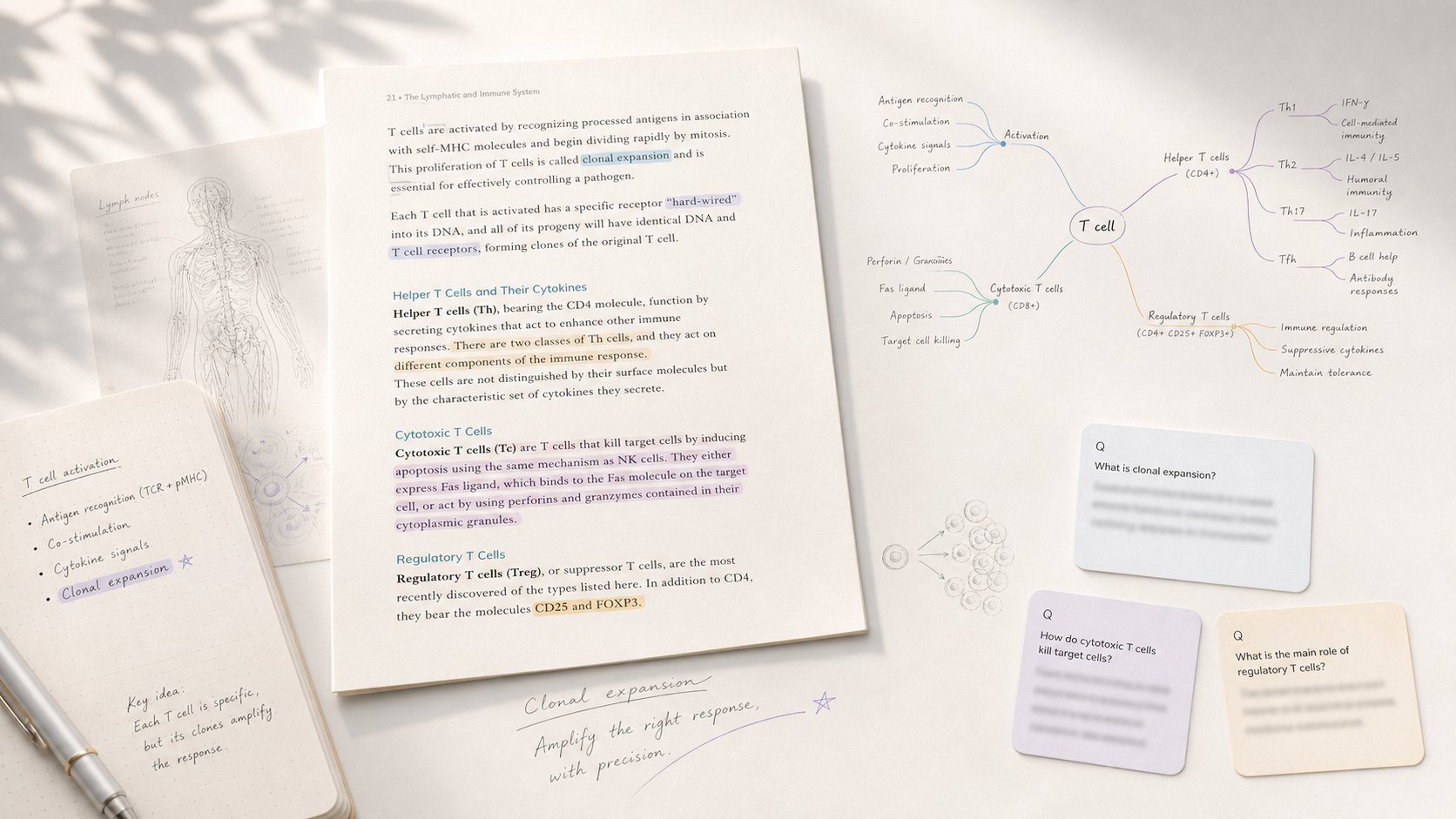
Study app that turns PDF/EPUB annotations into mind maps and spaced-repetition flashcards.

All-in-one study platform with flashcards, notes, and AI-generated practice exams
Alternatives to Brainscape
View all →The Verdict
AI-generated from listing dataAnki offers a completely free, open‑source, highly customizable flashcard system with massive deck capacity, while Brainscape provides a modern SaaS experience with confidence‑based repetition and AI‑generated cards but requires paid tiers for advanced features.
Key differences
- •Pricing model: Anki is free (desktop/iOS paid), Brainscape is freemium with undisclosed premium costs.
- •Study algorithm: Anki uses spaced‑repetition (SM‑2); Brainscape uses confidence‑based repetition.
- •AI content creation: Brainscape can auto‑generate cards from documents; Anki has no built‑in AI.
- •Collaboration: Brainscape supports shared decks with permissions; Anki lacks native collaboration.
- •Deployment: Anki runs locally (desktop, Android, iOS); Brainscape is cloud‑based SaaS.
Pricing & value
Anki is free on desktop and Android; iOS costs one‑time, while Brainscape’s premium pricing is not published.
Ease of use / learning curve
Brainscape offers a modern UI and guided setup; Anki has a steeper learning curve and dated UI.
Features & depth
Anki supports massive decks (>100k cards), rich media, and extensive add‑ons; Brainscape lacks comparable deck size handling.
Integrations & ecosystem
Brainscape provides AI document‑to‑card conversion and expert‑vetted decks; Anki has no API or built‑in AI.
Collaboration
Brainscape includes shared decks with configurable permissions; Anki has no native collaborative features.
Scalability
Anki handles very large decks efficiently; Brainscape’s cloud limits are not specified but AI limits require premium.
Support & lock‑in
Brainscape is a managed SaaS with support channels; Anki is community‑driven with no official support.
Choose Anki if…
Learners needing free, offline, highly customizable flashcards and massive deck capacity.
Choose Brainscape if…
Users who want AI‑generated cards, collaborative decks, and a polished cloud experience.
Common questions
Is there any ongoing cost to use Anki?
Anki desktop and Android are free; iOS requires a one‑time purchase; no subscription fees.
Can I automatically create flashcards from my study PDFs?
Brainscape offers AI‑generated cards from PDFs and other documents; Anki does not have this feature.
Which tool supports large decks without performance issues?
Anki is reported to handle decks beyond 100,000 cards efficiently; Brainscape’s limits are not specified.