




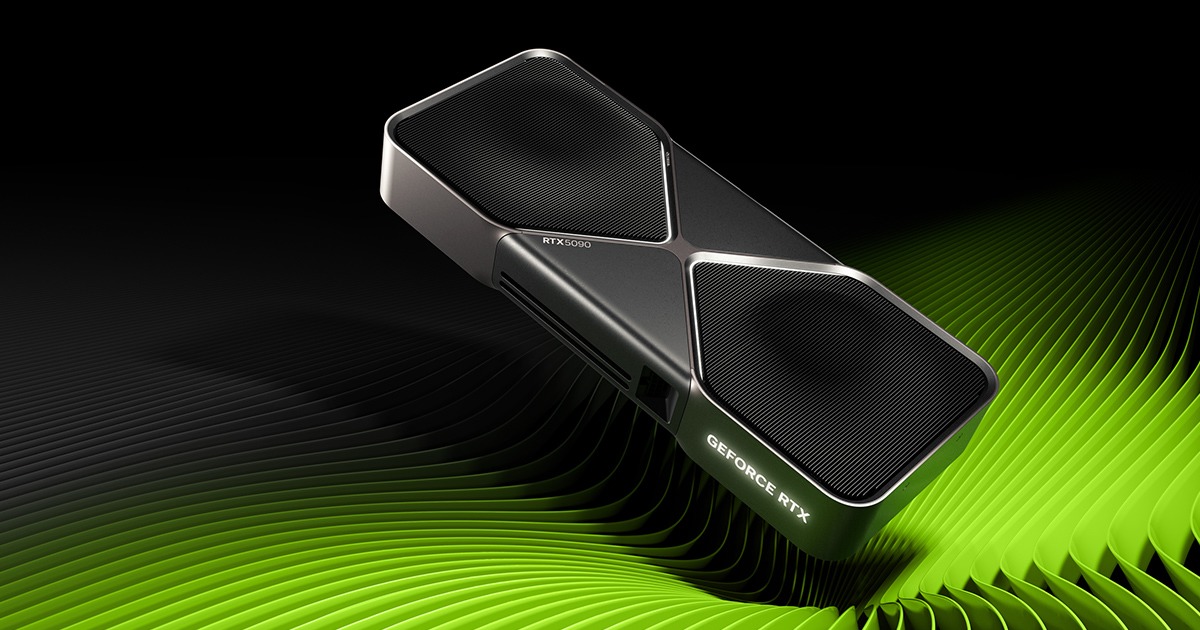
NVIDIA GeForce RTX 3080
Ultimate 4K gaming performance with ray tracing and AI acceleration
Best for
Enthusiast 4K gamers
Skip if
Budget-conscious buyers
What is NVIDIA GeForce RTX 3080?
The GeForce RTX 3080 delivers breakthrough gaming power, enabling smooth 4K frame rates and immersive ray‑traced visuals. Built on NVIDIA’s Ampere architecture, it combines massive CUDA core counts with dedicated RT and Tensor cores for real‑time lighting, AI‑enhanced graphics, and high‑throughput compute. Designed for enthusiasts, creators, and professionals, the RTX 3080 supports advanced features like DLSS 2.0, HDMI 2.1, and PCIe 4.0, making it a versatile solution for gaming rigs, workstations, and AI workloads.
SpecificationsAI-estimated
Community Benchmarks
Log in to submit a scoreNo community benchmarks yet - be the first to submit one!
Key Features of NVIDIA GeForce RTX 3080
Use Cases for NVIDIA GeForce RTX 3080
4K Gaming
Achieve 60+ FPS in demanding AAA titles at ultra settings with ray tracing enabled.
Content Creation
Accelerate video rendering and 3D modeling with AI‑enhanced workflows.
AI Research
Leverage Tensor cores for faster deep‑learning model training and inference.
High‑Resolution Streaming
Stream gameplay at 4K/60 Hz with low latency using NVIDIA NVENC encoding.
Pros & Cons of NVIDIA GeForce RTX 3080
Pros
- Outstanding 4K performance
- Real‑time ray tracing capability
- AI‑driven DLSS boosts frame rates
- Robust cooling and quiet operation
Cons
- High power consumption (~320 W)
- Requires a strong PSU and adequate case space
- Limited availability can drive up price
Frequently Asked Questions
What power supply is recommended for the RTX 3080?
A quality 750 W or higher 80+ Gold PSU is recommended to ensure stable operation.
Does the RTX 3080 support VR?
Yes, it fully supports current VR headsets with high frame rates and low latency.
Can I use the RTX 3080 for professional rendering?
Absolutely; the card’s CUDA, RT, and Tensor cores accelerate rendering in software like Blender, Maya, and Octane.
Is the RTX 3080 compatible with older motherboards?
It works with PCIe 3.0 slots, though you’ll get reduced bandwidth compared to PCIe 4.0.
Pricing Overview
View full pricing →Detailed plans are not listed. Visit the official website for pricing information.
Reviews & Ratings0.0
No reviews yet. Be the first to write one!
Top Alternatives & Similar Hardware
View all alternatives & similar hardware→
Best For
Related searches
About the Product
Is this your tool?
Claim this page to update details, reply to user reviews, and drive more traffic to your product.
Claim this Product →
Tags
Explore Related Topics
Keep up with NVIDIA GeForce RTX 3080 alternatives
New alternatives, pricing changes and the week's biggest movers - one email every Tuesday.