



Wishbringer vs Zork
Side-by-side comparison of features, pricing, ratings, and alternatives.

Wishbringer: The Magick Stone of Dreams is an interactive fiction computer game written by Brian Moriarty and published by Infocom in 1985. As a postal clerk in the fishing village of Festeron, you are tasked with delivering an envelope to Ye Olde Magick Shoppe, only to find the town transformed into the sinister Witchville after a kindly shopkeeper asks you to rescue her cat from The Evil One. Armed with the magical Wishbringer stone, you must navigate puzzles using seven unique wishes requiring specific objects to defeat The Evil One within a few hours. Designed as an accessible entry point to interactive fiction for inexperienced players, this text-based adventure delivers an engaging fantasy mystery filled with clever challenges.
Zork is one of the earliest and most influential interactive fiction computer games, originating on the DEC PDP-10 computer. As a dauntless treasure-hunter in the year 948 GUE, you venture into a dangerous underground realm near a white house to seek fabulous wealth and adventure. Equipped with only your wits, a light source, and weapons to fend off unfriendly inhabitants like the ruthless thief, you must solve diabolical puzzles and collect treasures to deposit in your trophy case. The game relies entirely on text-based parser commands to navigate and interact with its rich, text-driven subterranean world.
- Accessible difficulty curve makes it great for beginners
- Engaging and atmospheric fantasy storyline
- Clever use of the magical wish mechanics
- Well-written text prose by Brian Moriarty
- Rich and imaginative text descriptions that spark the player's imagination
- Clever and challenging puzzles that offer a genuine sense of accomplishment
- Deep historical significance as a pioneering interactive fiction title
- Lightweight system requirements allowing it to run easily on modern PC and Mac hardware
- Limited replay value once all puzzles are solved
- Text parser can occasionally be restrictive compared to modern games
- Short overall length relative to harder Infocom titles
- Strict text parser can occasionally lead to frustration guessing exact keywords
- Lack of modern graphics or audio may deter players unfamiliar with text adventures
- Unforgiving gameplay mechanics can result in dead ends if resources are mismanaged
More alternatives & similar tools
Alternatives to Wishbringer
View all →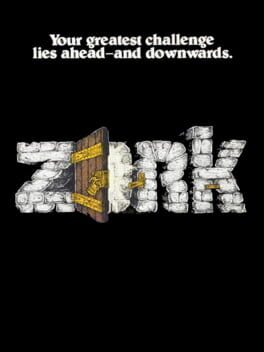
Explore the perilous ruins of the Great Underground Empire in this classic interactive fiction text adventure.
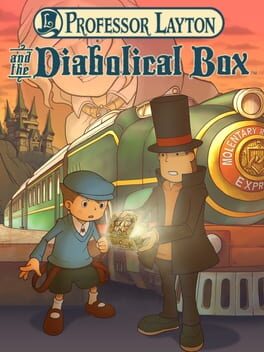
Solve puzzles and uncover a mysterious box in a charming adventure
Alternatives to Zork
View all →
Explore a hidden underground maze in this comedic text adventure set in the Zork universe.
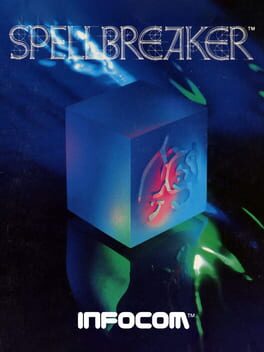
Venture into a hidden region of the Great Underground Empire and outwit a senile wizard.
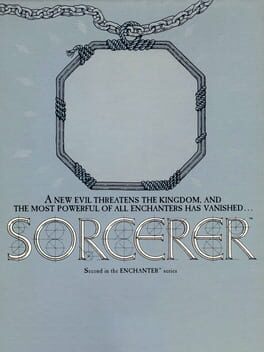
Face the ultimate test in the final chapter of the legendary Zork trilogy.
The Verdict
AI-generated from listing dataWishbringer offers a gentle, story‑focused intro to text adventures, while Zork delivers classic, challenging puzzles for seasoned players.
Key differences
- •Difficulty: Wishbringer is beginner‑friendly; Zork is notoriously hard.
- •Replay value: Wishbringer’s puzzles are limited after completion; Zork’s treasure hunting and exploration encourage multiple runs.
- •Puzzle style: Wishbringer uses simple, guided puzzles; Zork features diabolical, logic‑heavy challenges.
- •Release era: Wishbringer (1985) has slightly newer writing; Zork (1977) is a foundational IF title.
Gameplay & fun factor
Wishbringer’s wish mechanic and gentle pacing make it more immediately enjoyable for newcomers.
Platform availability
Both are text‑based, run on modern PC/Mac with minimal requirements.
Price & value
Both are paid one‑time purchases; no price difference specified.
Multiplayer / co‑op
Both are single‑player experiences.
Content & replayability
Zork’s treasure collection and larger world give more incentive to replay than Wishbringer’s limited puzzles.
Difficulty & accessibility
Wishbringer’s accessible difficulty curve is designed for beginners, unlike Zork’s unforgiving puzzles.
Graphics & performance
Both are pure text adventures with no graphics; performance is equally lightweight.
Choose Wishbringer if…
New to interactive fiction or prefers a short, story‑driven experience.
Choose Zork if…
Experienced text‑adventure player seeking deep challenge and replay depth.
Common questions
Which game is easier for someone who has never played a text adventure?
Wishbringer is designed with a beginner‑friendly difficulty curve and simple puzzles.
Do either of these games offer multiplayer?
No; both are single‑player only.
Is there any price advantage between the two?
Both are sold as one‑time paid purchases; no price difference is specified.