



Ultimate Muscle: Legends vs. New Generation vs WWE All Stars
Side-by-side comparison of features, pricing, ratings, and alternatives.

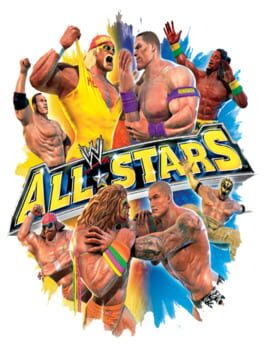
Many years after King Muscle and the Muscle League saved Earth, the evil villains return, forcing the seasoned Legends to join forces with a fresh wave of younger super‑heroes. Trainer Meat pits the two generations against each other in a high‑energy tournament to crown the ultimate champions. The game blends classic fighting mechanics with over‑the‑top wrestling moves, split‑screen multiplayer, and a humorous storyline that celebrates both nostalgia and new talent, delivering a unique action‑sport experience.
WWE All Stars delivers fast‑paced, over‑the‑top wrestling action that pits classic icons like Hulk Hogan and Ultimate Warrior against today’s superstars such as John Cena and Triple H. The game’s exaggerated moves and colorful arenas capture the spirit of an arcade brawler while staying true to wrestling’s larger‑than‑life personalities. Up to four players can battle locally in split‑screen mode, using a simple combo system to pull off spectacular finishers. Available on PlayStation 3, Xbox 360, and PlayStation 2, it offers both single‑player story modes and chaotic multiplayer matches for fans of high‑energy sports combat.
- Entertaining blend of comedy and action
- Robust character upgrade system
- Local split‑screen multiplayer
- Rich nostalgic references for fans
- Huge mix of classic and modern wrestlers
- Exciting arcade‑style combat
- Local split‑screen for up to four players
- Simple controls suitable for newcomers
- Limited to single‑player and local multiplayer only
- Graphics are dated by modern standards
- Roster size smaller than contemporary fighters
- Limited online multiplayer options
- Graphics feel dated on newer consoles
- Roster lacks some recent WWE stars
More alternatives & similar tools
Alternatives to Ultimate Muscle: Legends vs. New Generation
View all →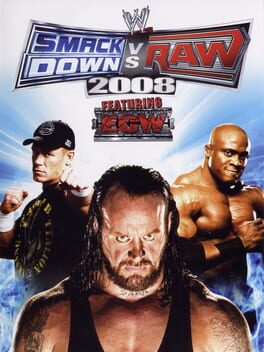
Step into the ring with ECW legends, new submission system, and classic WWE arenas.
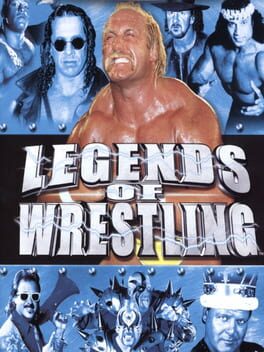

Alternatives to WWE All Stars
View all →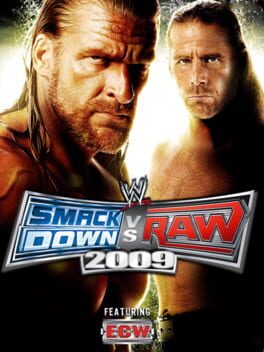
Control the action with interactive entrances and epic victory scenes.


The Verdict
AI-generated from listing dataProduct A offers higher critical acclaim and deeper combo‑focused gameplay for two players, while Product B provides a larger party‑friendly roster and simpler controls for up to four local players.
Key differences
- •Multiplayer capacity: A supports 2‑player split‑screen only; B supports up to 4 players split‑screen.
- •Control depth: A rewards timing and combos; B uses a simple two‑button system.
- •Critical reception: A scored 80/100, B scored 63/100.
- •Price: A costs $49.99, B costs $59.99.
- •Roster size: A’s roster is smaller; B mixes many legends and modern stars (though missing newest WWE talent).
Gameplay & fun factor
A’s combo‑timing system offers more depth than B’s simple two‑button arcade style.
Platform availability
B is released on PS3, Xbox 360, and PS2; A’s platform not specified beyond original release.
Price & value
A is $10 cheaper ($49.99 vs $59.99) and has a higher critic score, giving better value.
Multiplayer / co‑op
B supports up to four local players; A only supports two.
Content & replayability
B’s larger mixed roster and multiple arena settings provide more variety than A’s smaller roster.
Difficulty & accessibility
B’s two‑button controls are easier for newcomers; A requires precise timing.
Graphics & performance
Both are described as dated; no clear superiority is given.
Choose Ultimate Muscle: Legends vs. New Generation if…
Players who prioritize deeper combat and higher review scores, and only need two‑player local play.
Choose WWE All Stars if…
Groups wanting up to four friends to play together with simple controls and a broader wrestler roster.
Common questions
Is online multiplayer available?
Neither product lists online multiplayer; both are limited to local play.
Which game offers better value for the money?
Product A costs $49.99 and has an 80/100 critic score, making it better value than Product B’s $59.99 and 63/100.
Can I play with more than two friends?
Only Product B supports up to four players locally; Product A supports two players only.