



Trinity vs Wonderland
Side-by-side comparison of features, pricing, ratings, and alternatives.
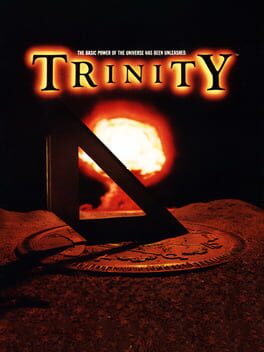
Trinity is an interactive fiction adventure written by Brian Moriarty and published by Infocom in 1986. You begin as an American tourist strolling through London's Kensington Gardens, only to witness the sudden vaporization of the city as World War III erupts. Escaping the devastation thrusts you into bizarre realms of giant fly‑traps, strange creatures, and shifting logic, culminating in a journey back to the New Mexico desert moments before the historic Trinity nuclear test. Solve riddles, collect curious objects, and uncover the hidden logic of this surreal universe.
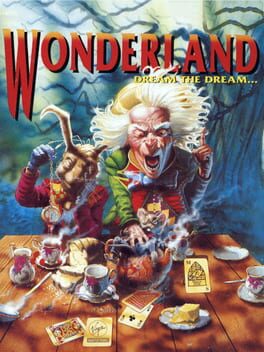
Wonderland is a 1990 text adventure developed by Magnetic Scrolls, offering a richly written fantasy narrative driven by a sophisticated text parser. Players explore a surreal landscape, solving puzzles and interacting with characters solely through typed commands. Published by Virgin Interactive Entertainment in Europe, the game exemplifies early interactive fiction with detailed descriptions, branching story paths, and a focus on imagination over graphics. It remains a beloved title among retro gaming enthusiasts.
- Deep, thought‑provoking storyline
- Richly descriptive prose
- Challenging and original puzzles
- Atmospheric surreal settings
- Deep, imaginative storyline.
- Robust text parser for nuanced input.
- High replay value with multiple outcomes.
- Authentic retro experience.
- Text‑only interface may deter visual gamers
- Steep learning curve for newcomers to interactive fiction
- Limited to Mac platform without official ports
- No graphical interface may deter modern players.
- Steep learning curve for text commands.
- Limited platform availability.
More alternatives & similar tools
Alternatives to Trinity
View all →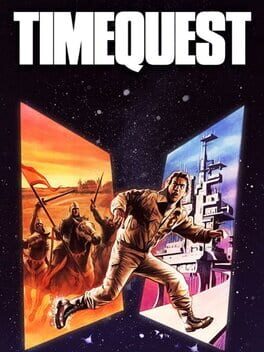
Pursue a rogue temporal agent across 3,000 years of history in this text-based sci-fi adventure.
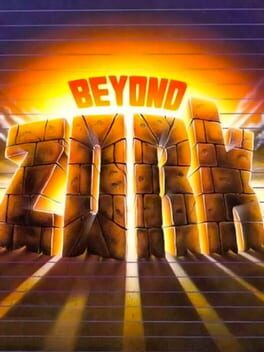
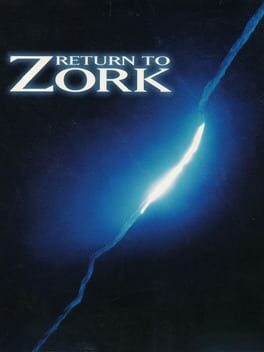
An interactive fiction RPG where you recover the powerful Coconut of Quendor from an Ur-grue.
Alternatives to Wonderland
View all →
The Verdict
AI-generated from listing dataTrinity offers a cheaper, sci‑fi literary text adventure for Mac users, while Wonderland provides a pricier, fantasy‑focused adventure with higher replay value and broader branching.
Key differences
- •Price: Trinity $19.99 vs Wonderland $49.99.
- •Setting/theme: Trinity is nuclear‑apocalypse sci‑fi; Wonderland is whimsical fantasy.
- •Replayability: Wonderland has branching paths and multiple outcomes; Trinity appears more linear.
- •Platform focus: Trinity explicitly runs on modern Mac; Wonderland’s platform details are vague but limited.
- •Content depth: Trinity emphasizes surreal riddles and prose; Wonderland emphasizes a robust parser and imaginative world.
Pricing & value
Trinity costs $19.99, less than half of Wonderland’s $49.99 price.
Gameplay & fun factor
Both are text‑only interactive fiction with puzzles; enjoyment depends on personal theme preference.
Platform availability
Trinity explicitly supports modern Mac; Wonderland’s platforms are unspecified and noted as limited.
Multiplayer / co‑op
Both are single‑player experiences.
Content & replayability
Wonderland offers branching story paths and multiple outcomes, increasing replay value.
Difficulty & accessibility
Both list a steep learning curve and text‑only interfaces that may deter newcomers.
Graphics & performance
Both rely solely on text; no graphical content.
Choose Trinity if…
Buy Trinity if you want a lower‑cost, sci‑fi literary adventure and have a Mac.
Choose Wonderland if…
Buy Wonderland if you prefer fantasy, want branching narratives, and are willing to pay more.
Common questions
Which game is cheaper?
Trinity costs $19.99; Wonderland costs $49.99.
Can I play these on my Windows PC?
Trinity is listed for modern Mac only; Wonderland’s platform is unspecified but noted as limited, so Windows support is not confirmed.
Which game offers more replay value?
Wonderland provides branching paths and multiple outcomes, giving higher replayability than Trinity’s more linear narrative.