



The Lord of the Rings: War in the North vs Diablo III
Side-by-side comparison of features, pricing, ratings, and alternatives.
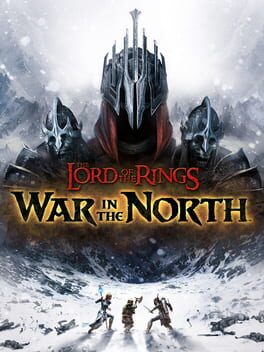
Set in the untold events of the War of the Ring, players lead a trio of heroes through a dark, open‑world version of the North, battling Orcs, trolls, and legendary beasts. The game blends RPG progression, strategic combat, and a story‑driven campaign that can be tackled solo or with friends.
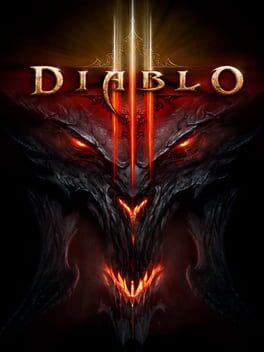
Diablo III is a dark fantasy action RPG that continues the legendary Diablo saga. Players choose from iconic classes and embark on a quest to defeat the Prime Evil across a sprawling, loot‑filled world. The game offers both a compelling single‑player story and robust online co‑op, letting friends team up to tackle challenging dungeons and seasonal events.
- Engaging co‑op gameplay with three unique heroes
- Rich, atmospheric Middle‑Earth setting
- Varied combat styles and skill customization
- Solid narrative that expands the LOTR universe
- Rich, atmospheric world with deep lore.
- Highly replayable with seasons and adventure mode.
- Robust co‑op experience across multiple platforms.
- Extensive loot and character customization.
- Repetitive enemy encounters in later stages
- Technical issues on some platforms at launch
- Limited open‑world freedom compared to other titles
- Endgame can feel grind‑heavy for some players.
- Microtransaction shop for cosmetic items.
- Online connectivity required for most features.
More alternatives & similar tools
Alternatives to The Lord of the Rings: War in the North
View all →
Alternatives to Diablo III
View all →
The Verdict
AI-generated from listing dataBoth are paid action‑RPGs at $59.99, but Diablo III offers higher critical acclaim and stronger replay value, while War in the North gives a unique LOTR co‑op experience with three fixed heroes.
Key differences
- •War in the North limits you to three preset characters; Diablo III provides eight classes with deeper skill trees.
- •Diablo III uses procedurally generated dungeons and seasonal content for endless replayability; War in the North has a semi‑open map with fixed locations.
- •Critic scores differ markedly: 66/100 for War in the North vs 83/100 for Diablo III.
- •War in the North’s narrative expands Tolkien lore with voiced story; Diablo III focuses on its own dark fantasy lore.
- •Technical stability: War in the North launched with platform‑specific issues; Diablo III has no listed launch problems.
Gameplay & fun factor
Diablo III’s class variety, procedural dungeons, and seasonal modes create more dynamic fun than War in the North’s fixed heroes.
Platform availability
Both list single‑player and co‑op multiplayer; no specific platform differences are provided.
Price & value
Both cost $59.99, but Diablo III’s higher critic score and replay systems give better perceived value.
Multiplayer / co‑op
War in the North emphasizes coordinated three‑hero co‑op and AI companions; Diablo III supports up to four players but less narrative focus.
Content & replayability
Diablo III’s seasonal content, adventure mode, and random dungeons outpace War in the North’s limited map and scripted bosses.
Difficulty & accessibility
War in the North’s combat is combo‑driven but limited to three heroes, making skill mastery simpler than Diablo III’s class depth.
Graphics & performance
War in the North suffered technical issues at launch; Diablo III has no noted performance problems.
Choose The Lord of the Rings: War in the North if…
LOTR fans wanting a story‑driven co‑op with three distinct heroes.
Choose Diablo III if…
Players seeking deep loot, high replay value, and stronger critical reception.
Common questions
Do I need an online subscription for either game?
Both require online connectivity for co‑op, but no subscription is mentioned; Diablo III’s online features are required for most modes.
Which game offers more post‑launch content?
Diablo III provides seasonal updates, adventure mode, and ongoing loot cycles; War in the North has no listed post‑launch content.
Is the combat in War in the North repetitive?
Yes, reviews note enemy encounters become repetitive in later stages.