



Street Racing Syndicate vs The Need for Speed
Side-by-side comparison of features, pricing, ratings, and alternatives.
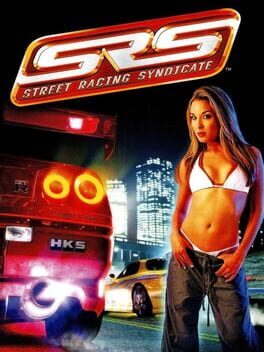
Street Racing Syndicate drops you into the gritty world of underground racing, letting you tweak over 40 licensed vehicles with parts from more than 15 real manufacturers. Race through three distinct U.S. cities, mastering tight corners and daring straight‑line sprints. The game offers both single‑player campaigns and multiplayer modes, delivering fast‑paced action for solo thrill‑seekers and competitive crews alike.
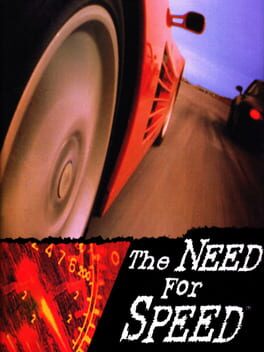
The Need for Speed delivers an adrenaline‑filled racing experience that blends arcade thrills with authentic vehicle dynamics. Players can race through detailed city streets, customize their rides, and compete against friends or AI opponents in a variety of modes. Since its 1994 debut, the series has evolved to feature licensed cars, expansive environments, and both single‑player and multiplayer challenges, making it a timeless classic for racing fans on PC.
- Extensive car customization
- Three diverse city environments
- Both single‑player and multiplayer options
- Authentic licensed vehicle roster
- Extensive car roster with authentic models
- Deep customization options for performance and aesthetics
- Robust multiplayer with both competitive and cooperative modes
- Engaging career progression with varied race types
- Graphics dated by modern standards
- Limited online matchmaking features
- Occasional AI imbalance
- Graphics are dated compared to modern titles
- Limited content updates since original release
- Multiplayer matchmaking can be inconsistent
More alternatives & similar tools
Alternatives to Street Racing Syndicate
View all →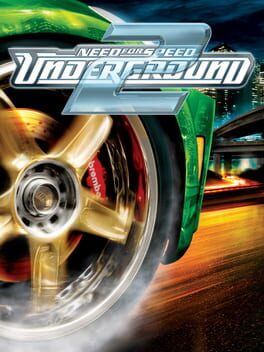
Street racing meets customization in a neon‑lit underground world.
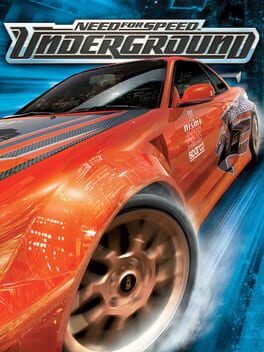
Street racing meets customization in the ultimate underground showdown.
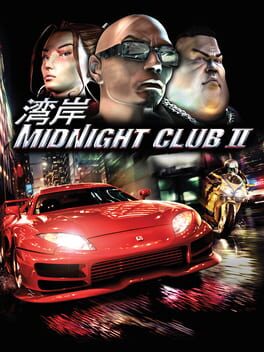
High‑octane street racing across LA, Paris, and Tokyo with online multiplayer action.
Alternatives to The Need for Speed
View all →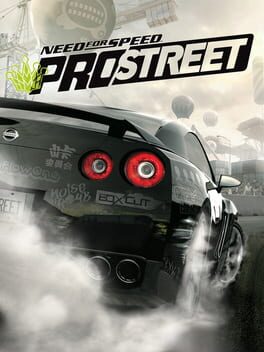

Experience realistic racing thrills with authentic car handling and immersive tracks.
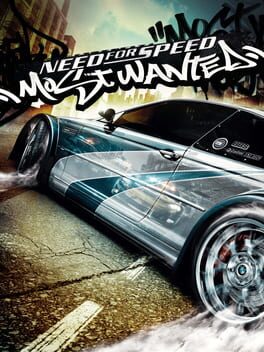
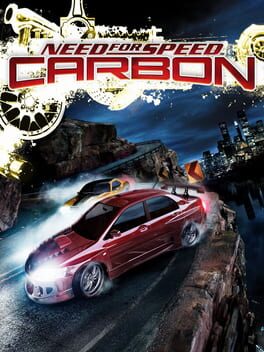
The Verdict
AI-generated from listing dataProduct B offers higher critical acclaim and a lower price, while Product A provides more cars, city variety, and split‑screen multiplayer, but at a higher cost and lower ratings.
Key differences
- •Product B is cheaper ($49.99 vs $59.99) and has a higher critic score (77 vs 60).
- •Product A includes split‑screen multiplayer for up to eight players; Product B’s multiplayer details are less specific.
- •Product A features three distinct U.S. city environments and over 40 licensed cars; Product B’s city scope and car count are not specified.
- •Product A is rated ESRB T (16+) whereas Product B is ESRB E (everyone), affecting age suitability.
- •Product A was released in 2004, making its graphics newer than Product B’s 1994 release, though both are described as dated.
Gameplay & fun factor
A offers extensive car customization (40+ cars) and three city settings, enhancing variety.
Platform availability
Both list only generic single‑player/multiplayer; no specific platforms provided.
Price & value
B costs $49.99 versus A’s $59.99, giving better price‑to‑content ratio.
Multiplayer / co‑op
A supports split‑screen and online races for up to eight players; B’s multiplayer is less detailed.
Content & replayability
A’s three cities, career mode, and split‑screen add replay value beyond B’s unspecified content.
Difficulty & accessibility
B’s ESRB E rating suggests broader accessibility than A’s ESRB T rating.
Graphics & performance
A’s 2004 engine is newer than B’s 1994 engine, though both are described as dated.
Choose Street Racing Syndicate if…
Buyers who want deep car customization, multiple city environments, and robust split‑screen multiplayer, and don’t mind a higher price.
Choose The Need for Speed if…
Buyers seeking a lower‑cost, higher‑rated game with broader age suitability and simpler multiplayer needs.
Common questions
Which game is cheaper?
Product B costs $49.99, while Product A costs $59.99.
Which has better critical reception?
Product B has a critic score of 77/100, compared to Product A’s 60/100.
Can I play with friends locally?
Product A supports split‑screen multiplayer for up to eight players; Product B’s local multiplayer is not specified.