



Shock Wave 2: Beyond the Gate vs Starflight
Side-by-side comparison of features, pricing, ratings, and alternatives.
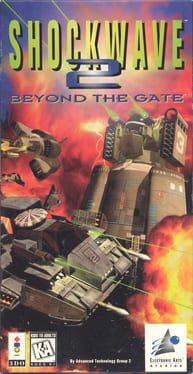
In Shock Wave 2: Beyond the Gate you command Captain Flint and his crew aboard the Cortez, chasing alien thieves through a mysterious jumpgate. Explore six star systems, scan planets for mission sites, and choose the right weapons and equipment for each encounter. The game offers three distinct craft—a fighter, a hovercraft, and a stationary turret—to tackle varied missions, while wreckage analysis lets you craft ever‑more powerful gear. Live‑action cut‑scenes drive a sci‑fi story that unfolds across dozens of tactical missions.
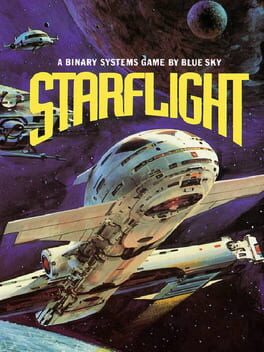
Set in the year 4620, Starflight puts you in command of a starship as you traverse a procedurally generated galaxy. The game blends open‑ended exploration, resource mining, ship combat, and alien diplomacy without a fixed storyline, letting you shape your own adventure.\nAs you chart new worlds, you gradually uncover a looming threat: an ancient race causing stars to flare and annihilate life. Your choices determine how you confront this cosmic danger and what legacy you leave among the stars.
- Rich sci‑fi storyline with live‑action cut‑scenes
- Three distinct craft types for varied gameplay
- Deep upgrade system based on alien salvage
- Retro 1995 graphics charm fans of classic games
- Open-ended gameplay encourages creativity
- Rich blend of mining, combat, and diplomacy
- Deep sci‑fi narrative that unfolds gradually
- Retro charm with classic 1980s aesthetics
- Limited to single‑player only
- Graphics are dated by modern standards
- Interface can feel clunky compared to contemporary titles
- Steep learning curve for new players
- Limited save system in original versions
- Graphics may feel dated to modern eyes
More alternatives & similar tools
Alternatives to Shock Wave 2: Beyond the Gate
View all →

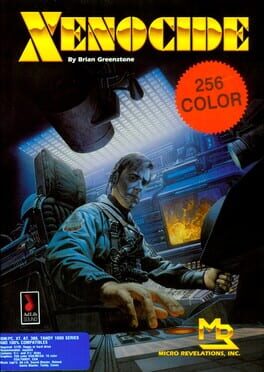
Explore the galaxy, mine resources, and uncover ancient mysteries in a 4620 sci‑fi adventure
Alternatives to Starflight
View all →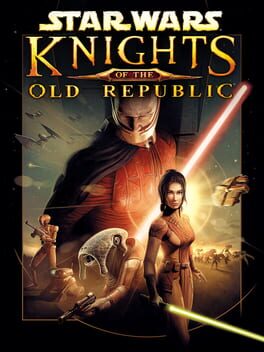
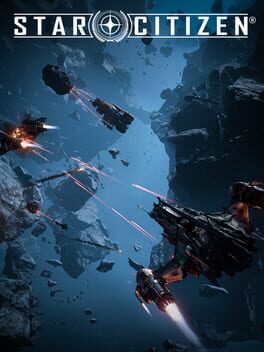
Explore the vast verse, trade, fight, and live out your sci-fi dreams in this open-world space MMO.
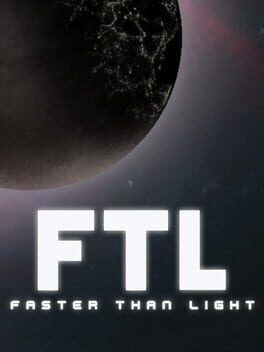
Command a rogue spaceship through a deadly, procedurally generated galaxy.
The Verdict
AI-generated from listing dataShock Wave 2 offers a story‑driven, single‑player shooter with three craft types at $49.99, while Starflight provides open‑ended exploration and role‑playing at $19.99.
Key differences
- •Gameplay focus: Shock Wave 2 is a mission‑based shooter; Starflight is a sandbox exploration/RPG.
- •Price: Shock Wave 2 costs $49.99; Starflight costs $19.99.
- •Craft variety vs. ship customization: Shock Wave 2 gives three fixed craft; Starflight lets you upgrade a single ship and switch roles.
- •Narrative delivery: Shock Wave 2 uses live‑action cut‑scenes; Starflight unfolds an emergent story through exploration.
- •Multiplayer: Both are single‑player only, but Starflight mentions a revived Sega version, indicating broader platform legacy.
Gameplay & fun factor
Starflight’s open‑ended galaxy, mining, diplomacy and role‑switching offers more varied long‑term fun than Shock Wave 2’s fixed missions.
Platform availability
Starflight lists multiple platforms including classic Mac and a Sega Mega Drive/Genesis version; Shock Wave 2’s platform not specified.
Price & value
Starflight is $19.99 versus Shock Wave 2’s $49.99, giving more content per dollar.
Multiplayer / co‑op
Both are single‑player only.
Content & replayability
Procedurally generated galaxy and emergent storyline in Starflight promote replay; Shock Wave 2 has six fixed star systems.
Difficulty & accessibility
Shock Wave 2’s shooter mechanics are likely less steep than Starflight’s noted steep learning curve.
Graphics & performance
Shock Wave 2’s retro 1995 graphics are described as charming; Starflight’s 1980s aesthetics are older and may feel more dated.
Choose Shock Wave 2: Beyond the Gate if…
Buyers who want a narrative‑driven shooter with fixed missions and are okay paying more for retro charm.
Choose Starflight if…
Buyers who prefer open‑world exploration, role‑playing depth, and lower cost.
Common questions
Which game is cheaper?
Starflight costs $19.99; Shock Wave 2 costs $49.99.
Do either games support multiplayer?
Both are single‑player only.
Which offers more replay value?
Starflight’s procedurally generated galaxy and emergent storyline give higher replayability than Shock Wave 2’s six fixed star systems.