



Rampage 2: Universal Tour vs Rampage: Total Destruction
Side-by-side comparison of features, pricing, ratings, and alternatives.
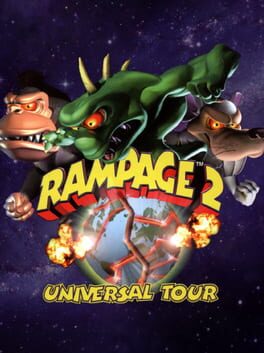
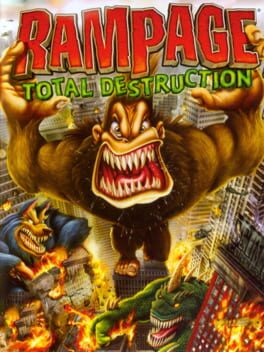
Players choose one of the original monsters—George, Lizzie, or Ralph—and embark on rescue missions across iconic cities. After freeing the trio, the world faces an alien invasion, forcing the monsters to defend Earth, rescue a cyclops alien, and chase the invaders into space. The game expands the classic Rampage formula with new monsters, interplanetary levels, and split‑screen multiplayer, letting friends wreak havoc together while competing for destruction scores.
Rampage: Total Destruction lets players wreak havoc across global cities in a campaign mode that unlocks new locations as you demolish them. The game also features competitive King of the City and King of the World modes where up to four players battle for district control, plus a fast‑paced time trial to clear all districts before the clock runs out. With split‑screen support on PlayStation 2, friends can join the destruction in local multiplayer, combining the series’ signature comedy with action‑packed fighting gameplay for a party‑style experience.
- Classic Rampage formula with fresh alien storyline
- Split-screen multiplayer encourages local co‑op fun
- Variety of locations from cities to outer space
- Unlockable new monsters add replay value
- Entertaining local multiplayer
- Variety of game modes keep play fresh
- Humorous and cartoony presentation
- Easy to pick up for casual gamers
- Graphics are dated compared to modern titles
- Limited platform availability (PC only)
- AI can be inconsistent in single‑player mode
- Limited to PlayStation 2 platform
- Graphics are dated by modern standards
- Multiplayer restricted to split‑screen only
More alternatives & similar tools
Alternatives to Rampage 2: Universal Tour
View all →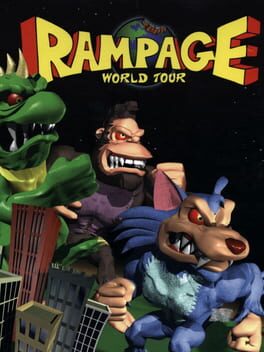
Smash cities, dominate districts, and race the clock in chaotic multiplayer mayhem.
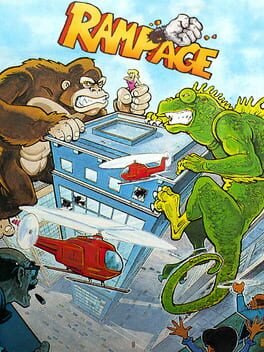
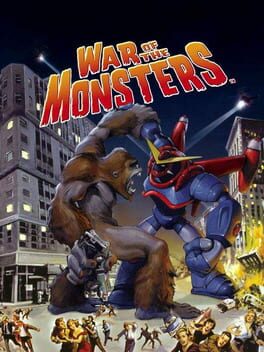
Step into the shoes of a 100‑foot monster and smash cities in 1950s sci‑fi chaos
Alternatives to Rampage: Total Destruction
View all →
The Verdict
AI-generated from listing dataRampage: Total Destruction (B) offers higher critic scores, more game modes and a friendlier rating, but only on PS2; Rampage 2: Universal Tour (A) runs on PC, adds new monsters and space levels, though with older graphics.
Key differences
- •Platform: A is PC‑only; B is PlayStation 2‑only.
- •Release era & graphics: A (1999) has dated graphics; B (2006) is newer but still dated by modern standards.
- •Content scope: A adds new monsters and outer‑space levels; B focuses on varied multiplayer modes and humor.
- •Rating: A is ESRB T; B is ESRB E10+.
- •Critic reception: A scored 42/100; B scored 51/100.
Gameplay & fun factor
B includes multiple multiplayer modes (King of the City/World, Time Trial) and comedic tone, enhancing party fun.
Platform availability
A runs on PC, giving access to players without a PS2; B is limited to PS2 hardware.
Price & value
Both cost $19.99 one‑time, offering comparable monetary value.
Multiplayer / co‑op
B supports up to four players in competitive modes; A only supports split‑screen two‑player.
Content & replayability
A adds new monsters, city and space locations, and unlockable alien bases, extending solo replay.
Difficulty & accessibility
B’s E10+ rating and pick‑up‑play design make it more accessible to younger or casual players.
Graphics & performance
B, released later (2006), has slightly newer graphics than A’s 1999 visuals, though both are dated.
Choose Rampage 2: Universal Tour if…
PC owners who want solo depth, new monsters, and space levels.
Choose Rampage: Total Destruction if…
PS2 owners seeking varied party modes and a lower age rating.
Common questions
Can I play either game on modern consoles?
No; A is PC‑only (1999) and B is PS2‑only (2006); neither has a modern console release.
Which game offers more multiplayer participants?
Rampage: Total Destruction (B) supports up to four players in competitive modes; A only supports two‑player split‑screen.
Is there any difference in price?
Both are priced at $19.99 one‑time, so cost is identical.