



Paper Mario: Sticker Star vs Paper Mario: The Thousand-Year Door
Side-by-side comparison of features, pricing, ratings, and alternatives.
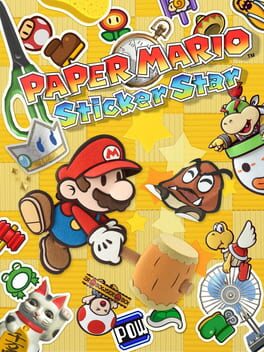
Mario teams up with the sticker fairy Kersti to recover scattered Royal Stickers after Bowser’s prank at Sticker Fest. Explore vibrant 3D worlds—from prairies to volcanoes—using stickers as both combat tools and puzzle solutions.
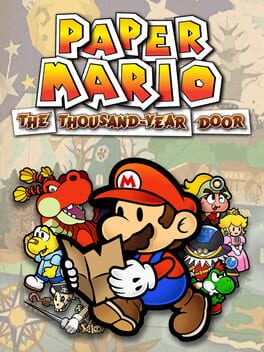
Paper Mario: The Thousand-Year Door is a turn‑based role‑playing game and the second entry in the Paper Mario series. Set in a whimsical world that looks like paper, players guide Mario through themed locations, solving puzzles and battling enemies with a timing‑based combat system that rewards well‑timed button presses. The story follows Mario’s quest to collect seven Crystal Stars, rescue Princess Peach from the alien X‑Nauts, and uncover the mystery behind the fabled Thousand‑Year Door, all while recruiting quirky companions and equipping badges for new abilities.
- Creative sticker‑based combat system
- Charming paper‑cutout art style
- Varied environments keep exploration fresh
- Humorous writing appeals to all ages
- Engaging story with charming humor
- Deep badge customization system
- Varied party members with unique abilities
- Beautiful paper‑style visuals
- Limited depth compared to traditional RPGs
- Sticker management can feel repetitive
- No multiplayer or co‑op options
- Single‑player only limits replay with friends
- Combat can feel repetitive after extended play
- Some puzzles rely heavily on specific badge combos
More alternatives & similar tools
Alternatives to Paper Mario: Sticker Star
View all →
A paper‑crafted RPG adventure where timing and humor unlock the secrets behind the Thousand‑Year Door.
A comedic RPG adventure where brothers team up with Bowser to rescue Peach.
Alternatives to Paper Mario: The Thousand-Year Door
View all →A comedic RPG adventure where brothers team up with Bowser to rescue Peach.
A comedic RPG where you battle inside Bowser’s belly and the Mushroom Kingdom alike
Time‑traveling brothers team up with their babies to save the kingdom
The Verdict
AI-generated from listing dataPaper Mario: The Thousand-Year Door offers deeper RPG mechanics and higher critical acclaim, while Sticker Star is a lighter, sticker‑based adventure with a higher price.
Key differences
- •Combat system: timing‑based badge attacks vs. sticker‑based attacks
- •Depth: badge customization and party members vs. limited sticker management
- •Critical reception: 90/100 vs. 79/100
- •Price: $39.99 vs. $59.99
- •Target audience: RPG fans vs. casual/family gamers
Gameplay & fun factor
Timing‑based combat and badge customization provide richer RPG experience than Sticker Star's simpler sticker system.
Platform availability
Both are single‑player Nintendo titles; no platform differences specified.
Price & value
Thousand-Year Door costs $39.99 versus Sticker Star's $59.99, offering more content for less money.
Multiplayer / co‑op
Both are single‑player only; no multiplayer options for either.
Content & replayability
Longer story, varied party members, and badge combos give more replay value than Sticker Star's limited depth.
Difficulty & accessibility
Sticker Star’s sticker system is simpler and rated PEGI 3, making it more accessible for younger players.
Graphics & performance
Both use paper‑style visuals; no performance data provided to differentiate.
Choose Paper Mario: Sticker Star if…
Casual or family gamers preferring a simple, kid‑friendly experience despite higher cost.
Choose Paper Mario: The Thousand-Year Door if…
RPG enthusiasts seeking deeper combat, customization, and better value.
Common questions
Which game is cheaper?
Paper Mario: The Thousand-Year Door is $39.99, while Sticker Star is $59.99.
Is there any multiplayer?
Both titles are single‑player only.
Which has higher critical acclaim?
The Thousand-Year Door has a critic score of 90/100, compared to Sticker Star's 79/100.