



Kerbal Space Program vs Space Engineers
Side-by-side comparison of features, pricing, ratings, and alternatives.
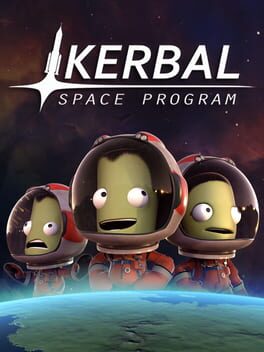
Take charge of the Kerbal space program, designing and launching spacecraft using realistic aerodynamic and orbital physics. Assemble parts, manage resources, and guide your crew to orbit, moons, and distant planets. Explore the Kerbol system, construct bases and space stations, and experiment with advanced missions while learning real-world science concepts in a fun, open‑world environment.
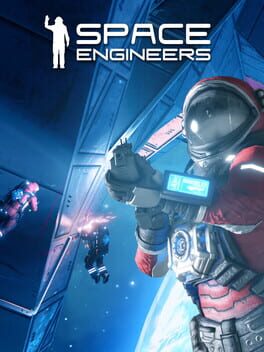
Space Engineers is a sandbox game that puts engineering, construction, and maintenance of space works at its core. Players can design and assemble ships, stations, and mining rigs of any size, then pilot them across the cosmos or set them to harvest asteroids. The game features a realistic volumetric physics engine where every component can be assembled, damaged, or destroyed, offering deep single‑player, co‑op, and multiplayer experiences for both civilian and military projects.
- Highly realistic physics that reward learning.
- Extensive mod community adds endless content.
- Deep career mode with clear progression.
- Cross‑platform availability on all major systems.
- Deep building and engineering tools
- Realistic physics adds immersion
- Strong modding community
- Supports both solo and multiplayer play
- Steep learning curve for beginners.
- Single‑player only; no native multiplayer.
- Performance can vary on lower‑end hardware.
- Steep learning curve for newcomers
- Performance can suffer with large builds
- Limited narrative content
More alternatives & similar tools
Alternatives to Kerbal Space Program
View all →Alternatives to Space Engineers
View all →Build rockets, explore space, and keep Kerbals alive in a realistic sandbox simulator.


The Verdict
AI-generated from listing dataKerbal Space Program offers a single‑player, physics‑heavy career sandbox at a lower price, while Space Engineers adds multiplayer, voxel building and higher price.
Key differences
- •Kerbal focuses on realistic orbital physics and a structured career mode; Space Engineers uses block‑based voxel construction and sandbox survival.
- •Multiplayer: Kerbal is single‑player only; Space Engineers supports both online co‑op and competitive play.
- •Price: Kerbal costs $39.99 versus Space Engineers at $59.99.
- •Modding: Both have strong mod APIs, but Kerbal’s community is noted for endless content specifically for rockets and missions.
- •Content focus: Kerbal emphasizes mission planning and scientific goals; Space Engineers emphasizes mining, engineering, and planetary exploration.
Gameplay & fun factor
Kerbal’s career mode provides clear progression and scientific goals, appealing to players who enjoy structured missions.
Platform availability
Kerbal lists cross‑platform support for PC, Mac, Linux, and consoles; Space Engineers only mentions PC platforms.
Price & value
Kerbal costs $39.99 versus Space Engineers $59.99, giving more content per dollar for solo players.
Multiplayer / co‑op
Space Engineers includes single‑player, multiplayer and co‑op modes; Kerbal is single‑player only.
Content & replayability
Both have extensive mod communities and sandbox freedom, offering comparable long‑term replay value.
Difficulty & accessibility
Both have steep learning curves, but Kerbal’s tutorials and career guidance are slightly more beginner‑friendly.
Graphics & performance
Space Engineers notes performance can suffer with large builds, but its voxel graphics are more modern than Kerbal’s older engine.
Choose Kerbal Space Program if…
Solo players who want realistic space physics, career progression, and lower cost.
Choose Space Engineers if…
Players seeking multiplayer, voxel building, mining, and planetary exploration despite higher price.
Common questions
Which game is cheaper?
Kerbal Space Program costs $39.99; Space Engineers costs $59.99.
Can I play with friends?
Only Space Engineers offers multiplayer and co‑op modes; Kerbal is single‑player only.
Which game has a stronger focus on realistic orbital mechanics?
Kerbal Space Program emphasizes accurate aerodynamic and orbital physics with career‑mode mission planning.