



James Cameron's Avatar: The Game vs Metal Gear Rising: Revengeance
Side-by-side comparison of features, pricing, ratings, and alternatives.


Step into the shoes of Able Ryder, a signals specialist turned Avatar hybrid, and explore the lush, alien world of Pandora. Experience a narrative that lets you decide whether to aid the RDA corporation or join the Na'vi in their fight for survival. The game blends third‑person shooting, adventure exploration, and science‑fiction storytelling across single‑player, multiplayer, and split‑screen modes, delivering a cinematic experience on consoles, PC, and mobile devices.
Step into the shoes of Raiden, a cybernetic ninja, as you slash through enemies with precision blade mode and explosive gunplay. The game blends fast-paced hack‑and‑slash combat with a deep narrative set in a futuristic, sci‑fi world. Experience intense boss battles, a dynamic soundtrack, and a variety of upgrade paths that let you customize your combat style. Available on PlayStation 3, PC, Mac, and Xbox 360, this single‑player title delivers a thrilling action‑adventure experience.
- Stunning Pandora environments
- Meaningful moral decision system
- Robust multiplayer options including split‑screen
- Cross‑platform availability
- Exhilarating combat system
- Stunning visual style
- Deep upgrade customization
- Engaging storyline
- Graphics dated by modern standards
- Repetitive mission structure in later levels
- Limited character customization beyond weapons
- Limited multiplayer options
- Linear level design
- Occasional performance hiccups on PC
More alternatives & similar tools
Alternatives to James Cameron's Avatar: The Game
View all →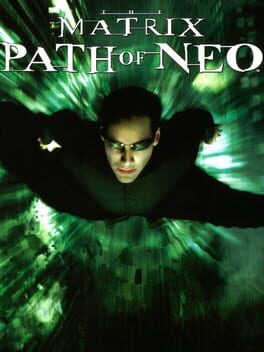
Step into Neo's shoes and rewrite the Matrix in a high‑octane action adventure
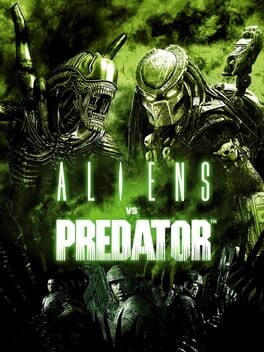

Alternatives to Metal Gear Rising: Revengeance
View all →


Lead the Militaires Sans Frontières in a high-stakes stealth adventure.

The Verdict
AI-generated from listing dataMetal Gear Rising: Revengeance offers tighter, high‑octane single‑player combat with a higher critic score, while Avatar: The Game adds multiplayer and moral choices but feels dated.
Key differences
- •Combat focus: Revengeance centers on fast, blade‑centric melee; Avatar mixes ranged, melee and Na'vi abilities.
- •Multiplayer: Avatar includes split‑screen and online co‑op; Revengeance is single‑player only.
- •Critical reception: Revengeance 85/100 vs Avatar 61/100.
- •Release era & graphics: Revengeance (2013) generally newer visuals than Avatar (2009, noted as dated).
- •Narrative depth: Revengeance ties into Metal Gear story; Avatar adds moral decision system affecting alignment.
Gameplay & fun factor
Revengeance’s praised exhilarating combat and upgrade depth (critic 85) outweigh Avatar’s mixed combat and repetitive missions.
Platform availability
Avatar supports cross‑platform play on PS3, Xbox 360, PC, Android; Revengeance platform list not provided.
Price & value
Both cost $59.99 one‑time; value depends on preferred features.
Multiplayer / co‑op
Avatar includes single‑player, multiplayer and split‑screen; Revengeance is single‑player only.
Content & replayability
Avatar’s moral choices and multiplayer extend replay; Revengeance is linear with limited replay hooks.
Difficulty & accessibility
Revengeance’s skill‑based blade mode offers clear mastery path; Avatar’s difficulty not specified.
Graphics & performance
Revengeance noted for high‑definition graphics and smooth frame rates; Avatar described as dated graphics.
Choose James Cameron's Avatar: The Game if…
Players who value multiplayer, moral choices, and cross‑platform play over cutting‑edge graphics.
Choose Metal Gear Rising: Revengeance if…
Players who want a polished, fast‑paced single‑player action experience with strong critical acclaim.
Common questions
Do either of these games have online multiplayer?
Avatar includes multiplayer and split‑screen modes; Revengeance is single‑player only.
Which game received better reviews?
Metal Gear Rising: Revengeance has a critic score of 85/100, versus Avatar’s 61/100.
Are the graphics still good on modern PCs?
Revengeance (2013) is described as high‑definition with smooth frame rates; Avatar (2009) is noted as dated by modern standards.