



Harvest Moon: A New Beginning vs Harvest Moon: Back to Nature
Side-by-side comparison of features, pricing, ratings, and alternatives.
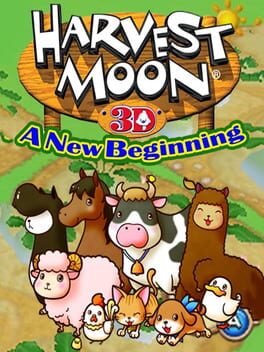
As the new farmer in Echo Village, you must restore a once‑thriving community by cultivating crops, raising animals, and gathering resources. The game blends classic Harvest Moon charm with deep town‑building mechanics, letting you shape the future of the village. Beyond farming, you can befriend villagers, uncover hidden blueprints, and even get married, creating a personalized story of renewal and growth.
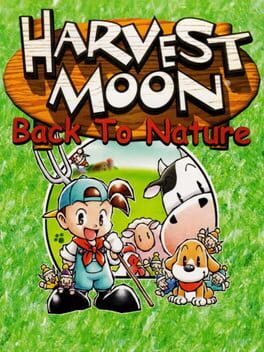
Take over a neglected farm and transform it into a thriving homestead. Plant crops, raise livestock, and interact with villagers across four seasons to meet the three‑year deadline. Beyond farming, you’ll attend festivals, build relationships, and expand your property, all while experiencing a charming story of legacy and community.
- Deep town‑building mechanics
- Rich character interactions
- Varied farming activities
- Relaxing pacing
- Deep farming mechanics with seasonal variety
- Rich NPC interactions and festivals
- Clear three‑year objective adds purpose
- Nostalgic retro graphics and music
- Limited to single‑player
- Graphics are dated on modern screens
- No online features
- Limited to single‑player experience
- Controls feel dated on modern hardware
- No save‑anywhere feature; must rely on in‑game saves
More alternatives & similar tools
Alternatives to Harvest Moon: A New Beginning
View all →
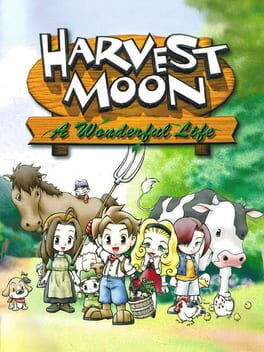
Live, love, and farm through an entire lifetime in Forget-Me-Not Valley
Revive your grandfather's farm and win the town's heart in three years
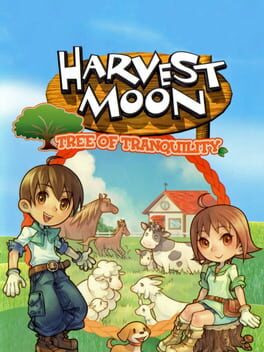
Restore a forgotten island by farming, friendships, and family.
Alternatives to Harvest Moon: Back to Nature
View all →
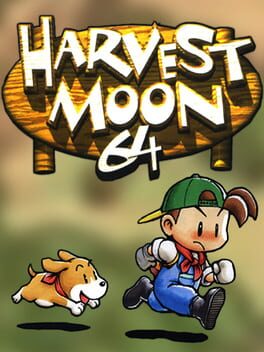
Retire to the countryside and rebuild a thriving farm in this classic N64 simulation
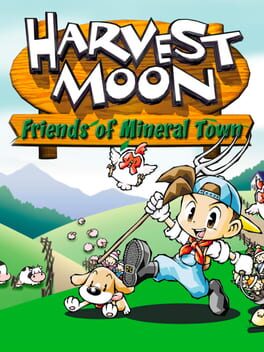
Turn a neglected field into a thriving farm in this classic RPG simulation.
The Verdict
AI-generated from listing dataHarvest Moon: A New Beginning offers a richer, modern handheld experience with extensive town‑building at a higher price, while Harvest Moon: Back to Nature provides a nostalgic, budget‑friendly classic with a defined three‑year goal.
Key differences
- •Platform: A runs on Nintendo 3DS; B is an older title (1999) with unspecified modern platform.
- •Price: A costs $59.99; B costs $19.99.
- •Content scope: A includes flexible farm layout, children, and broader town mechanics; B centers on a three‑year timeline and fewer building options.
- •Graphics era: A’s 3DS graphics appear dated on current screens; B uses retro graphics designed for its original hardware.
- •Release date: A released in 2012, B in 1999, affecting compatibility and support.
Gameplay & fun factor
A adds livestock variety, town‑building, marriage with children, and flexible farm layout, expanding play options.
Platform availability
A is available on the current Nintendo 3DS handheld; B’s platform is older and not specified for modern devices.
Price & value
B costs $19.99 versus A’s $59.99, offering substantially lower upfront cost.
Multiplayer / co‑op
Both titles are single‑player only.
Content & replayability
A’s open‑ended town building, children, and broader activity set give longer replay potential than B’s fixed three‑year cycle.
Difficulty & accessibility
B’s controls are described as dated, potentially harder for new players; A’s modern handheld controls are more accessible.
Graphics & performance
Both are considered dated: A on modern screens, B as retro graphics; neither offers contemporary visual fidelity.
Choose Harvest Moon: A New Beginning if…
Buyers who want a modern handheld, deeper town‑building, and are willing to pay premium.
Choose Harvest Moon: Back to Nature if…
Buyers on a budget seeking nostalgic retro gameplay with a clear three‑year goal.
Common questions
Which game is cheaper?
Harvest Moon: Back to Nature costs $19.99; Harvest Moon: A New Beginning costs $59.99.
Do either of these support multiplayer?
Both are single‑player only.
Which offers more long‑term content?
A New Beginning provides broader town‑building, children, and flexible farming, giving more replay value than the fixed three‑year timeline of Back to Nature.