



Harvest Moon 2 GBC vs Harvest Moon: Back to Nature
Side-by-side comparison of features, pricing, ratings, and alternatives.
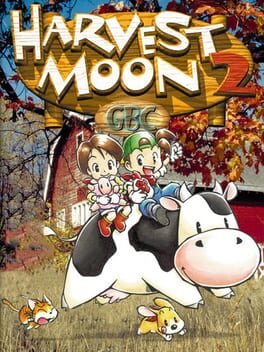
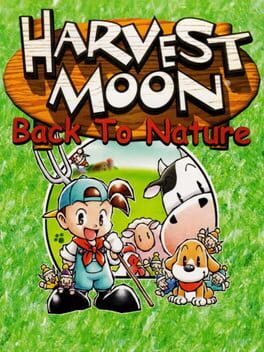
Harvest Moon 2 GBC puts you in charge of an abandoned farm with a three‑year deadline. Choose to play as a boy or a girl and manage crops, livestock, and relationships to revive the land. The game blends role‑playing, simulation, and sandbox elements, challenging you to balance daily chores with long‑term planning while enjoying the charming pixel art of the Game Boy Color era.
Take over a neglected farm and transform it into a thriving homestead. Plant crops, raise livestock, and interact with villagers across four seasons to meet the three‑year deadline. Beyond farming, you’ll attend festivals, build relationships, and expand your property, all while experiencing a charming story of legacy and community.
- Deep farming mechanics for a handheld title
- Charming retro graphics and music
- Multiple character options
- Clear three‑year objective adds purpose
- Deep farming mechanics with seasonal variety
- Rich NPC interactions and festivals
- Clear three‑year objective adds purpose
- Nostalgic retro graphics and music
- Limited content compared to modern titles
- No save‑anywhere feature; relies on battery saves
- Multiplayer support is minimal
- Limited to single‑player experience
- Controls feel dated on modern hardware
- No save‑anywhere feature; must rely on in‑game saves
More alternatives & similar tools
Alternatives to Harvest Moon 2 GBC
View all →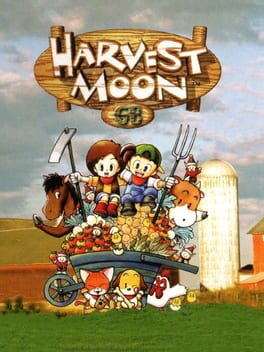
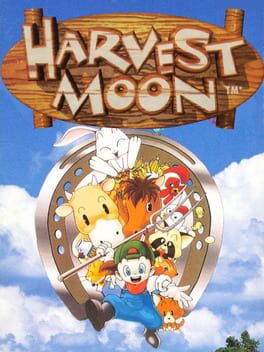
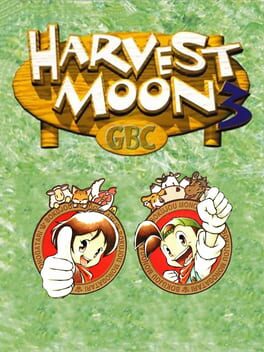
Revive your grandfather's farm and win the town's heart in three years
Alternatives to Harvest Moon: Back to Nature
View all →
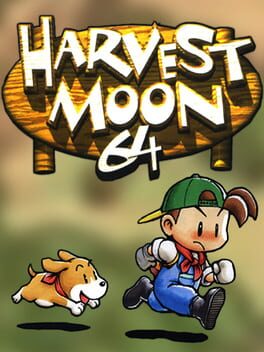
Retire to the countryside and rebuild a thriving farm in this classic N64 simulation
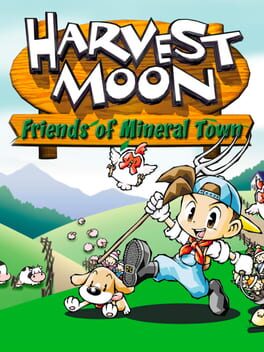
Turn a neglected field into a thriving farm in this classic RPG simulation.
The Verdict
AI-generated from listing dataHarvest Moon 2 GBC offers handheld multiplayer and a classic Game Boy Color experience, while Harvest Moon: Back to Nature provides a richer single‑player world on a home console with more festivals and events.
Key differences
- •Multiplayer support: A includes multiplayer mode; B is single‑player only.
- •Platform focus: A is a Game Boy Color title (handheld); B is a console/PC title (home system).
- •Festival content: B lists specific town festivals (Tomato Festival, Fireworks Display); A does not mention festivals.
- •Release timing: A launched August 1999; B launched December 1999, reflecting slightly later content updates.
Gameplay & fun factor
B adds town festivals and broader NPC events, increasing variety beyond A's core farming loop.
Platform availability
A runs on Game Boy Color, offering portable play; B is limited to home consoles/PC.
Price & value
B lists an MSRP of $19.99; A provides no price, making B’s cost transparent.
Multiplayer / co‑op
A includes both single‑player and multiplayer modes; B is single‑player only.
Content & replayability
B mentions multiple festivals and expanded NPC interactions, offering more repeatable activities.
Difficulty & accessibility
Both are rated ESRB E and share similar three‑year timelines; no data on difficulty differences.
Graphics & performance
A uses vibrant Game Boy Color pixel art; B’s graphics are retro console style but not detailed in facts.
Choose Harvest Moon 2 GBC if…
Buy A if you want portable play and multiplayer on a handheld.
Choose Harvest Moon: Back to Nature if…
Buy B if you prefer richer single‑player content and festivals on a home system.
Common questions
Does either game support saving anywhere?
Both rely on in‑game saves; A uses battery saves, B uses standard in‑game saves.
Is there a price difference?
B lists an MSRP of $19.99; A’s price is not specified.
Can I play with friends?
Only Harvest Moon 2 GBC (A) includes a multiplayer mode; Back to Nature (B) is single‑player only.