



Gekido vs Gekido Advance: Kintaro's Revenge
Side-by-side comparison of features, pricing, ratings, and alternatives.
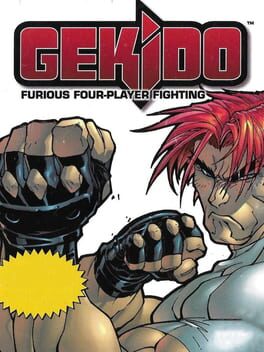
Gekido is a gritty beat 'em up for the PlayStation that drops you into a neon‑lit cityscape teeming with bosses and colorful enemies. Featuring music from Fatboy Slim and Apartment 26, the game blends frantic combat with a comic‑book aesthetic crafted by Joe Madureira. The title supports single‑player, multiplayer and co‑operative modes, letting you team up with sidekicks Michelle, Ushi and Tetsuo to rescue the kidnapped girl Angela. A Game Boy Color version and a GBA spin‑off followed, cementing its cult status among retro action fans.
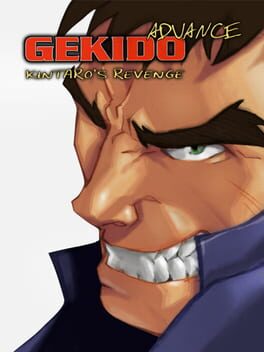
A year after the battle that claimed Angela, the world faces a new evil. Ushi, the last master of Shin‑Ken, summons his disciple Tetsuo to investigate ominous events in a remote farming village. Players battle through hordes of foes using fast‑paced combat and classic beat‑em‑up mechanics. The game blends intense action with a storyline of vengeance and mastery of ancient martial arts, delivering a single‑player experience that challenges reflexes and timing.
- High energy combat with satisfying combos
- Memorable boss designs and variety
- Strong comic‑book visual style
- Co‑op mode adds replay value
- Engaging hack‑and‑slash combat
- Compelling revenge storyline
- Responsive controls
- Rich pixel‑art visuals
- Limited camera control can obscure enemies
- Occasional frame‑rate drops on original hardware
- Story is minimal and delivered through brief cutscenes
- Limited to single‑player mode
- Short overall campaign length
- No modern platform releases
More alternatives & similar tools
Alternatives to Gekido
View all →
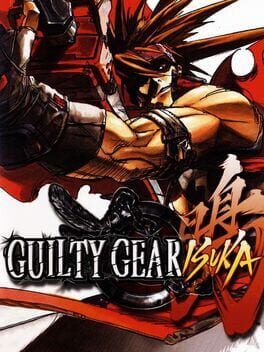
Co‑op fighting madness with up to four players in Guilty Gear’s beat‑em‑up twist.
Alternatives to Gekido Advance: Kintaro's Revenge
View all →The Verdict
AI-generated from listing dataGekido offers co‑op beat‑em‑up action with multiple characters and difficulty settings, while Gekido Advance delivers a single‑player, story‑driven hack‑and‑slash experience on handheld hardware.
Key differences
- •Multiplayer: Gekido supports two‑player co‑op; Gekido Advance is single‑player only.
- •Platform: Gekido runs on PC/console (original hardware); Gekido Advance is a Game Boy Advance title.
- •Character variety: Gekido has four playable fighters; Gekido Advance features only one protagonist.
- •Story depth: Advance emphasizes a revenge narrative; Gekido’s story is minimal, delivered via brief cutscenes.
- •Price info: Advance lists a $19.99 MSRP; Gekido’s price is not specified.
Gameplay & fun factor
Gekido provides four characters, combo chains, and co‑op combat, offering more variety than the single‑character focus of Advance.
Platform availability
Gekido runs on PC/console hardware, while Advance is limited to the Game Boy Advance handheld.
Price & value
Advance’s MSRP is $19.99; Gekido’s price is not disclosed, preventing a direct cost comparison.
Multiplayer / co‑op
Gekido includes two‑player co‑op; Advance offers only single‑player.
Content & replayability
Gekido features multiple difficulty levels, four characters, and boss variety, giving higher replay value than Advance’s short solo campaign.
Difficulty & accessibility
Gekido lists multiple difficulty settings; Advance provides no explicit difficulty options.
Graphics & performance
Gekido boasts comic‑book art and licensed soundtrack but notes occasional frame‑rate drops; Advance delivers stable pixel‑perfect handheld graphics.
Choose Gekido if…
Players who want co‑op beat‑em‑up action, multiple characters, and varied difficulty.
Choose Gekido Advance: Kintaro's Revenge if…
Players seeking a handheld, story‑focused hack‑and‑slash with pixel‑art style.
Common questions
Does either game support multiplayer?
Gekido includes two‑player co‑op; Gekido Advance is single‑player only.
What platforms can I play these on?
Gekido runs on PC/console (original hardware); Gekido Advance is for the Game Boy Advance handheld.
Which game offers more replay value?
Gekido, with four characters, multiple difficulty settings, and co‑op mode, provides greater replayability than Advance’s short solo campaign.