



Final Fight Revenge vs Final Fight
Side-by-side comparison of features, pricing, ratings, and alternatives.
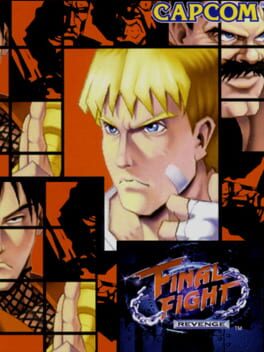
Final Fight Revenge is a 1999 3D one-on-one fighting game developed by Capcom USA for arcade hardware running on the Sega ST-V board. Players can select from a roster of iconic characters from the Final Fight universe to engage in fast-paced martial arts combat. The game later received a Japan-exclusive home port for the Sega Saturn in March 2000, marking the final official Capcom release for that console. It stands out as the only sequel in the Final Fight franchise specifically built for the arcade fighting game genre.
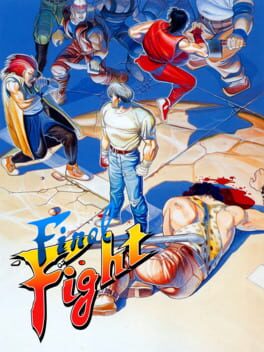
Final Fight is a classic side-scrolling beat-'em-up produced by Capcom, set in the fictional Metro City. Players control one of three distinct heroes—Cody, Guy, or Mike Haggar—as they brawl their way through six intense stages to defeat the notorious Mad Gear gang and rescue Jessica. Featuring cooperative multiplayer action, players can execute combo attacks, grab and throw enemies, wield pick-up weapons, and unleash screen-clearing special moves at the cost of health. Each round culminates in a challenging boss battle, offering an authentic arcade brawler experience.
- Features iconic characters from the classic Final Fight beat 'em up series
- Rare historical piece as Capcom USA's 1999 arcade fighting project
- Includes language options for English within the Sega Saturn port
- Brings beloved urban brawler fighters into a 3D one-on-one combat format
- Engaging cooperative multiplayer gameplay
- Three diverse characters with unique combat styles
- Challenging and memorable boss encounters
- Classic arcade beat-'em-up atmosphere
- The Sega Saturn home version was officially released exclusively in Japan
- The planned Sega Dreamcast port was ultimately cancelled during development
- Graphics and mechanics show their age compared to modern 3D fighting games
- Special moves drain player health
- Weapons have limited uses and can be lost
- Stage environments and layouts can feel repetitive
More alternatives & similar tools
Alternatives to Final Fight Revenge
View all →
Battle through the gritty streets of Metro City to rescue your brother Cody.
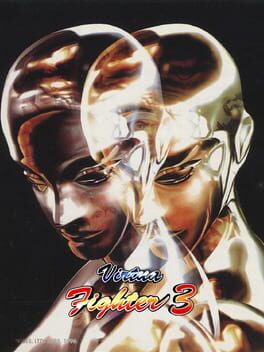
Sega's groundbreaking 3D fighting game featuring advanced graphics and multi-tiered arenas.
Alternatives to Final Fight
View all →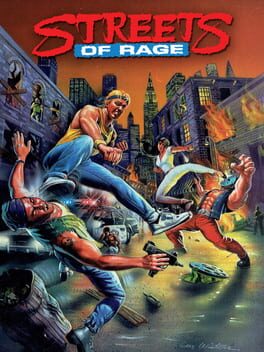
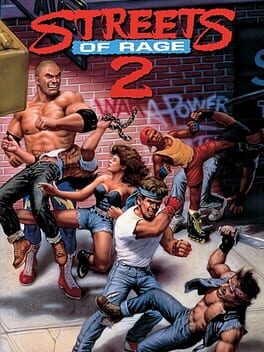
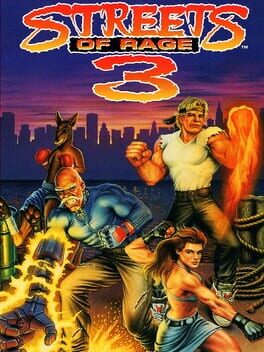
Stop Mr. X and his robot duplicates in this classic beat 'em up action game.
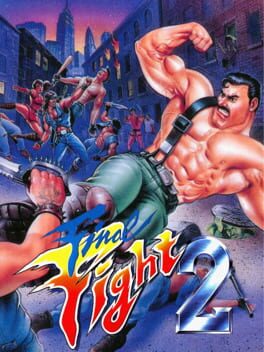
Battle the resurgent Mad Gear Gang across the globe in this classic beat 'em up.
The Verdict
AI-generated from listing dataFinal Fight offers classic side‑scrolling co‑op beat‑em‑up action, while Final Fight Revenge is a niche 3D one‑on‑one fighter with limited release.
Key differences
- •Gameplay type: side‑scrolling beat‑em‑up (A) vs. 3D one‑on‑one fighter (B).
- •Multiplayer mode: co‑op for up to 2 players (A) vs. competitive versus friends or AI (B).
- •Release & availability: widely released arcade/console (A) vs. Japan‑only Saturn version, cancelled Dreamcast (B).
- •Character roster: three distinct playable heroes (A) vs. a selection of classic characters in 3D (B).
- •Historical rarity: B is a rare 1999 arcade‑only sequel; A is a well‑known 1989 classic.
Gameplay & fun factor
A provides cooperative beat‑em‑up action with combos, weapons, and boss fights; B is limited to 1‑v‑1 matches.
Platform availability
A released broadly on arcade and later platforms; B only on Japanese Saturn and cancelled Dreamcast.
Price & value
Both are one‑time paid titles; no price differences given.
Multiplayer / co‑op
A supports cooperative play; B only offers competitive multiplayer.
Content & replayability
A has six varied rounds, weapons, and boss variety; B limited to single‑player or versus matches.
Difficulty & accessibility
B’s 3D fighter mechanics are simpler to learn than A’s health‑draining specials and weapon management.
Graphics & performance
B uses 1999 3D arcade graphics; A’s 2D retro style may feel dated but runs on any hardware.
Choose Final Fight Revenge if…
Collectors or retro fighting fans seeking a rare 1999 3D arcade title.
Choose Final Fight if…
Players who want classic co‑op beat‑em‑up fun with multiple characters and bosses.
Common questions
Do either games require additional hardware or DLC?
Both are one‑time paid titles with no DLC; B’s Saturn version only runs on that console.
Can I play with friends locally?
Yes, A supports local co‑op; B supports local versus matches but no cooperative mode.
Which game offers more variety in levels and enemies?
A provides six distinct rounds with varied enemies and bosses; B focuses on single‑stage fighting arenas.