



Family Guy Video Game! vs The Simpsons: Hit & Run
Side-by-side comparison of features, pricing, ratings, and alternatives.
The game’s standout feature is its rapid cutaway mini‑games that mirror classic TV gags, rewarding players with temporary power‑ups or invisibility. With single‑player focus, it blends platforming, shooting, and stealth elements into a comedy‑driven experience.
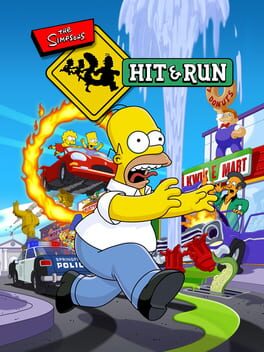
Take to the streets of Springfield as the iconic Simpson family, tackling story missions, high‑speed races, and quirky side quests. Explore three distinct districts, destroy wasp‑shaped spy cameras, collect hidden cards, and uncover secret gags while cruising in beloved vehicles from the show. The game blends platforming, racing, and comedy in a single‑player and split‑screen multiplayer experience, delivering a nostalgic yet fresh adventure for fans and newcomers alike.
- Authentic TV show humor
- Three distinct playable characters
- Varied level design
- Entertaining mini‑games
- Open‑world Springfield feels alive and detailed
- Variety of vehicles and missions keep gameplay fresh
- Humorous writing captures the show’s spirit
- Split‑screen multiplayer adds replay value
- Limited to single‑player only
- Graphics dated for modern standards
- Repetitive mini‑game structure
- Graphics are dated by modern standards
- Occasional frame‑rate drops on PC
- Limited character abilities beyond driving
More alternatives & similar tools
Alternatives to Family Guy Video Game!
View all →Drive, race, and uncover Springfield’s wacky conspiracy in an open‑world adventure.
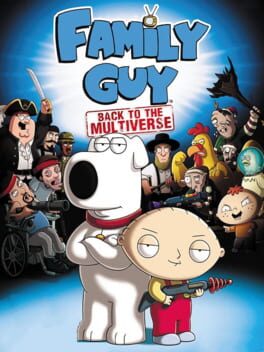
Embark on a hilarious third-person multiverse adventure with Stewie and Brian.
Alternatives to The Simpsons: Hit & Run
View all →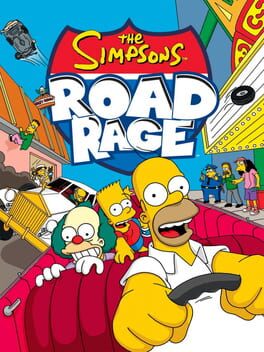
Pick up Springfield’s citizens and race the nuclear buses in chaotic, comedic mayhem.
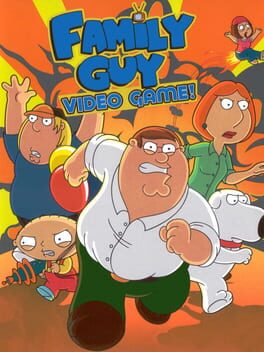
Play as Peter, Stewie, or Brian in a hilarious, cutaway‑style adventure.
The Verdict
AI-generated from listing dataThe Simpsons: Hit & Run offers open‑world driving, split‑screen co‑op and higher critical praise, while Family Guy is a single‑player, lower‑rated platform/shooter with dated graphics.
Key differences
- •Multiplayer: Hit & Run supports split‑screen co‑op; Family Guy is single‑player only.
- •Genre focus: Hit & Run is driving‑adventure; Family Guy mixes shooting, melee and platforming.
- •Critical reception: Hit & Run scored 73/100 versus Family Guy's 45/100.
- •Character variety: Hit & Run lets you drive as multiple Simpsons with different vehicles; Family Guy offers three characters with distinct abilities but no vehicle variety.
- •Release era: Hit & Run (2003) predates Family Guy (2006) but both have dated graphics; Hit & Run’s world is larger and more detailed.
Gameplay & fun factor
Hit & Run combines open‑world exploration, races, and missions; Family Guy repeats short mini‑games and mixed combat.
Platform availability
Both are PC titles; no platform data beyond that is provided.
Price & value
Both cost a one‑time fee; Hit & Run’s higher critic score and more content give better value.
Multiplayer / co‑op
Hit & Run offers split‑screen co‑op for two players; Family Guy has no multiplayer.
Content & replayability
Hit & Run features a large open world, varied vehicles, and collectibles; Family Guy has 22 levels and repetitive mini‑games.
Difficulty & accessibility
Both are rated T (Hit & Run) vs M (Family Guy); no specific difficulty data provided.
Graphics & performance
Both are noted as having dated graphics; Hit & Run may have occasional PC frame‑rate drops.
Choose Family Guy Video Game! if…
Players who prefer a single‑player, comedy‑driven platform/shooter experience.
Choose The Simpsons: Hit & Run if…
Fans who want co‑op driving fun and a richer world.
Common questions
Which game supports playing with a friend?
The Simpsons: Hit & Run includes split‑screen multiplayer for up to two players; Family Guy is single‑player only.
Which title received better reviews?
Hit & Run has a critic score of 73/100, while Family Guy scored 45/100.
Do either of the games have modern graphics?
Both are described as having dated graphics; no newer visual updates are mentioned.