



Face Noir vs Tex Murphy: Under a Killing Moon
Side-by-side comparison of features, pricing, ratings, and alternatives.
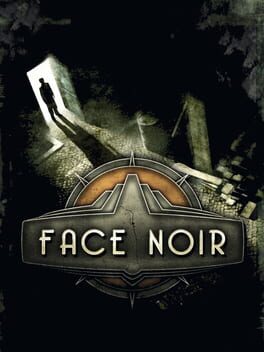
In Face Noir, private eye Jack Del Nero is framed for murder and must uncover the truth behind a mysterious little girl he protects. Set against a moody 1930s cityscape, the game blends classic point-and-click puzzles with a cinematic thriller narrative. Players navigate a world of corruption and economic uncertainty, making choices that reveal the darker depths of human nature. The game offers a richly detailed indie adventure experience, drawing inspiration from Raymond Chandler novels and Humphrey Bogart films. With its atmospheric art style and immersive storytelling, Face Noir delivers a compelling single-player mystery for fans of classic adventure games.
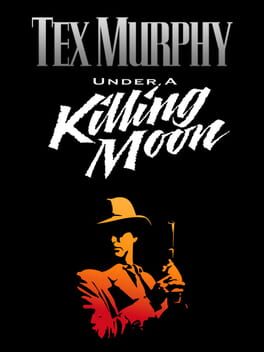
Set in a dystopian 2042, you play as private investigator Tex Murphy, navigating a rain‑slicked city to solve a murder mystery that could change the world. The game combines point‑and‑click exploration with full‑motion video and 3D environments, delivering a cinematic thriller experience for fans of classic adventure titles.
- Strong atmospheric storytelling
- Engaging noir-inspired visuals
- Thoughtful puzzle design
- Rich character interactions
- Engaging noir storyline
- High production value FMV sequences
- Rich 3D environments for exploration
- Multiple endings based on player choices
- Limited replayability after story completion
- Pacing can feel slow in early chapters
- Some dialogue options feel linear
- Aging graphics may feel dated
- Some puzzles can be obscure and require trial‑and‑error
- Limited save system forces frequent reloads
More alternatives & similar tools
Alternatives to Face Noir
View all →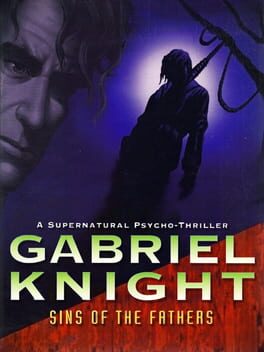
A dark, cinematic point‑and‑click mystery set in New Orleans
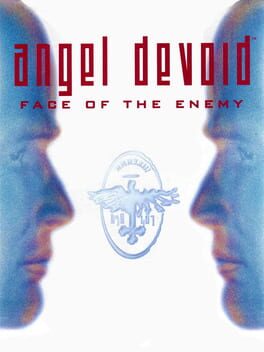
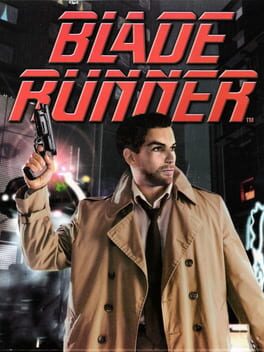
A noir cyber‑detective adventure that blends FMV with 3D puzzles
A gritty cyberpunk point-and-click action-adventure with a dynamic attitude system.
Alternatives to Tex Murphy: Under a Killing Moon
View all →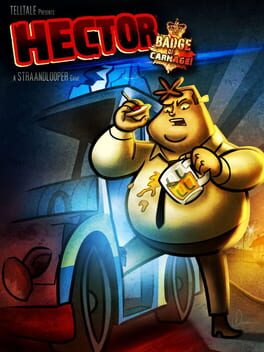
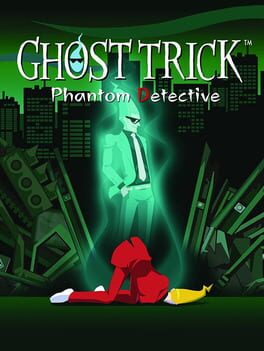
A hilariously violent point‑and‑click adventure starring a disgraced detective.

The Verdict
AI-generated from listing dataBoth are single‑player noir adventure games at the same price, but Tex Murphy offers classic FMV and multiple endings, while Face Noir provides newer hand‑drawn visuals and generally smoother puzzle design.
Key differences
- •Tex Murphy uses full‑motion video with live actors; Face Noir uses hand‑drawn 2D art.
- •Tex Murphy has multiple possible endings; Face Noir has limited replayability after story completion.
- •Tex Murphy’s puzzles are noted as obscure and require trial‑and‑error; Face Noir’s puzzles are described as thoughtful and more accessible.
- •Tex Murphy was released in 1994 with aging graphics; Face Noir was released in 2013 with more modern visuals.
Pricing & value
Both cost $19.99 as a one‑time purchase.
Gameplay & fun factor
Both are point‑and‑click noir adventures with branching dialogue and puzzle solving.
Multiplayer / co‑op
Both are single‑player only.
Content & replayability
Tex Murphy offers multiple endings based on player choices; Face Noir has limited replayability after story.
Difficulty & accessibility
Face Noir’s puzzles are described as thoughtful, while Tex Murphy’s are obscure and require trial‑and‑error.
Graphics & performance
Face Noir features hand‑drawn artwork from 2013; Tex Murphy’s 1994 FMV graphics are aging.
Platform availability
Platform information not specified for either title.
Choose Face Noir if…
Players seeking a newer indie noir with hand‑drawn art, smoother puzzles, and modern visuals.
Choose Tex Murphy: Under a Killing Moon if…
Fans of classic 90s FMV adventures who want multiple endings and can tolerate dated graphics.
Common questions
Do both games support multiple endings?
Only Tex Murphy: Under a Killing Moon offers multiple endings; Face Noir has limited replayability after the story.
Which game has more modern graphics?
Face Noir, released in 2013 with hand‑drawn artwork, while Tex Murphy’s 1994 FMV graphics are aging.
Are the puzzles in Tex Murphy harder than in Face Noir?
Tex Murphy’s puzzles are described as obscure and trial‑and‑error, whereas Face Noir’s are noted as thoughtful and more accessible.