



Eternal Champions vs Evil Zone
Side-by-side comparison of features, pricing, ratings, and alternatives.
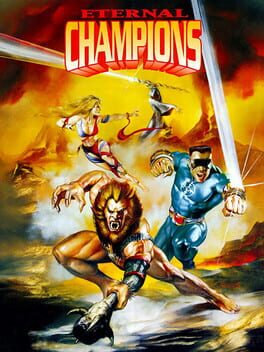

Eternal Champions is Sega's 1993 fighting game that blends classic arcade action with a deep narrative. An omniscient Eternal Champion gathers historic heroes moments before their untimely deaths to compete in a tournament that could rewrite fate. The game stands out with reflectable projectiles, force‑field mechanics, weapon‑bearing combatants, and stage‑specific Overkill finishing moves. It also features a unique training mode filled with robotic traps and supports both single‑player and split‑screen multiplayer battles.
Evil Zone is a 1999 fighting game for the PlayStation that blends classic arcade combat with a fully voiced story mode for each of its ten characters. Developed by Yuke's and published by Titus Software, the game offers a variety of modes including arcade, versus, practice, survival, and a unique narrative-driven tournament. The storyline follows a dimensional being, Ihadurca, imprisoned in the Evil Zone, as warriors from across dimensions battle to prevent her escape. Its episodic story presentation and boss character arc set it apart from other fighters of its era.
- Rich, time‑spanning character lore
- Innovative reflectable projectile system
- Varied weapon usage adds tactical depth
- Local split‑screen multiplayer support
- Unique story mode for every character
- Ten distinct fighters with varied move sets
- Multiple gameplay modes increase replay value
- Voice‑acted narrative adds immersion
- Limited to legacy platforms; no online play
- Graphics are dated by modern standards
- Balancing issues among some characters
- Graphics are dated by modern standards
- Limited to the original PlayStation hardware
- No official online multiplayer support
More alternatives & similar tools
Alternatives to Eternal Champions
View all →
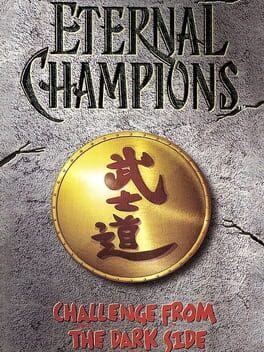
Fight across time as resurrected champions battle for a second chance.
Alternatives to Evil Zone
View all →
The Verdict
AI-generated from listing dataBoth games are classic‑style fighting titles priced the same, but Evil Zone offers deeper individual character stories while Eternal Champions provides local split‑screen play and a unique projectile‑reflect mechanic.
Key differences
- •Evil Zone gives each of its ten fighters a fully voiced, dedicated story mode; Eternal Champions offers a single tournament narrative.
- •Eternal Champions supports local split‑screen multiplayer; Evil Zone only lists multiplayer with no split‑screen detail.
- •Eternal Champions includes a reflectable projectile system and force‑field mechanics not found in Evil Zone.
- •Evil Zone is a PlayStation‑era (1999) title, whereas Eternal Champions dates to 1993 legacy platforms, affecting hardware compatibility.
Pricing & value
Both games cost $49.99, offering comparable monetary value.
Platform availability
Each is limited to legacy hardware (PlayStation for Evil Zone, unspecified older platforms for Eternal Champions).
Multiplayer / co‑op
Eternal Champions explicitly supports split‑screen local multiplayer; Evil Zone lists multiplayer but no split‑screen.
Content & replayability
Evil Zone provides a unique, fully voiced story mode for every character and the boss, increasing solo replay value.
Gameplay & fun factor
Eternal Champions adds reflectable projectiles, force fields, and weapon variety, offering more tactical depth.
Graphics & performance
Both are described as having dated graphics by modern standards.
Difficulty & accessibility
Not specified in the provided facts for either title.
Choose Eternal Champions if…
Players who want local couch co‑op and extra combat mechanics.
Choose Evil Zone if…
Players who prioritize story depth and character‑specific narratives.
Common questions
Do either of these games support online multiplayer?
No. Evil Zone has no official online multiplayer; Eternal Champions only mentions local split‑screen.
Which game offers more single‑player content?
Evil Zone, with a fully voiced story mode for each of its ten fighters plus a boss mode.
Are the graphics comparable?
Both are described as dated by modern standards, so graphics quality is essentially equal.