



Emporia Smart Plug vs Kasa Smart Wi-Fi Plug Mini EP10
Side-by-side comparison of features, pricing, ratings, and alternatives.


The Emporia Smart Plug is a WiFi-controlled outlet that adds remote switching and scheduling to any plug-in appliance, but its point of difference is measurement rather than control. It reports actual energy consumption for whatever is plugged into it, which turns a guess about what is driving your electricity bill into a number. Emporia's broader product line is home energy monitoring, and the plug feeds the same app and data model as their whole-home monitors. Practically that makes it useful for the appliances people suspect but cannot prove: a second refrigerator in the garage, a space heater, an old dehumidifier, a gaming PC, or an entertainment centre that never really turns off. Alongside monitoring it does the usual smart plug work of scheduling, remote on and off, and voice assistant integration, and it is priced close to plugs that offer no measurement at all.
The EP10 is the current compact model in Kasa's smart plug line, designed to be small enough that it does not block the second socket on a standard duplex outlet, which is the practical failing of many smart plugs. It turns any plugged-in appliance into something schedulable and voice-controllable without replacing the appliance itself. Control is through the Kasa Smart app or a voice assistant, and the plug connects directly over Wi-Fi with no hub required. Kasa, part of TP-Link, sells a full plug range around it: Matter models, slim plugs with energy monitoring such as the KP125M and EP25, outdoor plugs including the EP40A, plug-in dimmers, multi-socket power outlets and power strips like the HS300, so a household can start with one plug and extend without changing ecosystem.
- Actual energy measurement, not just remote switching
- Integrates with Emporia's whole-home monitoring for a complete picture
- Priced comparably to plugs without any monitoring capability
- Good for settling arguments about which appliance is costing money
- Small enough to leave the second outlet usable
- No hub needed, so setup is quick
- Part of a large ecosystem you can extend into
- Works with the major voice assistants
- Requires 2.4GHz WiFi and depends on the vendor's cloud service
- Only useful for plug-in loads, not hardwired appliances
- Physical size can block an adjacent outlet on some receptacles
- The Mini does not include energy monitoring, unlike the Slim models
- Requires 2.4GHz Wi-Fi, which some mesh setups complicate
- Cloud dependency means some functions need an internet connection
More alternatives & similar tools
Alternatives to Emporia Smart Plug
View all →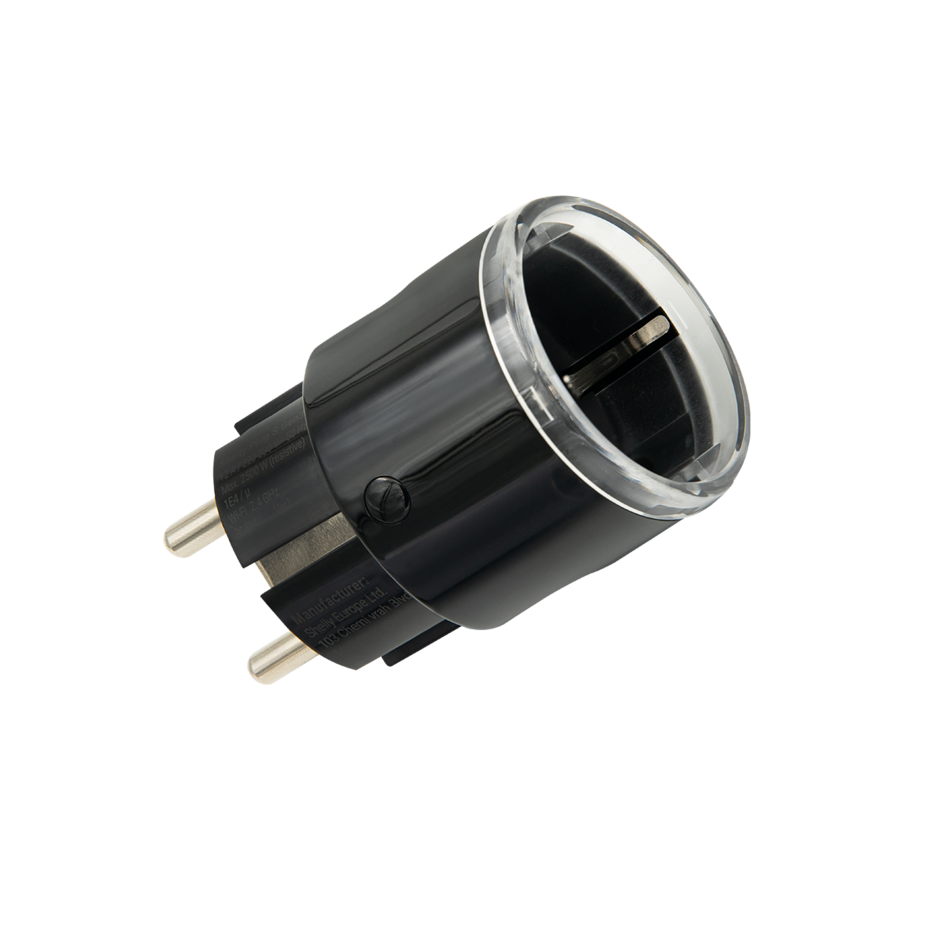
Compact smart Wi-Fi plug with power monitoring, Bluetooth and broad smart home integration.
Compact Wi-Fi smart plug that adds app and voice control to any plugged-in appliance.
Alternatives to Kasa Smart Wi-Fi Plug Mini EP10
View all →Compact smart Wi-Fi plug with power monitoring, Bluetooth and broad smart home integration.
WiFi smart plug with real energy monitoring for tracking appliance-level power use.
The Verdict
AI-generated from listing dataEmporia Smart Plug adds real‑time energy monitoring at a subscription cost, while Kasa Mini offers a cheaper, compact plug without monitoring.
Key differences
- •Energy monitoring: Emporia measures plug‑level consumption; Kasa Mini does not.
- •Pricing model: Emporia requires a paid subscription; Kasa Mini is a one‑time purchase.
- •Physical size: Emporia’s bulk can block an adjacent outlet; Kasa Mini is designed to keep the second socket usable.
- •Ecosystem fit: Emporia integrates with its whole‑home monitoring system; Kasa Mini plugs into TP‑Link’s broader smart‑home range.
- •Setup: Both need 2.4 GHz Wi‑Fi, but Kasa Mini needs no hub and has a simpler app.
Pricing & value
Kasa Mini is a one‑time purchase; Emporia adds ongoing subscription fees.
Energy monitoring
Emporia reports real‑time consumption; Kasa Mini lacks any monitoring capability.
Size & footprint
Kasa Mini’s compact body avoids blocking the adjacent outlet; Emporia can block a socket.
Features
Emporia offers energy data, scheduling, timers, and voice control; Kasa Mini offers only basic on/off, scheduling, voice.
Ease of integration
Kasa Mini works with TP‑Link’s large, multi‑product ecosystem; Emporia only integrates with its own whole‑home monitors.
Cloud dependency
Both rely on cloud services for remote control and require internet for full functionality.
Physical compatibility
Kasa Mini’s design fits standard duplex outlets; Emporia’s bulk may block the second socket.
Choose Emporia Smart Plug if…
Households that need appliance‑level electricity tracking and already use Emporia’s whole‑home monitor.
Choose Kasa Smart Wi-Fi Plug Mini EP10 if…
Users who want a low‑cost, space‑saving smart plug for basic on/off and voice control.
Common questions
Does either plug measure how much power my device uses?
Only the Emporia Smart Plug provides real‑time energy consumption data.
What is the total cost over time?
Kasa Mini is a one‑time purchase; Emporia adds a recurring subscription on top of the plug price.
Will the plug fit next to another outlet on a standard wall socket?
Kasa Mini is designed not to block the adjacent socket; Emporia’s larger size can block it.