



Dying Light vs Rust
Side-by-side comparison of features, pricing, ratings, and alternatives.
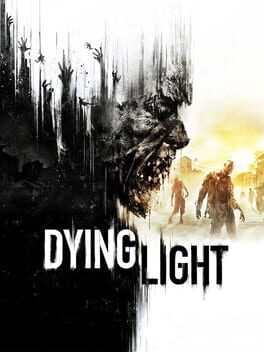
Set in the quarantined city of Harran, Dying Light thrusts players into a first‑person survival horror experience where daylight offers a fragile sense of safety while night unleashes ferocious infected predators. As operative Kyle Crane, you scavenge, craft weapons, and master parkour to navigate rooftops and alleyways, fighting both the undead and hostile human factions. The narrative follows Crane’s uneasy alliance with the Tower survivors, a battle against the GRE’s hidden agenda, and a climactic showdown with the warlord Rais. Choices, combat, and relentless night‑time threats shape a gritty story of betrayal, sacrifice, and the desperate fight for a cure.
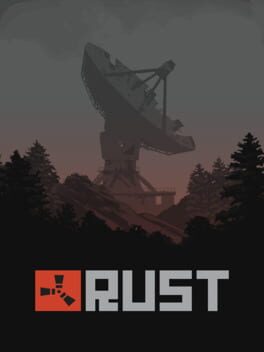
Rust drops you onto a procedurally generated island where you must manage hunger, thirst, and health while fending off wildlife and hostile players. Starting with only a rock and torch, you gather resources to craft tools, weapons, and shelters. Form clans, raid bases, or go solo in a persistent world that resets regularly, offering endless challenges and emergent gameplay for survival enthusiasts.
- Engaging parkour mechanics that blend seamlessly with combat
- Rich open‑world environment with day‑night dynamics
- Strong co‑op experience supporting four players
- Deep narrative with moral choices
- Deep crafting and building systems
- High player interaction and emergent gameplay
- Regular world wipes keep content fresh
- Steep learning curve for movement and combat systems
- Night‑time difficulty can feel overwhelming for newcomers
- Occasional performance issues on older hardware
- Steep learning curve for new players
- Server performance can vary
- Griefing and raiding can be frustrating
More alternatives & similar tools
Alternatives to Dying Light
View all →
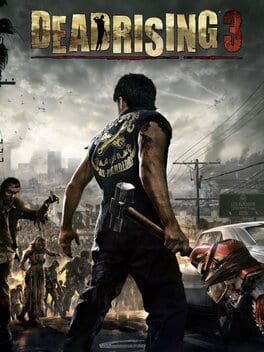
Survive a zombie‑infested city and escape before the military nukes Los Perdidos
Alternatives to Rust
View all →
The Verdict
AI-generated from listing dataRust offers cheaper, higher‑scoring sandbox survival with massive multiplayer, while Dying Light delivers a story‑driven parkour zombie experience with tighter co‑op.
Key differences
- •Dying Light focuses on narrative, parkour combat and a day‑night cycle; Rust is pure sandbox building and player‑vs‑player.
- •Price: Dying Light $59.99 vs Rust $39.99.
- •Multiplayer scope: Dying Light supports up to 4‑player co‑op missions; Rust is an MMO with large servers and clan warfare.
- •Content longevity: Rust’s regular world wipes and emergent player interactions vs Dying Light’s fixed story missions.
- •Critic scores: Dying Light 72/100, Rust 78/100.
Gameplay & fun factor
Dying Light blends parkour, combat and narrative choices, offering a more structured, story‑driven experience.
Platform availability
Both are listed as paid PC titles; no additional platform data provided.
Price & value
Rust costs $39.99 versus Dying Light’s $59.99 and has a higher critic score (78 vs 72).
Multiplayer / co‑op
Rust supports massive multiplayer, clans and large‑scale raids; Dying Light caps at four players.
Content & replayability
Rust’s dynamic economy, world wipes and emergent player interactions give ongoing fresh content.
Difficulty & accessibility
Dying Light’s night‑time difficulty can overwhelm newcomers; Rust’s learning curve is steep but lacks a night‑time penalty.
Graphics & performance
Dying Light notes occasional performance issues on older hardware; no performance concerns are listed for Rust.
Choose Dying Light if…
Players who want a story‑rich, parkour‑focused zombie game with four‑player co‑op.
Choose Rust if…
Players who prefer sandbox survival, building, and large‑scale multiplayer at a lower price.
Common questions
Which game is cheaper?
Rust costs $39.99, while Dying Light costs $59.99.
Can I play with friends?
Dying Light supports up to four players in co‑op missions; Rust offers massive multiplayer with clans and large servers.
Which game has a higher critic rating?
Rust has a critic score of 78/100, compared to Dying Light’s 72/100.