



Don't Starve vs Project Zomboid
Side-by-side comparison of features, pricing, ratings, and alternatives.
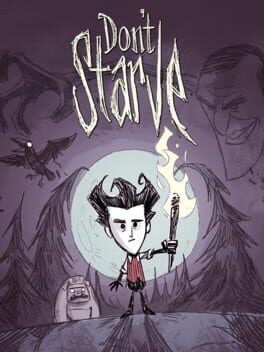
Don’t Starve is an uncompromising wilderness survival game where you must gather resources, craft tools, and build structures to stay alive. Play as Wilson, a Gentleman Scientist trapped in a mysterious world filled with strange creatures and magical dangers.
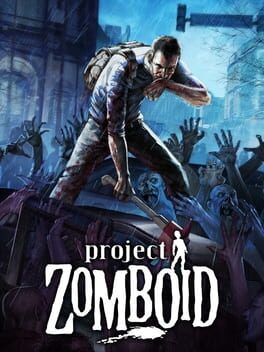
Project Zomboid drops you into the Knox Event, a deadly outbreak that began in Kentucky in 1993. You must scavenge, craft, build, farm, and fight to stay alive, whether alone or with friends. The game offers a massive open world, hardcore survival mechanics, and a cute tutorial raccoon to guide newcomers, all while challenging you to see how long you can last before the inevitable death.
- Deep survival mechanics
- Rich, hand‑drawn art style
- Highly replayable worlds
- Engaging blend of science and magic
- Deep, emergent survival mechanics
- Huge, open sandbox world
- Extensive modding community
- Supports both solo and multiplayer play
- Steep learning curve for newcomers
- Permadeath can be frustrating
- Limited multiplayer options
- Steep learning curve for new players
- Graphics are intentionally low-fidelity
- Performance can dip in large multiplayer sessions
More alternatives & similar tools
Alternatives to Don't Starve
View all →
Alternatives to Project Zomboid
View all →
The Verdict
AI-generated from listing dataProject Zomboid offers a deeper, co‑op sandbox with building, farming and extensive modding, while Don't Starve delivers a single‑player, hand‑drawn survival experience with permadeath and a science‑magic blend.
Key differences
- •Multiplayer: Zomboid supports online, split‑screen co‑op; Don't Starve is single‑player only.
- •Art style: Zomboid uses low‑fidelity graphics; Don't Starve features rich hand‑drawn visuals.
- •Modding: Zomboid has a robust modding API; Don't Starve’s mod support is not mentioned.
- •Gameplay systems: Zomboid includes detailed skill trees, farming, and fortifications; Don't Starve focuses on science/magic crafting and permadeath.
- •Performance notes: Zomboid may dip in large multiplayer sessions; Don't Starve’s performance is not specified.
Gameplay & fun factor
Zomboid provides emergent survival, skill progression, farming and fortifications, offering broader activities than Don't Starve's core craft‑and‑survive loop.
Platform availability
Specific platforms are not specified for either game.
Pricing & value
Both are paid one‑time titles; exact price for Zomboid not listed, Don't Starve is $14.99.
Multiplayer / co‑op
Zomboid supports single‑player, online multiplayer, co‑op and split‑screen; Don't Starve lists only single‑player.
Content & replayability
Zomboid’s procedural world, extensive modding, and long‑term farming increase replay value beyond Don't Starve’s procedural worlds.
Difficulty & accessibility
Don't Starve’s steep learning curve is offset by a single‑player focus; Zomboid’s steep curve plus multiplayer performance issues make it less accessible.
Graphics & performance
Don't Starve’s hand‑drawn art is praised; Zomboid’s low‑fidelity graphics and noted performance dips in large sessions.
Choose Don't Starve if…
Players who prefer single‑player, artistic style survival with permadeath and a science‑magic theme.
Choose Project Zomboid if…
Players who want co‑op or split‑screen sandbox survival with building, farming and mod support.
Common questions
What is the price of each game?
Both are one‑time purchases; Don't Starve costs $14.99. Zomboid’s exact price is not specified.
Can I play with friends?
Project Zomboid supports online multiplayer, co‑op and split‑screen. Don't Starve offers only single‑player.
Which game has more visual appeal?
Don't Starve features a rich hand‑drawn art style, while Zomboid uses intentionally low‑fidelity graphics.