



Disney's Hide and Sneak vs Spy Muppets: License to Croak
Side-by-side comparison of features, pricing, ratings, and alternatives.
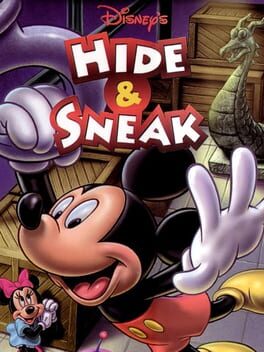
Mickey or Minnie gets abducted by a bizarre flying alien mushroom, and the other hero must embark on a daring rescue mission. Players explore three distinct areas—a warehouse, a museum, and ancient ruins—using climbing, jumping, and puzzle‑solving skills. The game blends action, adventure, and stealth as you evade enemies, hide in shadows, and silently take them down when close enough. It’s a single‑player experience that rewards careful planning and quick reflexes.
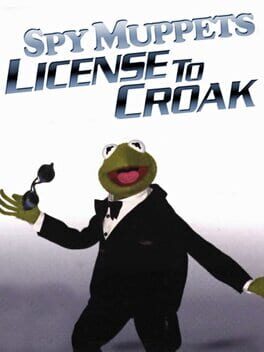
Step into the shoes of Kermit the Frog, the planet's top secret agent, as he battles iconic Muppet villains like Dr. Nose, King Prawn, and the seductive Piggy Galore. Featuring beloved characters such as Animal, Fozzie, and the bumbling Bunsen & Beaker, the game delivers a story‑driven experience with three intertwining plots that converge on an ultimate showdown. The action‑packed, single‑player adventure runs on PC and offers a light‑hearted, family‑friendly take on spy tropes, perfect for fans of the Muppets and casual gamers seeking a fun, narrative‑rich experience.
- Engaging stealth and hide mechanics
- Varied environments keep gameplay fresh
- Two character perspectives add replayability
- Family‑friendly ESRB E rating
- Iconic Muppet characters
- Humorous, family‑friendly story
- Three intertwining narratives increase replayability
- Simple controls suitable for all ages
- Limited to single‑player only
- Graphics reflect early‑2000s technology
- Controls can feel clunky on modern systems
- Limited combat depth
- Graphics dated by modern standards
- No multiplayer or co‑op mode
More alternatives & similar tools
Alternatives to Disney's Hide and Sneak
View all →
Embark on a magical platforming adventure in a forgotten realm of classic Disney characters.
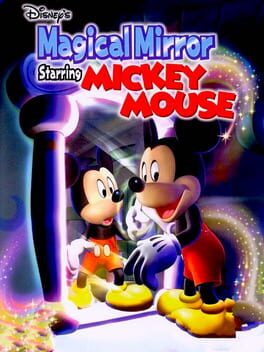
Mickey must recover mirror pieces and outwit cartoon foes.
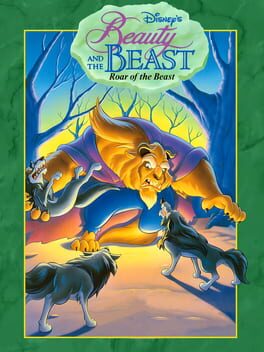
Control the Beast and protect the enchanted rose in a classic adventure
Alternatives to Spy Muppets: License to Croak
View all →
Unravel a high-level assassination plot in a world of international intrigue.
Rescue Mickey or Minnie in a stealth‑filled adventure across warehouses, museums, and ruins.
The Verdict
AI-generated from listing dataBoth are one‑time purchases with similar family‑friendly ratings, but Disney's Hide and Sneak offers deeper stealth gameplay while Spy Muppets: License to Croak provides simpler, more casual action.
Key differences
- •Gameplay focus: stealth puzzles vs. straightforward action.
- •Replay value sources: two character perspectives vs. three intersecting storylines.
- •Control complexity: clunky on modern systems vs. simple, casual‑friendly controls.
- •Thematic appeal: Disney characters vs. Muppet characters.
- •Environmental variety: three distinct zones vs. cartoonish Muppet settings.
Gameplay & fun factor
A offers stealth mechanics, environmental puzzles, and climbing, providing deeper gameplay than B's simple action.
Platform availability
Platform details not specified for either product.
Price & value
Both are paid one‑time purchases; no price difference given.
Multiplayer / co‑op
Both are single‑player only.
Content & replayability
A has two character perspectives and three zones; B has three intersecting storylines – comparable replay hooks.
Difficulty & accessibility
B advertises simple controls for casual and younger players, while A’s controls can feel clunky.
Graphics & performance
Both use early‑2000s graphics that are considered dated by modern standards.
Choose Disney's Hide and Sneak if…
Players who enjoy stealth puzzles, varied environments, and Disney characters.
Choose Spy Muppets: License to Croak if…
Casual gamers or Muppet fans who prefer simple controls and humorous action.
Common questions
Do either of the games support multiplayer?
No; both are single‑player only.
Which game has more replay value?
A offers two character perspectives and three zones; B offers three intersecting storylines – both provide comparable replay hooks.
Are the graphics modern?
Both games use early‑2000s graphics, which are considered dated by today’s standards.