



Delver vs Rogue
Side-by-side comparison of features, pricing, ratings, and alternatives.
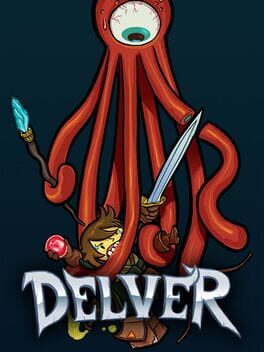
Delver puts you in the shoes of a lone adventurer diving into dark, randomly generated dungeons. Fight monsters, collect loot, and chase the mysterious Yithidian Orb while the pixel‑art world swarms with danger. Each run offers fresh layouts, enemies, and treasure, making every descent a new challenge. The game blends fast first‑person combat with classic hack‑and‑slash action for a tight, replayable experience.
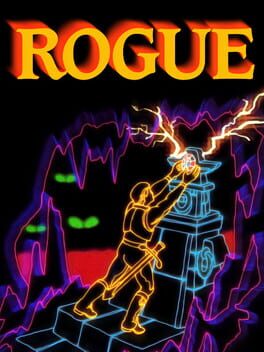
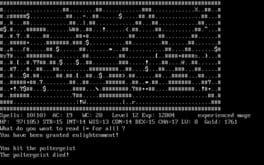
Rogue is a pioneering dungeon‑crawling video game created by Michael Toy and Glenn Wichman in 1980. It introduced procedural level generation and turn‑based exploration that defined the roguelike genre. Played on PC and Mac, the game offers a single‑player experience where every descent is unique, challenging players to survive as long as possible while managing limited resources.
- Randomly generated levels ensure endless replayability
- Fast‑paced first‑person combat keeps action intense
- Charming pixel‑art aesthetic appeals to retro fans
- Simple yet deep loot and upgrade system
- Historical significance as the origin of the roguelike genre
- Infinite replayability through procedural dungeons
- Simple controls and low system requirements
- Deep strategic depth despite minimalist presentation
- Limited content after many repetitions can feel repetitive
- No multiplayer or co‑op options
- Occasional performance hiccups on low‑end hardware
- ASCII graphics may deter modern players
- Steep difficulty curve with permanent death
- Limited audio and visual feedback
More alternatives & similar tools
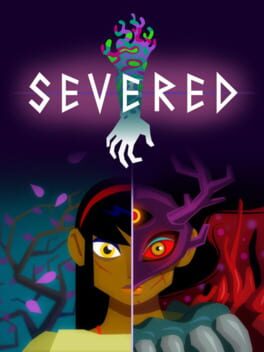
Alternatives to Delver
View all →
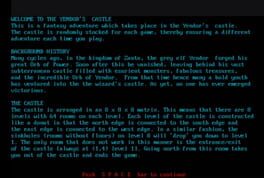
Alternatives to Rogue
View all →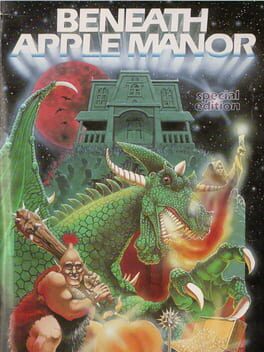
The Verdict
AI-generated from listing dataDelver offers fast‑paced first‑person action with pixel art and a clear quest, while Rogue provides classic turn‑based ASCII roguelike depth and historic significance.
Key differences
- •Combat style: Delver is real‑time FPS/melee, Rogue is turn‑based.
- •Visuals: Delver uses pixel‑art graphics; Rogue uses ASCII characters.
- •Release era and legacy: Delver (2013) is a modern indie title; Rogue (1980) is the genre’s origin.
- •Gameplay focus: Delver includes a core quest and loot crafting; Rogue emphasizes pure procedural exploration and high‑score tracking.
Gameplay & fun factor
Delver’s fast‑paced FPS combat and loot system provide more immediate action than Rogue’s turn‑based ASCII play.
Platform availability
Rogue runs natively on both PC and Mac; Delver’s platform list is not specified beyond PC.
Price & value
Delver’s MSRP is $9.99; Rogue’s price is not specified, making Delver the only known cost.
Multiplayer / co‑op
Both are single‑player only.
Content & replayability
Both feature procedural dungeons and permadeath, offering infinite replayability.
Difficulty & accessibility
Rogue’s turn‑based play and simple ASCII UI are more accessible to low‑end hardware than Delver’s occasional performance hiccups.
Graphics & performance
Delver’s pixel‑art provides a richer visual experience; Rogue uses minimal ASCII graphics.
Choose Delver if…
Players who want modern, action‑oriented roguelike FPS with visual polish.
Choose Rogue if…
Players who prefer classic, turn‑based roguelike depth and low system requirements.
Common questions
Which game is cheaper?
Delver costs $9.99; Rogue’s price is not specified.
Can I play these games on a Mac?
Rogue runs natively on Mac; Delver’s Mac support is not mentioned.
Do either of these games support multiplayer?
Both are single‑player only.