



Dave Mirra BMX Challenge vs Dave Mirra Freestyle BMX 3
Side-by-side comparison of features, pricing, ratings, and alternatives.
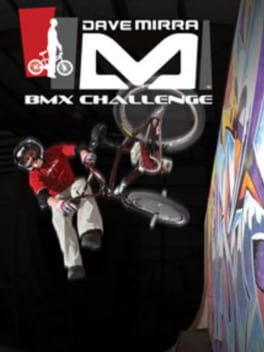
Experience the thrill of BMX stunts and races in a portable format. The game brings 17 levels across 9 environments, letting you ride, race, and freestyle wherever you are. Customize your rider, gear, and bike from a roster of 10 bikes, and compete in ad‑hoc wireless multiplayer for up to four players. The game captures the spirit of X‑Games competition with fast‑paced action and a variety of tricks.
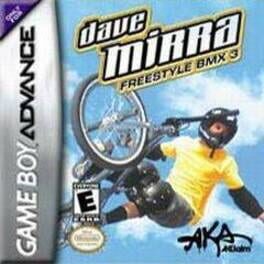
Dave Mirra Freestyle BMX 3 brings the thrill of extreme BMX riding to the handheld world, letting you grind rails, ride ramps, and pull massive jumps right from your Game Boy Advance. With over a thousand tricks to master, the game delivers endless replayability for fans of high‑fly stunts. Choose from four distinct gameplay modes and experience the fast‑paced, action‑packed sport of BMX in a single‑player experience that’s perfect for quick sessions or marathon runs. The sequel builds on its predecessor with tighter controls and more varied challenges, making it a must‑play for anyone who loves extreme sports gaming.
- Portable BMX action on PSP
- Varied level design across multiple environments
- Customizable riders and bikes
- Wireless multiplayer for up to four players
- Massive trick library keeps gameplay fresh
- Four distinct modes add variety
- Tight controls suited for handheld play
- High replay value with score challenges
- Limited graphics compared to console releases
- Simple control scheme can feel restrictive
- Low critical reception (40/100 score)
- Limited to single‑player experience
- Graphics are dated by modern standards
- No official multiplayer or online features
More alternatives & similar tools
Alternatives to Dave Mirra BMX Challenge
View all →
Hit massive open BMX tracks, pull tricks, and unlock riders in this extreme sport racer.
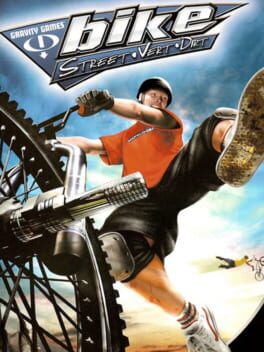
Ride, trick, and compete in the ultimate BMX action experience
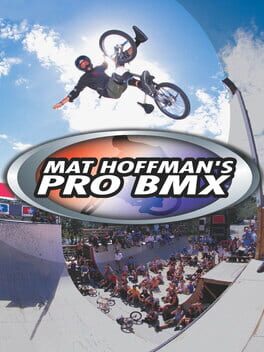
Alternatives to Dave Mirra Freestyle BMX 3
View all →Ride, trick, and compete in the ultimate BMX action experience
The Verdict
AI-generated from listing dataIf you prioritize a massive solo trick library and tight handheld controls, go with Dave Mirra Freestyle BMX 3; if you want PSP multiplayer and customization despite lower reviews, choose Dave Mirra BMX Challenge.
Key differences
- •A offers over 1,000 tricks and four single‑player modes; B provides only 17 levels but includes wireless multiplayer for up to four players.
- •A runs on Game Boy Advance with no price listed; B is a PSP title priced at $19.99.
- •B lets you unlock and upgrade ten bikes and customize rider gear; A has no customization features.
- •B received a low critic score (40/100); A’s critical reception is not specified.
- •A’s controls are optimized for GBA button layout; B’s controls are described as simple for PSP.
Pricing & value
B is priced at $19.99; A’s price is not specified, making B’s cost advantage clear.
Gameplay & fun factor
A provides 1,000+ tricks and four distinct modes, offering deeper solo stunt variety than B’s 17 levels.
Platform availability
A is exclusive to Game Boy Advance; B is exclusive to PSP—different platforms but no superiority.
Multiplayer / co‑op
B supports ad‑hoc wireless multiplayer for up to four players; A is single‑player only.
Content & replayability
A’s massive trick library and multiple modes give higher replay value than B’s limited level count.
Difficulty & accessibility
Both are ESRB E and have controls optimized for their handhelds; no clear difficulty edge.
Graphics & performance
Both are noted as dated by modern standards; no specific performance data to differentiate.
Choose Dave Mirra BMX Challenge if…
Players seeking PSP multiplayer and bike customization despite lower reviews.
Choose Dave Mirra Freestyle BMX 3 if…
Solo players who want deep trick combos on a Game Boy Advance.
Common questions
What is the price of each game?
B costs $19.99; A’s price is not specified in the provided facts.
Can I play with friends?
Only B offers wireless multiplayer for up to four players; A is single‑player only.
Which game has better critical reception?
B has a documented critic score of 40/100; A’s critical reception is not provided.