



CodeGuard (by Acronis) vs SiteLock Website Security & Backup
Side-by-side comparison of features, pricing, ratings, and alternatives.


CodeGuard provides continuous, automated backups of websites, databases, and files, storing them securely in the cloud. It monitors changes and alerts you to potential issues, ensuring you can quickly recover from hacks, crashes, or human error. The service integrates with popular hosting platforms and CMSs, offering one-click restores and version history so you can roll back to any point in time. Managed by Acronis, it leverages enterprise-grade security and storage infrastructure.
SiteLock provides continuous security monitoring, malware detection, and automatic removal to keep websites safe from threats. It also offers daily automated backups, so you can quickly restore a clean version if something goes wrong. The service integrates with most web platforms and includes a web‑based dashboard, email alerts, and a support team that assists with incident response. It’s designed for small‑to‑medium businesses that need enterprise‑grade protection without managing complex security tools.
- Fully automated, hands‑free backups
- Secure multi‑region storage
- One‑click site restoration
- Integrated malware detection
- Hands‑free malware removal
- Daily automated backups
- Easy‑to‑use dashboard
- Includes WAF and PCI reporting
- No free tier, only paid plans
- Limited to website data (no full server snapshots)
- Pricing can be high for large sites
- Higher cost than basic antivirus plugins
- Limited customization of scan frequency
- Backup retention period may require higher tier
More alternatives & similar tools
Alternatives to CodeGuard (by Acronis)
View all →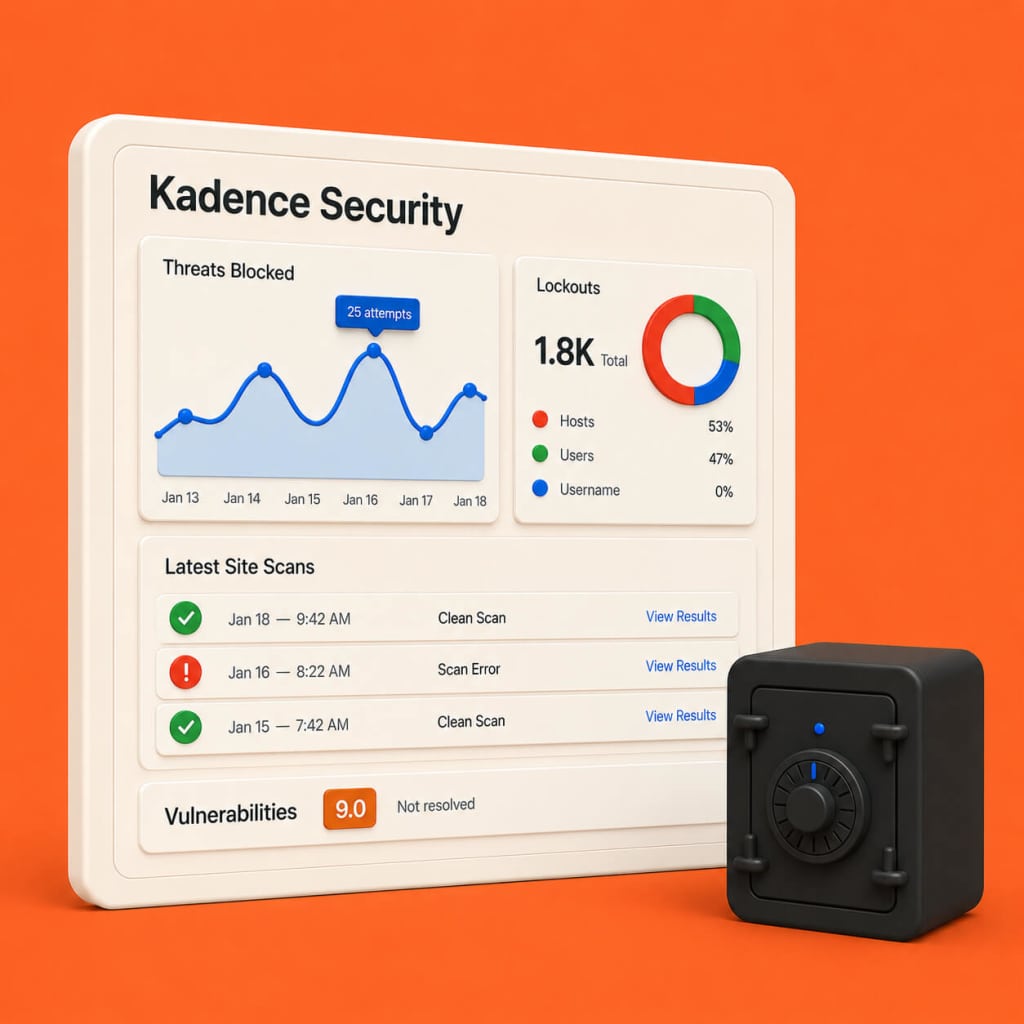
Automatic malware protection and daily backups for peace of mind

Alternatives to SiteLock Website Security & Backup
View all →
The Verdict
AI-generated from listing dataCodeGuard offers hourly backups with built‑in malware scanning, while SiteLock adds a WAF and PCI reporting but only daily backups; choose based on whether you need finer‑grained backup frequency or extra security features.
Key differences
- •CodeGuard backs up hourly; SiteLock backs up daily
- •CodeGuard’s malware feature is scanning with optional quarantine; SiteLock automatically cleans and restores infected files
- •SiteLock includes a Web Application Firewall and PCI‑DSS compliance reporting; CodeGuard does not
- •Both charge subscription fees with no free tier, but SiteLock notes higher cost than basic plugins
- •Backup retention details are unspecified for both, but SiteLock may require higher tier for longer retention
Pricing & value
Both are paid subscriptions with no free tier; no price details provided to differentiate value.
Uptime & reliability
SiteLock specifies a 99.9% uptime SLA; CodeGuard provides no SLA information.
Performance
CodeGuard’s hourly incremental backups reduce data loss risk compared with SiteLock’s daily backups.
Developer experience
CodeGuard integrates with WordPress, Joomla, Drupal via plugins; SiteLock’s integration details not specified.
Regions & compliance
Both operate in US, EU, APAC; SiteLock adds PCI‑DSS reporting, a compliance advantage.
Support
No support level information is provided for either product.
Lock‑in
Both store backups in their own cloud vaults; migration details not specified.
Choose CodeGuard (by Acronis) if…
Websites needing the most frequent (hourly) backups and simple one‑click restores.
Choose SiteLock Website Security & Backup if…
Businesses that prioritize added security layers like WAF and PCI compliance over backup frequency.
Common questions
Which service backs up my site more often?
CodeGuard creates hourly incremental backups; SiteLock provides daily incremental backups.
Do either of these include a firewall?
SiteLock includes a Web Application Firewall; CodeGuard does not mention a firewall.
Is there any compliance reporting?
SiteLock generates PCI‑DSS compliance reports; CodeGuard does not list any compliance reporting.