



Caesar II vs Caesar III
Side-by-side comparison of features, pricing, ratings, and alternatives.
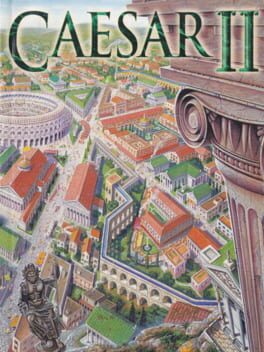
Set in ancient Rome, Caesar II lets you start with a single province and develop it into a thriving city. You must balance water supply, policing, education, entertainment, baths, and temples while protecting your wealth from thieves. As threats arise, you’ll raise armies to fend off invading tribes, connect villages with roads, and develop industries like stone mining and vineyards. Create markets to sell your goods and grow your empire.
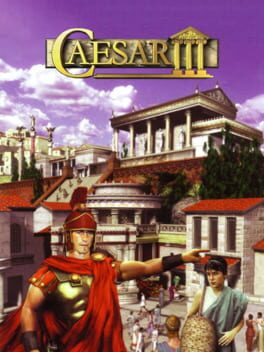
Caesar III lets you step into the sandals of a provincial governor tasked with constructing thriving Roman cities. Using a fixed‑magnification isometric view, you manage resources, provide services via walkers, and balance the needs of plebeians and patricians alike. The game offers both Mission Mode with historical scenarios and a sandbox City Construction Mode for limitless creativity, all set to dynamic music that reacts to your city's fortunes.
- Deep city-building mechanics with authentic Roman elements.
- Challenging resource and population management.
- Strategic military defense against periodic attacks.
- Rich historical atmosphere and detailed visuals.
- Deep resource and service simulation
- Rich historical atmosphere
- Two distinct gameplay modes
- Engaging music and sound effects
- Steep learning curve for new players.
- Limited graphics compared to modern titles.
- No multiplayer or online features.
- Fixed isometric perspective limits camera control
- No multiplayer or online features
- Older graphics may feel dated
More alternatives & similar tools
Alternatives to Caesar II
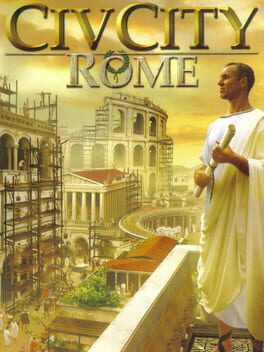
View all →Alternatives to Caesar III
View all →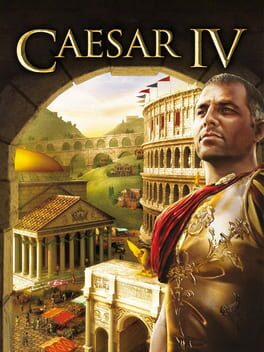
The Verdict
AI-generated from listing dataCaesar III offers richer gameplay and higher critical acclaim at a higher price, while Caesar II is cheaper but has a steeper learning curve and older graphics.
Key differences
- •Critic score: Caesar III 85/100 vs Caesar II 78/100.
- •Price: Caesar II $19.99 vs Caesar III $29.99.
- •Release date: Caesar III (1998) is newer than Caesar II (1995), giving slightly more polished mechanics.
- •Gameplay modes: Caesar III includes two distinct modes (scripted missions and sandbox), Caesar II mentions only city building and defense.
- •Visuals: Both have dated graphics, but Caesar III’s dynamic soundtrack and varied building hierarchy are noted, whereas Caesar II’s graphics are described as limited.
Gameplay & fun factor
Caesar III adds mission mode, dynamic soundtrack, and more varied building hierarchy, enhancing engagement.
Platform availability
Both are single‑player PC titles from the same developer; no platform differences are specified.
Price & value
Caesar II costs $19.99, $10 less than Caesar III, offering lower upfront cost.
Multiplayer / co‑op
Both are single‑player only; no multiplayer features for either.
Content & replayability
Caesar III’s two gameplay modes and festivals/temples add more replay options than Caesar II’s single mode.
Difficulty & accessibility
Caesar II is noted for a steep learning curve, making Caesar III comparatively more accessible.
Graphics & performance
Both are described as having older graphics; no specific performance data to differentiate.
Choose Caesar II if…
Budget‑conscious players who prefer a cheaper, classic Roman city‑builder and don’t mind a tougher learning curve.
Choose Caesar III if…
Players seeking richer gameplay modes, higher critical praise, and more immersive audio, willing to pay extra.
Common questions
Which game is cheaper?
Caesar II costs $19.99, while Caesar III costs $29.99.
Which title has better reviews?
Caesar III has a higher critic score of 85/100 compared to Caesar II’s 78/100.
Do either of the games support multiplayer?
No. Both Caesar II and Caesar III are single‑player only.