



Blade Runner vs Dreamweb
Side-by-side comparison of features, pricing, ratings, and alternatives.
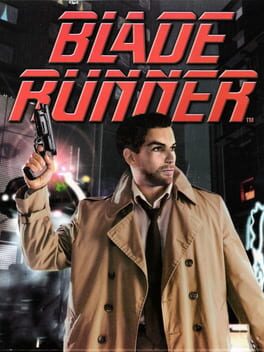
Blade Runner is a cinematic point‑and‑click adventure set in Ridley Scott's iconic cyber‑punk universe. Players assume the role of a replicant hunter, exploring a rain‑soaked Los Angeles while interrogating suspects and piecing together clues. The game blends atmospheric storytelling with challenging puzzles, delivering a faithful adaptation of the film's noir aesthetic. Its richly detailed environments and branching dialogue choices immerse players in a world of intrigue and moral ambiguity.
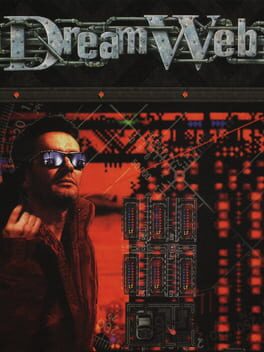
Dreamweb is a 1994 point‑and‑click adventure set in a gritty, dystopian future. Players control Ryan, a bartender haunted by nightmares, as he hunts down seven powerful evils across a bleak cityscape. The game features mature themes, graphic violence and brief full‑frontal nudity, making it one of the most adult‑oriented titles of its era. After its original MS‑DOS and Amiga release, Dreamweb was re‑released as freeware in 2012, allowing new players to experience its atmospheric storytelling, top‑down exploration and challenging puzzles.
- Atmospheric world building faithful to the film
- Engaging branching dialogue system
- High-quality voice acting from original cast
- Multiple endings increase replay value
- Atmospheric cyber‑punk setting
- Deep, mature storyline
- Challenging puzzles
- Freeware re‑release
- Puzzles can be obscure and require trial‑and‑error
- Graphics may feel dated for modern players
- Limited save slots can hinder experimentation
- Pixel graphics may feel dated
- Limited save points in original version
- Mature content not for all players
More alternatives & similar tools
Alternatives to Blade Runner
View all →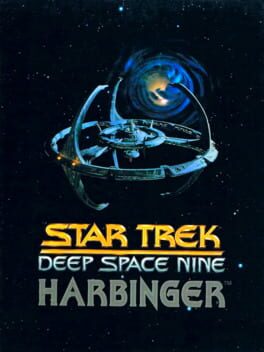
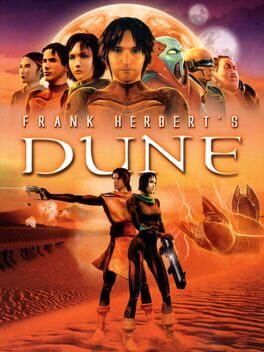
The ultimate Deep Space Nine tie-in game of exploration and puzzle-solving.

Alternatives to Dreamweb
View all →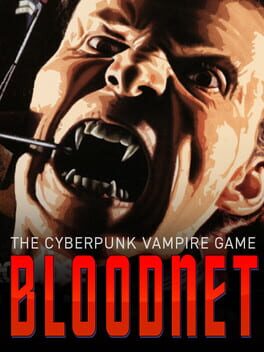

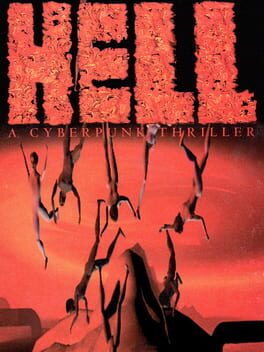
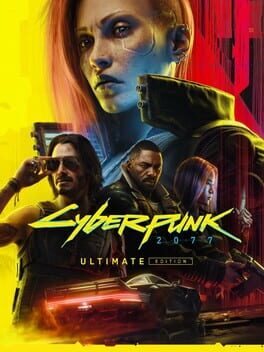
Unravel a dystopian nightmare in a cyber‑world of demons and deceit.
The Verdict
AI-generated from listing dataBlade Runner offers a polished, voice‑acted adventure with multiple endings for $19.99, while Dreamweb is a free, darker retro title with mature content and fewer convenience features.
Key differences
- •Price: Blade Runner costs $19.99; Dreamweb is free.
- •Narrative depth: Blade Runner includes original film voice acting and multiple endings; Dreamweb has a single storyline.
- •Save system: Blade Runner has a built‑in hint system and limited save slots; Dreamweb’s original version has limited save points.
- •Mature content: Dreamweb contains graphic violence and nudity; Blade Runner is ESRB T.
- •Release era: Blade Runner (1997) is newer than Dreamweb (1994), affecting polish and design.
Pricing & value
Dreamweb is freeware, giving full access at zero cost versus Blade Runner’s $19.99 price.
Gameplay & fun factor
Blade Runner adds voice acting, branching dialogue, and multiple endings, enhancing replayability over Dreamweb’s single path.
Platform availability
No platform information is provided for either title, so they cannot be compared.
Multiplayer / co‑op
Both games are single‑player only.
Content & replayability
Blade Runner’s multiple endings and hint system give higher replay value than Dreamweb’s single narrative.
Difficulty & accessibility
Dreamweb’s simpler save‑anywhere system (in re‑release) is more accessible than Blade Runner’s limited save slots and obscure puzzles.
Graphics & performance
Both use dated pixel‑art graphics; neither is noted as superior.
Choose Blade Runner if…
Players willing to pay for higher production values, voice acting, and replay options.
Choose Dreamweb if…
Budget‑focused gamers who prefer a free, gritty cyber‑punk experience and can handle mature content.
Common questions
How much does each game cost?
Blade Runner costs $19.99 (one‑time purchase); Dreamweb is free.
Does either game have original voice acting?
Blade Runner features original film cast voice acting; Dreamweb does not.
What are the age ratings?
Blade Runner is ESRB T; Dreamweb is rated USK 18 and ACB MA 15+, reflecting mature content.