



Army of Two vs Fuse
Side-by-side comparison of features, pricing, ratings, and alternatives.
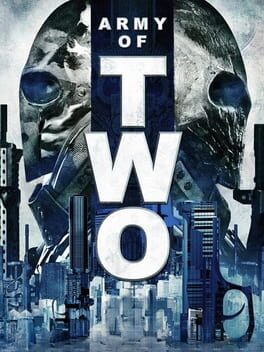

Army of Two is a cooperative third‑person shooter that puts two mercenaries side‑by‑side in high‑octane missions across the globe. Players must coordinate cover, fire, and special abilities to overcome overwhelming odds. The game blends tactical shooting with a tongue‑in‑cheek sense of humor, offering both a single‑player campaign and robust online co‑op modes for friends to experience together.
Developed by Insomniac Games, Fuse is a cooperative action shooter set in a near-future world threatened by a shadowy organization. Players control Overstrike 9, a squad of agents wielding experimental alien energy known as fuse, combining their unique talents and lethal teamwork to obliterate enemy strongholds. Blending cooperative gameplay with exotic weaponry and the studio's signature humor, the title offers both single-player and four-player co-op experiences. As the agency's outcasts, the team must rely on their distinct abilities and disregard for protocol to stop a global catastrophe.
- Deep co‑op mechanics encourage teamwork.
- Robust weapon upgrade system.
- Entertaining humor and memorable characters.
- Solid cover and tactical combat.
- Engaging four-player cooperative mechanics
- Unique fringe-tech weapon arsenal
- Ability to swap characters on the fly
- Distinct character classes and skills
- Limited single‑player AI sophistication.
- Graphics are dated by modern standards.
- Multiplayer matchmaking can be inconsistent.
- Mediocre critical reception with a 58 score
- Linear level design limits exploration
- Repetitive enemy encounter design
More alternatives & similar tools
Alternatives to Army of Two
View all →
Lead a rogue paramilitary squad to defeat the madman Inferno in explosive vehicular combat.
Unleash ultimate destruction in a gritty cooperative drug war across Mexico.
Alternatives to Fuse
View all →

A fast-paced, hardcore team-based first-person shooter set in a post-apocalyptic London.
The Verdict
AI-generated from listing dataArmy of Two offers tighter two‑player co‑op with deeper cover mechanics, while Fuse provides a larger four‑player squad and on‑the‑fly character swapping but lower critical scores.
Key differences
- •Co‑op size: Army of Two is built around two players; Fuse supports up to four.
- •Character flexibility: Fuse lets you switch between four agents in single‑player; Army of Two has fixed duo roles.
- •Critical reception: Army of Two scored 71/100, Fuse 58/100.
- •Weapon systems: Army of Two focuses on extensive customization; Fuse uses unique fringe‑tech weapons with limited upgrade depth.
- •Level design: Fuse is noted as linear and repetitive; Army of Two’s campaign is less criticized for linearity.
Gameplay & fun factor
Army of Two’s coordinated cover and fire system creates deeper tactical play than Fuse’s more straightforward squad shooting.
Platform availability
Both are paid one‑time titles released for similar platforms; specific platform lists not provided.
Price & value
Both MSRP $59.99; value depends on preference for co‑op size and critical reception.
Multiplayer / co‑op
Fuse supports four‑player online/offline co‑op, whereas Army of Two caps at two players (split‑screen or network).
Content & replayability
Army of Two’s weapon customization and AI‑ally commands give more variety than Fuse’s linear, repetitive levels.
Difficulty & accessibility
Army of Two’s AI allies can be commanded for solo play, offering easier entry than Fuse’s fixed squad roles.
Graphics & performance
Fuse, released in 2013, is newer than Army of Two (2008) and likely has more up‑to‑date graphics.
Choose Army of Two if…
Players who want focused two‑player tactical co‑op with deep weapon customization.
Choose Fuse if…
Groups of up to four friends seeking varied characters and fringe‑tech weapons despite lower reviews.
Common questions
Do both games support split‑screen co‑op?
Army of Two supports split‑screen; Fuse’s co‑op mode is online or offline but split‑screen not specified.
Which game has better critical reception?
Army of Two has a critic score of 71/100, while Fuse scored 58/100.
Can I play solo in both titles?
Army of Two allows solo play with AI‑controlled allies; Fuse lets you control all four agents yourself in single‑player.