



Amnesia: The Dark Descent vs Fibrillation
Side-by-side comparison of features, pricing, ratings, and alternatives.
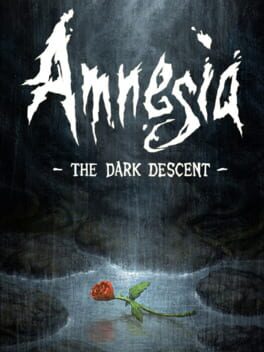
In Amnesia: The Dark Descent, players awaken in a foreboding castle with no memory of how they arrived. The game forces you to explore dark corridors, solve intricate puzzles, and confront nightmarish creatures while managing a sanity meter that reacts to the horrors around you. The experience is built around atmospheric storytelling, immersive sound design, and a relentless sense of dread, delivering a single‑player journey that redefined survival horror when it launched in 2010.
Fibrillation is a first‑person philosophic horror adventure that blends mysticism and science‑fiction. In a single 40‑minute run you guide Ewan through hallucinatory environments, making one irreversible choice that determines his fate.\nThe game is built on a tiny $180 budget and was created in just over three weeks, delivering a tight, single‑player experience that challenges players to confront fear and meaning without any saves.
- Deep atmospheric immersion
- Innovative sanity mechanic
- Engaging environmental puzzles
- Strong narrative without combat
- Intense, uninterrupted immersion.
- Thought‑provoking narrative with meaningful choice.
- Short playtime fits busy schedules.
- Impressive production given minimal budget.
- Limited replayability after story completion
- No combat may deter action‑focused players
- Occasional performance issues on older hardware
- No ability to retry or explore alternate outcomes.
- Limited content beyond the single run.
- Very niche appeal; may not satisfy action‑oriented players.
More alternatives & similar tools
Alternatives to Amnesia: The Dark Descent
View all →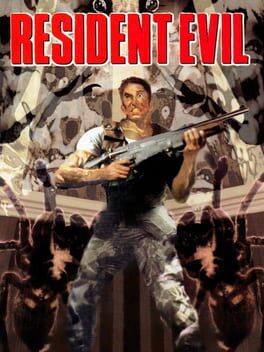

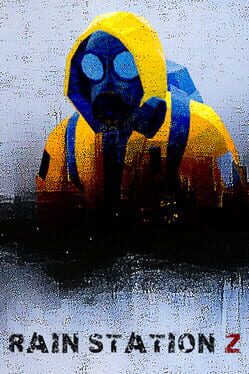

Alternatives to Fibrillation
View all →
Venture into a shadowy underground complex to uncover the truth in this psychological horror adventure.
A terrifying first‑person horror puzzle adventure that haunts your mind.
The Verdict
AI-generated from listing dataAmnesia offers a longer, puzzle‑driven horror experience at a higher price, while Fibrillation delivers a brief, single‑run narrative for a fraction of the cost.
Key differences
- •Playtime: Amnesia spans many hours; Fibrillation is a 40‑minute one‑shot.
- •Replayability: Amnesia can be replayed despite limited story variance; Fibrillation has no retry or alternate runs.
- •Price: Amnesia costs $19.99; Fibrillation costs $4.99.
- •Gameplay depth: Amnesia includes sanity mechanics, lantern management, and environmental puzzles; Fibrillation focuses on a single, linear narrative with philosophical dialogue.
- •Production scope: Amnesia features dynamic lighting, binaural audio, and a journal system; Fibrillation uses minimalist graphics and ambient sound.
Gameplay & fun factor
Amnesia provides puzzles, sanity system, and stealth, offering more interactive variety than Fibrillation's single linear run.
Price & value
Fibrillation costs $4.99 versus Amnesia's $19.99, giving more value per dollar despite shorter content.
Multiplayer / co‑op
Both are single‑player only.
Content & replayability
Amnesia, while limited after story, still allows multiple playthroughs; Fibrillation offers no retry or alternate outcomes.
Graphics & performance
Amnesia includes dynamic lighting, shadows, and binaural audio; Fibrillation uses minimalist graphics and ambient sound.
Choose Amnesia: The Dark Descent if…
Players who want a deep, multi‑hour horror puzzle experience and don’t mind paying more.
Choose Fibrillation if…
Players who prefer a very short, story‑heavy horror session and want a low‑cost purchase.
Common questions
How long will I be playing each game?
Amnesia lasts many hours; Fibrillation is designed as a single 40‑minute uninterrupted run.
Can I replay the game to see different outcomes?
Amnesia can be replayed, though story content is largely the same; Fibrillation has no save points or alternate runs.
Is the price difference justified by the content?
Amnesia costs $19.99 and offers extensive puzzles and longer playtime; Fibrillation costs $4.99 and delivers a brief, single‑run narrative.