



About Love, Hate and the other ones vs Tri: Of Friendship and Madness
Side-by-side comparison of features, pricing, ratings, and alternatives.
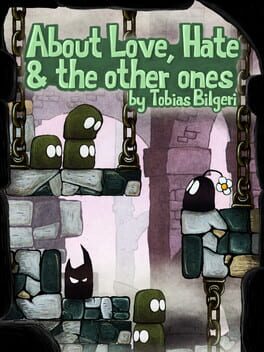
In this indie adventure, you control the two protagonists Love and Hate as they navigate 60 handcrafted levels filled with dark caves, icy lands, steamy factories, and ancient castles. Each encounter introduces unique "Other Ones" that react differently depending on which character you use, creating constantly shifting challenges. The game blends fantasy humor with clever mechanics, urging you to rearrange characters and creatures to guide the pair back to their beloved hill and the mysterious red button that started it all.
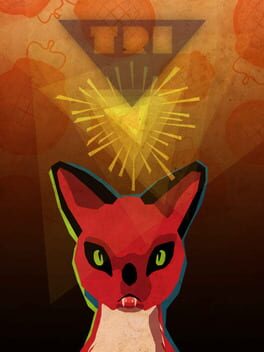
Tri: Of Friendship and Madness is a first‑person puzzle exploration adventure where you place corner points on walls to create walkable triangular platforms. Navigate towering dungeons, reflect light rays, and defy gravity as you piece together paths in a surreal fantasy realm. The game challenges you to think in geometry while maintaining your sanity, offering a unique blend of platforming, puzzle‑solving, and atmospheric storytelling for indie fans.
- Innovative dual‑character mechanics
- Rich variety of environments
- Handcrafted level design
- Humorous and engaging story
- Innovative triangular platform mechanic
- Rich atmospheric world design
- Cross‑platform support for Linux, PC, and Mac
- Challenging yet rewarding puzzles
- Limited replayability after completing all levels
- No multiplayer or co‑op mode
- Graphics are simple and may feel dated
- Steep learning curve for new players
- Occasional camera jitter during upside‑down sections
- Limited content length compared to larger titles
More alternatives & similar tools
Alternatives to About Love, Hate and the other ones
View all →
Build triangular platforms to solve mind‑bending puzzles in a mystical world.
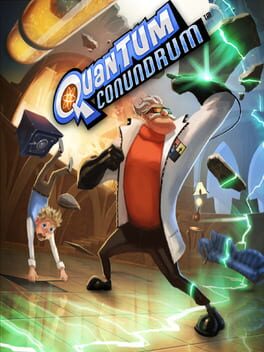
Alternatives to Tri: Of Friendship and Madness
View all →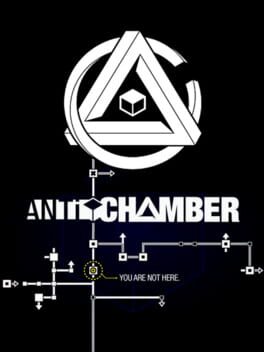
Explore an impossible mind-bending world of non-Euclidean puzzles and psychological exploration.
Guide Love and Hate through mind‑bending puzzles to reach the red button
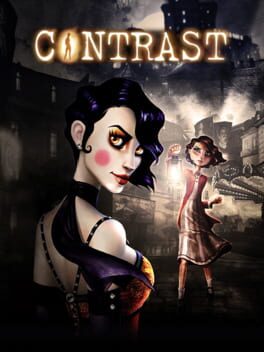
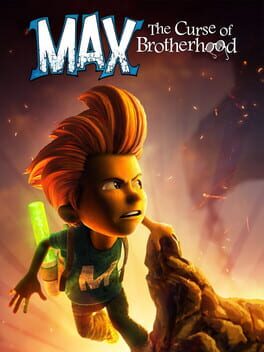
A magical physics‑puzzle platformer where a marker reshapes reality
The Verdict
AI-generated from listing dataBoth are one‑time‑purchase indie puzzle games, but A offers quirky dual‑character puzzles with richer story, while B focuses on a unique triangular‑platform mechanic with a steeper learning curve and less content.
Key differences
- •Mechanic focus: A uses two characters (Love & Hate) to manipulate environments; B uses player‑placed triangular platforms.
- •Narrative: A includes a whimsical story tying puzzles together; B provides minimal story, emphasizing atmosphere.
- •Content length: A has 60 distinct levels; B’s content is described as limited in length.
- •Difficulty curve: B is noted for a steep learning curve and occasional camera jitter; A is presented as more accessible.
- •Platform support: A lists Linux, Android, PC, iOS, Mac; B lists Linux, Windows PC, Mac only.
Gameplay & fun factor
A’s dual‑character system and varied environments create diverse puzzle experiences versus B’s single‑mechanic platforming.
Platform availability
A runs on Linux, Android, PC, iOS, and Mac; B lacks Android and iOS support.
Price & value
Both are paid one‑time purchases; no price differences are specified.
Multiplayer / co‑op
Both are single‑player only.
Content & replayability
A offers 60 uniquely designed levels; B’s content length is described as limited.
Difficulty & accessibility
B is noted for a steep learning curve and camera issues, making it harder for newcomers; A is presented as more approachable.
Graphics & performance
B’s minimalist art style is praised; A’s graphics are described as simple and possibly dated.
Choose About Love, Hate and the other ones if…
Players who want a story‑driven, varied puzzle adventure with broad device support.
Choose Tri: Of Friendship and Madness if…
Players who enjoy minimalist aesthetics and a challenging, mechanic‑focused puzzle platformer.
Common questions
Which game runs on my Android phone?
Only About Love, Hate and the other ones (Product A) lists Android support.
Do either of these games have multiplayer or co‑op?
No; both are single‑player only.
Is there a steep learning curve?
Tri: Of Friendship and Madness (Product B) is noted for a steep learning curve; Product A is not described as steep.