



About Love, Hate and the other ones vs Pid
Side-by-side comparison of features, pricing, ratings, and alternatives.
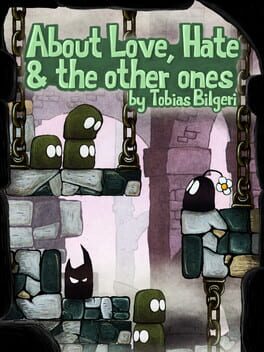
In this indie adventure, you control the two protagonists Love and Hate as they navigate 60 handcrafted levels filled with dark caves, icy lands, steamy factories, and ancient castles. Each encounter introduces unique "Other Ones" that react differently depending on which character you use, creating constantly shifting challenges. The game blends fantasy humor with clever mechanics, urging you to rearrange characters and creatures to guide the pair back to their beloved hill and the mysterious red button that started it all.
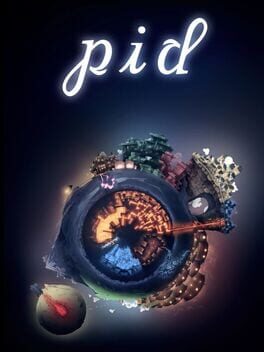
Developed by Might and Delight, Pid is a story-driven platformer that places players in the shoes of a young boy named Kurt, who finds himself stranded on a mysterious and perilous alien world. Armed with a unique gravity beam, Kurt must navigate through diverse environments like a grand castle and bustling town streets, solving intricate puzzles and overcoming robotic foes. Along his journey to uncover a massive conspiracy and find a way home, Kurt encounters various locals and experiences a critically acclaimed adventure known for its stunning artwork, wonderful presentation, and enchanting soundtrack. Whether playing solo or teaming up with friends, players must master the mechanics of light and gravity to survive this unforgettable sci-fi indie journey.
- Innovative dual‑character mechanics
- Rich variety of environments
- Handcrafted level design
- Humorous and engaging story
- Stunning and memorable artistic presentation
- Enchanting and critically praised soundtrack
- Engaging mix of platforming and clever puzzles
- Support for both single-player and co-operative modes
- Limited replayability after completing all levels
- No multiplayer or co‑op mode
- Graphics are simple and may feel dated
- Challenging difficulty curve may frustrate casual players
- Combat encounters can occasionally feel punishing
- Lower critic score reflecting niche appeal and mechanics
More alternatives & similar tools
Alternatives to About Love, Hate and the other ones
View all →
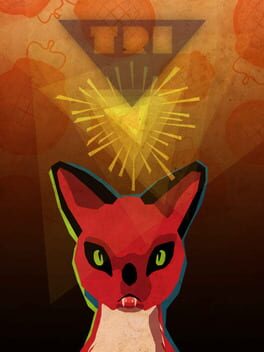
Build triangular platforms to solve mind‑bending puzzles in a mystical world.
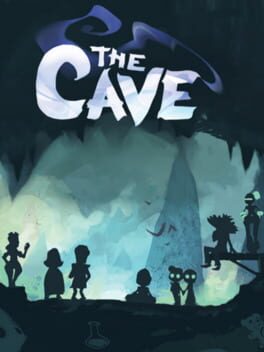
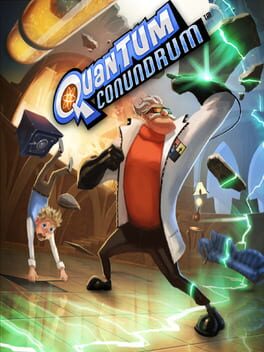
Alternatives to Pid
View all →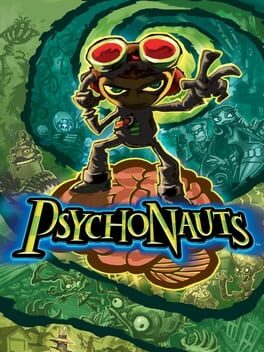
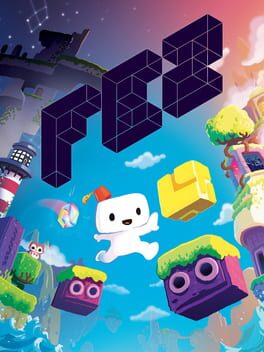
The Verdict
AI-generated from listing dataChoose About Love, Hate and the other ones for a solo, quirky dual‑character puzzle adventure; choose Pid for a visually striking platformer with co‑op and tougher challenges.
Key differences
- •Dual‑character puzzle mechanics vs. beam‑propelled platforming
- •Single‑player only (A) vs. single‑player plus co‑op multiplayer (B)
- •Simple, dated graphics (A) vs. stunning, critically praised art (B)
- •Limited replayability after 60 levels (A) vs. added replay value from co‑op and story (B)
- •No noted difficulty curve (A) vs. challenging difficulty that may frustrate casual players (B)
Pricing & value
A price not specified; B costs $9.99, so direct price comparison unavailable.
Gameplay & fun factor
A offers innovative dual‑character puzzles that are its core unique selling point.
Platform availability
A runs on Linux, Android, PC, iOS, and Mac; B platform details not provided.
Multiplayer / co‑op
A is single‑player only; B supports single‑player, multiplayer, and co‑op modes.
Content & replayability
B adds co‑op and a larger story, giving more replay incentive than A's 60 levels.
Difficulty & accessibility
A has no noted difficulty issues; B’s steep curve may deter casual players.
Graphics & performance
B praised for stunning artistic presentation; A described as simple and potentially dated.
Choose About Love, Hate and the other ones if…
Solo puzzle lovers who enjoy quirky narratives and unique dual‑character mechanics.
Choose Pid if…
Players seeking high‑quality visuals, co‑op play, and are comfortable with a tougher difficulty.
Common questions
What is the price of each game?
A's price is not specified; B costs $9.99.
Does either game support multiplayer?
A is single‑player only; B offers single‑player, multiplayer, and co‑op modes.
Which game has better graphics?
B is noted for stunning, critically praised art; A’s graphics are described as simple and possibly dated.