Torment: Tides of Numenera vs Dragon Age: Inquisition
Side-by-side comparison of features, pricing, ratings, and alternatives.
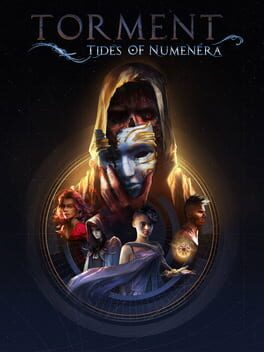
Torment: Tides of Numenera is a rich, story-driven role-playing game set in Monte Cook's science-fantasy universe of Numenera, known as the Ninth World. Players take on the role of the Last Castoff, the final mortal vessel of an ancient man who achieved immortality through technological relics. Pursued by the deadly Angel of Entropy, you must explore medieval-like settlements built atop the ruins of countless fallen civilizations, uncovering mysterious artifacts and grappling with deep philosophical questions. Building upon the legacy of the 1999 classic Planescape: Torment, the game focuses heavily on rich narrative exploration, complex character choices, and profound personal themes. As you journey through the Ninth World, you will interact with fellow castoffs, utilize strange devices called Meres to experience alternate dimensions, and leave behind a lasting Legacy that shapes the fate of the world.
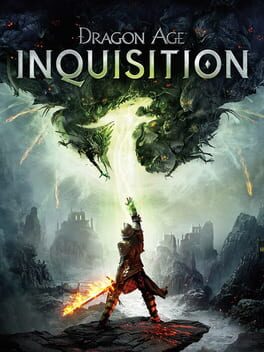
Dragon Age: Inquisition is an epic role-playing game set on the sprawling continent of Thedas, where mages and templars clash as dragons darken the sky. As the leader of the Inquisition, you must make critical choices that permanently alter the course of history while rallying allies against chaos. Customize your hero from four distinct races and three specialized classes, exploring vast regions across Ferelden and Orlais. Engage in tactical combat, build your influence, and forge deep relationships and romances as you uncover the truth behind a mysterious cataclysmic event.
- Exceptionally rich and deep storytelling
- Fascinating and original Ninth World setting
- Meaningful choices with lasting consequences
- Strong thematic successor to Planescape: Torment
- Immersive and reactive choice-driven narrative
- Vast and visually stunning open-world environments
- Deep character customization and party progression
- Engaging tactical combat with multiple class specializations
- Heavy reading and text-dense interface
- Combat is secondary to dialogue and exploration
- Pacing can feel slow for action-oriented players
- Some side quests can feel repetitive or fetch-quest heavy
- Complex tactical camera controls can occasionally feel awkward on consoles
- Inventory management becomes cumbersome late in the game