



The Legend of Zelda: Ocarina of Time vs The Legend of Zelda: Majora's Mask
Side-by-side comparison of features, pricing, ratings, and alternatives.
The Legend of Zelda: Ocarina of Time transports players to the land of Hyrule, where they guide Link on an epic quest to stop Ganondorf and restore peace. With its groundbreaking 3D world, memorable characters, and iconic music, the game set a new standard for adventure titles. Its innovative time‑travel mechanics, intricate dungeons, and richly detailed environments continue to captivate both new players and longtime fans, cementing its legacy as one of the greatest video games ever made.
Link returns to the mysterious world of Termina, where a looming moon threatens to destroy everything in three days. Using magical masks, he must solve puzzles, battle foes, and uncover the tragic story behind the cursed mask. The game blends eerie atmosphere with classic Zelda exploration, offering a unique blend of urgency and emotional depth that rewards careful planning and curiosity.
- Groundbreaking 3D design for its era
- Engaging time‑travel mechanics
- Memorable music and atmosphere
- Highly replayable with hidden secrets
- Innovative time‑loop gameplay
- Atmospheric and memorable soundtrack
- Deep mask system adds variety
- Rich sidequest content
- Dated graphics by modern standards
- Limited control options on original hardware
- Some puzzles can be obscure without guides
- High difficulty for newcomers
- Some puzzles can feel obtuse
- Limited save points increase frustration
More alternatives & similar tools
Alternatives to The Legend of Zelda: Ocarina of Time
View all →
Classic 2D adventure that defines the action‑puzzle genre
Classic handheld adventure reborn with vibrant colors and new puzzles.
A timeless adventure where a young hero awakens on a mysterious island.
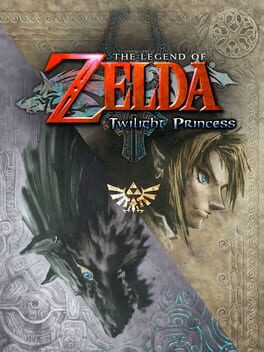
Alternatives to The Legend of Zelda: Majora's Mask
View all →
A timeless adventure that defines 3D action‑puzzle gaming
Set sail on a vibrant ocean adventure in a timeless classic
Relive Link's timeless adventure in stunning 3D on the go
The Verdict
AI-generated from listing dataOcarina of Time is the safer default choice with broader appeal and classic, polished gameplay; Majora's Mask trades that for a darker tone, innovative time‑loop mechanics, and higher difficulty.
Key differences
- •Time mechanics: Ocarina uses linear travel between child/adult; Majora's Mask uses a 3‑day rewind loop.
- •Atmosphere: Ocarina is bright adventure; Majora's Mask is horror‑tinged and more emotionally intense.
- •Difficulty: Majora's Mask is noted as high for newcomers, while Ocarina is more accessible.
- •Content focus: Majora's Mask offers extensive sidequests and mask combos; Ocarina emphasizes core dungeon progression.
- •Critical reception: Ocarina scored 99/100 vs. Majora's 90/100.
Gameplay & fun factor
Ocarina’s balanced combat, puzzles, and iconic time‑travel are broadly praised (99 critic score).
Platform availability
Both are Nintendo titles released for similar hardware generations; platform info not specified.
Price & value
Both priced at $59.99 with one‑time purchase.
Multiplayer / co‑op
Both are single‑player only.
Content & replayability
Majora's Mask offers richer sidequests, mask combos, and a 3‑day loop encouraging experimentation.
Difficulty & accessibility
Ocarina is noted as more accessible; Majora's Mask is high difficulty for newcomers.
Graphics & performance
Both share era‑specific graphics; Ocarina’s are dated but no performance data differentiates them.
Choose The Legend of Zelda: Ocarina of Time if…
Players seeking classic adventure, lower difficulty, and broad appeal.
Choose The Legend of Zelda: Majora's Mask if…
Players who enjoy atmospheric horror, deep sidequests, and challenging time‑loop mechanics.
Common questions
Do both games cost the same?
Yes, each has an MSRP of $59.99.
Which game is easier for new players?
Ocarina of Time is considered more accessible; Majora's Mask is noted as high difficulty for newcomers.
Is there any multiplayer in either title?
Both are single‑player only.