



Sorcerer vs Beyond Zork: The Coconut of Quendor
Side-by-side comparison of features, pricing, ratings, and alternatives.
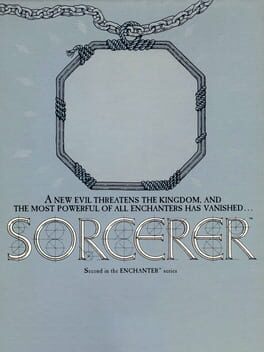
Step into the magical world of Infocom's classic text adventure, where you play as an apprentice enchanter tasked with finding the missing Belboz the Necromancer. Navigate through perilous chambers, uncover dark secrets, and manage your magical spells to survive the forces of darkness. Building upon the legacy of interactive fiction, this title challenges players to carefully parse text commands, solve intricate puzzles, and master spells from your spell book to unravel an epic fantasy mystery.
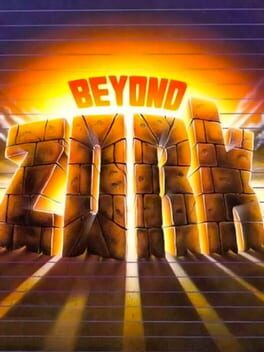
Beyond Zork: The Coconut of Quendor is an interactive fiction computer game written by Brian Moriarty and released by Infocom in 1987. Departing from purely text-based predecessors, it introduces character statistics, levels, RPG combat elements, and an on-screen map. Players explore the Southlands of Quendor to fulfill a quest bestowed by the godlike Implementors. You must retrieve the Coconut of Quendor, an artifact embodying all of Magic, from the clutches of a foul Ur-grue to avert disaster.
- Engaging and deep fantasy narrative
- Classic retro text-adventure charm
- Complex and rewarding spellcasting system
- Rich puzzle design requiring careful thought
- Innovative blend of text adventure and RPG mechanics
- Features an on-screen map for easier navigation
- Engaging lore tied to the broader Zork series
- Challenging puzzles and strategic combat elements
- Steep learning curve for text parser commands
- Lack of graphical interface may deter modern players
- Trial-and-error gameplay can lead to frustrating dead ends
- Dated interface and graphics by modern standards
- High difficulty level can frustrate newcomers
- Requires careful resource and stat management
More alternatives & similar tools
Alternatives to Sorcerer
View all →
Step into the shoes of a novice wizard to defeat an evil warlock in Infocom's classic 1983 text adventure.

Explore the perilous ruins of the Great Underground Empire in this classic interactive fiction text adventure.
Face the ultimate test in the final chapter of the legendary Zork trilogy.
Alternatives to Beyond Zork: The Coconut of Quendor
View all →The Verdict
AI-generated from listing dataBoth are classic Infocom text adventures, but Beyond Zork adds RPG stats and a map for strategic play, while Sorcerer focuses on pure narrative and spell‑casting depth.
Key differences
- •Beyond Zork includes character statistics, leveling, and combat; Sorcerer does not.
- •Beyond Zork provides an on‑screen map; Sorcerer relies solely on text navigation.
- •Sorcerer centers on a spell‑book system and branching narrative; Beyond Zork emphasizes quests from the Implementors.
- •Release dates differ: Sorcerer (1984) is older than Beyond Zork (1987).
- •Both are single‑player and priced as one‑time purchases; no pricing distinction.
Gameplay & fun factor
Beyond Zork blends text adventure with RPG combat and stats, offering more varied mechanics than Sorcerer's pure narrative.
Platform availability
Both are Infocom titles from the same era; platform specifics not provided.
Price & value
Both are one‑time paid games; no price difference indicated.
Multiplayer / co‑op
Both are single‑player only.
Content & replayability
Sorcerer’s branching narrative and spell‑book combos encourage multiple playthroughs.
Difficulty & accessibility
Sorcerer’s steep parser learning curve is offset by no stat management; Beyond Zork’s high difficulty and resource management can frustrate newcomers.
Graphics & performance
Both are text‑only with dated interfaces; no graphical advantage for either.
Choose Sorcerer if…
Players who prefer deep story, spell‑casting, and classic text‑only adventure.
Choose Beyond Zork: The Coconut of Quendor if…
Players who want RPG elements, stats, combat, and map navigation.
Common questions
Do either of these games have multiplayer?
No; both are single‑player only.
Which game includes a visual map?
Beyond Zork includes an on‑screen map; Sorcerer does not.
Is there a significant price difference?
Both are sold as one‑time paid purchases; price is the same.