



Pokémon Emerald Version vs Pokémon Diamond Version
Side-by-side comparison of features, pricing, ratings, and alternatives.
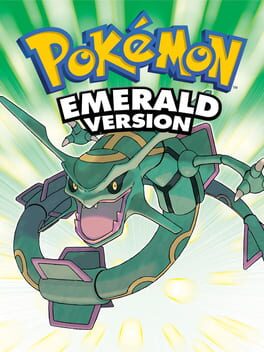
Pokémon Emerald Version is an iconic role-playing adventure that combines elements from both Ruby and Sapphire versions while introducing exciting new features. Players explore the tropical Hoenn region, battle gym leaders, and thwart the evil schemes of Teams Aqua and Magma. This definitive Generation III title adds the thrilling Battle Frontier, animated battle sprites, and expanded storyline elements involving the legendary Pokémon Rayquaza. Experience classic turn-based combat, trade with friends, and prove your mastery as a Pokémon Trainer.
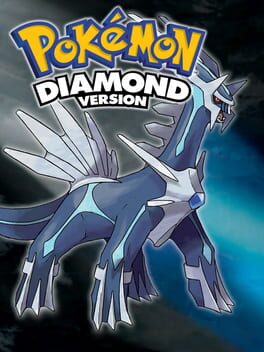
Pokémon Diamond Version is a classic role-playing adventure set in the sprawling Sinnoh region. Players choose a starter Pokémon and set out to catch, train, and battle various creatures while thwarting the nefarious plans of Team Galactic. Featuring dual-screen utilization on the Nintendo DS, this installment introduced global trading and battling via the Nintendo Wi-Fi Connection, dynamic time-of-day mechanics, and the Underground mining minigame for discovering rare items and fossils.
- Includes content from both Ruby and Sapphire with expanded features
- Introduces the highly engaging and challenging Battle Frontier
- Adds animated battle sprites that bring Pokémon to life
- Features iconic legendary encounters and expanded storyline lore
- Engaging and addictive core gameplay loop
- Memorable soundtrack and distinctive region design
- Introduction of online trading and Wi-Fi features
- Great variety of new Pokémon and evolutions
- Requires a Game Boy Advance link cable for trading and multiplayer features
- Graphics and audio are limited by 2004 handheld hardware capabilities
- Some progression paths can require significant grinding to level up your team
- Slow movement speed and transition times compared to later entries
- HM move requirements can crowd out your team's optimal movesets
- Version-exclusive Pokémon require trading to obtain everything
More alternatives & similar tools
Alternatives to Pokémon Emerald Version
View all →
Embark on an epic quest to catch, train, and battle your way to become the ultimate Pokémon Champion.
Embark on an epic adventure through the Hoenn region to become the Pokémon Champion.
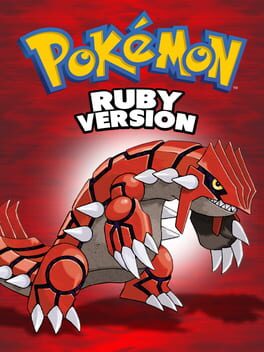
Embark on a classic adventure in the Hoenn region to become the Pokémon Champion.
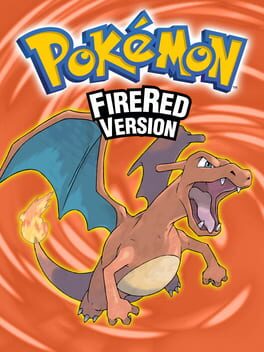
Return to the Kanto region in this definitive reimagining of the classic RPG.
Alternatives to Pokémon Diamond Version
View all →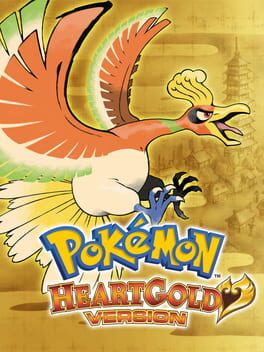
Return to the Johto region in this definitive reimagining of the classic Nintendo DS adventure.
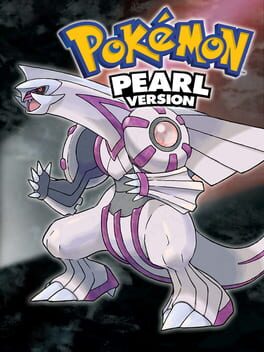
Embark on an epic adventure through the Sinnoh region to catch, train, and battle Pokémon.
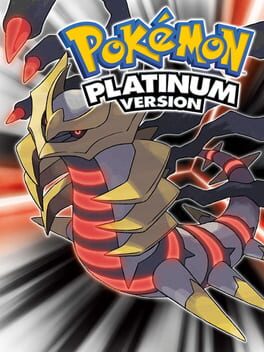
Journey through the Distortion World in the definitive Sinnoh adventure.
Embark on an epic adventure through the Hoenn region to become the Pokémon Champion.
The Verdict
AI-generated from listing dataBoth are solid, single‑purchase RPGs, but Diamond offers newer online features and a larger region, while Emerald provides the Battle Frontier and animated sprites at the cost of older hardware limitations.
Key differences
- •Diamond includes Nintendo Wi‑Fi online trading/battles; Emerald relies on a physical link cable.
- •Emerald adds the Battle Frontier with seven challenge facilities; Diamond does not.
- •Diamond’s Sinnoh region has a day‑night cycle and underground mining; Emerald’s Hoenn lacks these mechanics.
- •Emerald features animated battle sprites; Diamond uses static sprites.
- •Critic scores differ: Diamond 83/100 vs. Emerald 60/100.
Gameplay & fun factor
Diamond’s deep elemental type system, day‑night cycle, and underground base add variety beyond Emerald’s core loop.
Platform availability
Emerald runs on Game Boy Advance, an older but widely owned handheld; Diamond requires Nintendo DS hardware.
Price & value
Both priced identically at $39.99 with one‑time purchase.
Multiplayer / co‑op
Diamond supports global Wi‑Fi trading/battles, whereas Emerald needs a physical link cable.
Content & replayability
Emerald’s Battle Frontier adds extensive post‑game challenges not present in Diamond.
Difficulty & accessibility
Diamond’s slower movement and HM constraints can hinder pacing, but overall difficulty is lower than Emerald’s grinding requirements.
Graphics & performance
Emerald introduces animated battle sprites, a visual upgrade over Diamond’s static sprites despite older hardware.
Choose Pokémon Emerald Version if…
Players who value post‑game challenges, animated battles, and own a Game Boy Advance.
Choose Pokémon Diamond Version if…
Players who want online trading, a larger modern region, and richer day‑night mechanics.
Common questions
Do I need extra hardware for multiplayer?
Diamond uses Nintendo Wi‑Fi (no extra hardware); Emerald requires a Game Boy Advance link cable.
Which game has more post‑game content?
Emerald includes the Battle Frontier, offering seven additional challenge facilities.
Are the games priced differently?
Both have the same MSRP of $39.99.